Sprout escapes the egg farm and finds an abandoned egg, which she hatches and raises as her own. She is reviled by the yard animals, endures the wild, and learns that her duckling must eventually fly away with his own kind. The story's emotional peak is her acceptance of that separation, and of the sacrifices of love, including the risk of her own death in the cycle of nature. The ending reads as bittersweet: her wish to be a mother is fulfilled, and her devotion earns her a freedom that is chosen and not merely escaped. Note that this analysis is written from my understanding of the story and I could not retain detailed plot sources, so fine plot details may differ from the film.
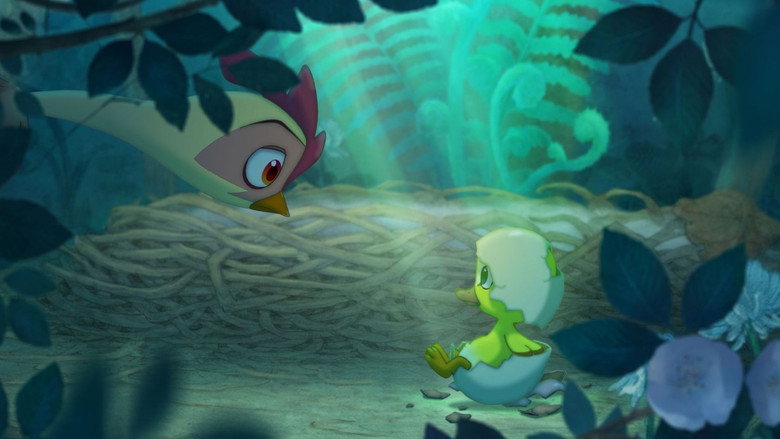
A tender animated odyssey in watercolor-soft greens, where a caged hen's longing for motherhood becomes a leap into wilderness. Wistful, heartfelt and fierce, like a single egg glowing against a vast, indifferent sky.
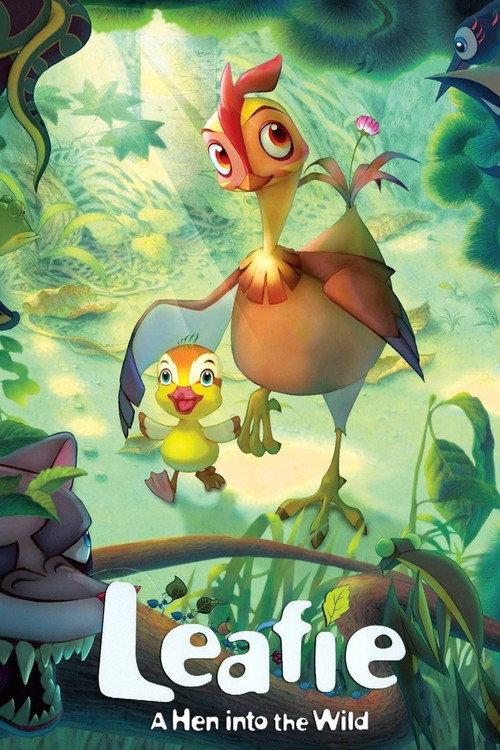
Leafie, a Hen Into the Wild
마당을 나온 암탉
"A story of love, sacrifice and courage"
28 July 2011
South Korea
93 min
7.8
(147)
Director: Oh Sung-yoon
Cast: Moon So-ri, Yoo Seung-ho, Choi Min-sik, Park Cheol-min, Kim Sang-hyun
Drama
Animation
Family
Adventure
Freedom and its cost
Motherhood and chosen family
Belonging and exclusion
Nature, survival and the cycle of life
Sacrifice
Box Office:
$13,131,714
Leafie, a Hen Into the Wild — Ending Explained
⚠️ Spoiler Analysis
Alternative Interpretations
Some viewers read the story as an allegory of social outsiders and of mothers who give up themselves for their children. Others read it as a critique of industrial farming and a plea for animal dignity. A third reading treats it as a fable about the way every parent must let a child go.
Explore More About This Movie
Dive deeper into specific aspects of the movie with our detailed analysis pages