Skip to content
Let Us Prey
A storm-lashed Scottish siege horror in which a silent stranger walks out of the crashing sea and into a small-town police station, turning its cells into a confessional lit by hellfire.
Let Us Prey
Let Us Prey

"Darkness Shall Rise"

17 April 2014 Ireland 92 min 5.7 (377)

Director: Brian O'Malley

Cast: Liam Cunningham, Niall Greig Fulton, Pollyanna McIntosh, Douglas Russell, Bryan Larkin

Thriller Horror Sin and Divine Judgment Corruption of Authority Hidden Pasts and Buried Secrets Witnessing vs. Causing Evil Isolation and Siege

Let Us Prey — Ending Explained

⚠️ Spoiler Analysis

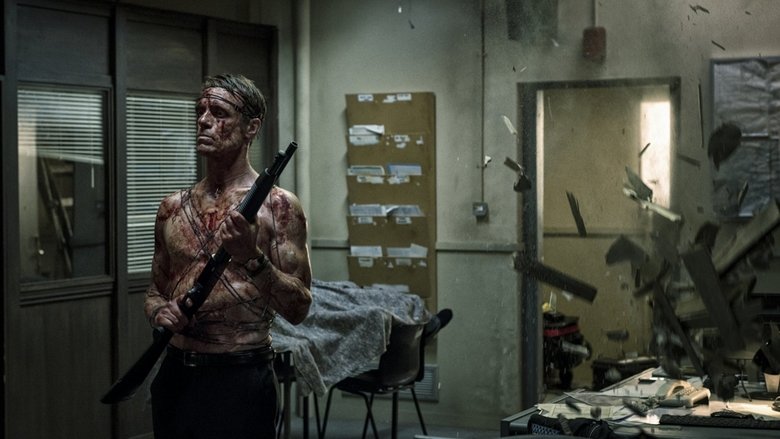
The pedestrian Caesar hits is no ordinary drifter. Six is a supernatural being who, over one night in the station, knows and exposes the secrets of everyone there. His verdicts are biblical: some are condemned as adulterers and betrayers who dare to weigh justice in their own hands, others as a hypocrite, a pervert, or someone cowardly and vicious. Their punishment is Hell. The officers turn out to be as guilty as the prisoners, so the police station becomes a judgment hall where the enforcers of the law face judgment themselves.

Rachel, the rookie constable, carries her own dark history, and so she stands apart from the others. The film treats her as the moral center who has to face Six rather than simply be condemned by him.

Looking back, the opening image of Six appearing out of the sea, his name, and the "pale horse" joke all mark him as an apocalyptic figure. The film deliberately never says whether he is the Devil, Death or God. Details of the final confrontation were not covered by the sources consulted.

Alternative Interpretations

Six as the Devil: the judgment, the hellfire, the supernatural powers and the number six all point to a satanic figure collecting souls.

Six as Death: the "pale horse" line and his claim to be only a witness fit the Horseman of Death, who acts impartially rather than out of malice.

Six as God or an avenging angel: some critics suggest he could be divine justice itself. He punishes only the guilty, and says he sees things that "would make angels weep."

Six as a mirror: a more psychological reading treats him as a catalyst who creates nothing and only lets people's own sins destroy them. One critic argues the film deliberately never explains him, "because who he is, that's not important."

Explore More About This Movie

Dive deeper into specific aspects of the movie with our detailed analysis pages

Similar Movies