Skip to content
The Conjuring
Steeped in 1970s gothic dread and domestic intimacy, this supernatural thriller channels gut-wrenching terror into an emotional crucible where maternal devotion and enduring faith push back against a devouring, unseen rot.
The Conjuring
The Conjuring

"Based on the true case files of the Warrens."

18 July 2013 United States of America 112 min 7.5 (12,950)

Director: James Wan

Cast: Vera Farmiga, Patrick Wilson, Lili Taylor, Ron Livingston, Hayley McFarland

Thriller Horror Maternal Bond vs. Demonic Subversion Faith, Theology, and Spiritual Warfare Sanctity of the Home and Domestic Intrusion Partnership, Empathy, and the Toll of Evil
Budget: $13,000,000
Box Office: $321,293,998

The Conjuring — Ending Explained

⚠️ Spoiler Analysis

The narrative unfolds through three defined demonological phases: Infestation, Oppression, and Possession.

1. Infestation: The Perrons unwittingly trigger dormant entities upon discovering the boarded-up cellar. Spirits torment the daughters by pulling their legs at night, slamming doors, and communicating through the spirit music box.

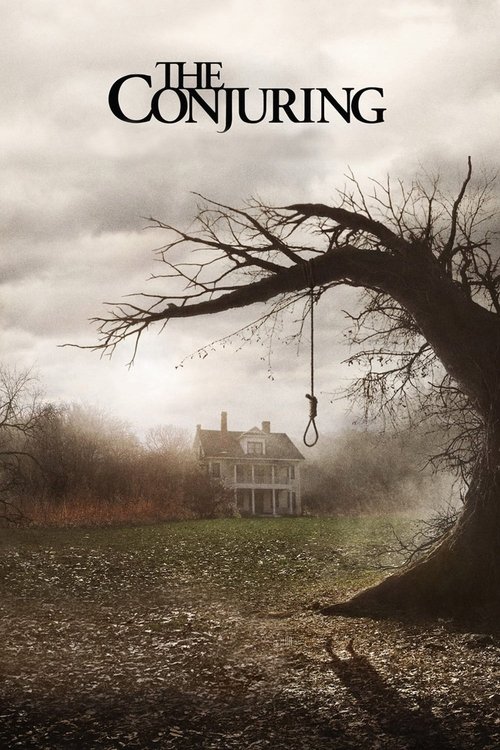
2. Oppression: The primary entity targets Carolyn as the emotional core of the household, inflicting foul smells, bruising, and psychological isolation. Lorraine uncovers historical records showing that in 1863, the land belonged to Bathsheba Sherman—a relative of Mary Towne Eastey (hanged in the Salem witch trials). Bathsheba sacrificed her seven-day-old infant to Satan and hanged herself from the yard's large tree, placing a curse on anyone who would take her land.

3. Possession & Climax: After the Warrens document evidence for the Church, Carolyn becomes fully possessed by Bathsheba. She abducts her daughters Christine and April and returns to the farmhouse cellar with shears to complete the sacrifice. Because Catholic Church authorization for an exorcism will take too long, Ed performs an emergency exorcism himself while Roger, Lorraine, and assistants physically restrain Carolyn.

4. Resolution: Bathsheba forces Carolyn to break free and target young April under the floorboards. Lorraine appeals directly to Carolyn’s maternal love, reminding her of a family day at the beach. Anchored by the memory, Carolyn regains her agency, rejects the entity, and allows Ed to finish the exorcism rite, banishing Bathsheba back to Hell.

Alternative Interpretations

The film can be analyzed through several distinct thematic frameworks:

  • Socio-Economic Stress and Maternal Psychosis: A secular, psychological reading interprets the haunting as an allegory for severe postpartum stress and economic desperation. Sinking their life savings into a dilapidated estate, the mother's isolation, exhaustion, physical bruising, and mental break manifest as demonic delusions targeting the children she struggles to support.
  • Conservative Christian Moral Allegory: Theological critics view the film as an affirmation of traditional Christian values, where the nuclear family and devout faith in the Church serve as humanity's primary shield against moral corruption and chaos.
  • Feminist Witch-Hunt Recontextualization: Bathsheba Sherman's backstory reflects historical misogyny and colonial Salem paranoia, where the figure of the "witch" represents the patriarchal demonization of independent or ostracized women turned into a monster preying upon domesticity.

Explore More About This Movie

Dive deeper into specific aspects of the movie with our detailed analysis pages

Similar Movies