
Skip to content
Love
An intoxicating, neon-drenched erotic melodrama drowning in suffocating nostalgia; a tactile journey of grief and desire where bruised memories flicker like dying halogen bulbs in a rain-soaked Parisian apartment.
Love
Love
15 July 2015 Belgium 134 min 6.5 (2,704)

Director: Gaspar Noé

Cast: Karl Glusman, Aomi Muyock, Klara Kristin, Ugo Fox, Juan Saavedra

Drama Romance Eros vs. Domesticity The Fragmentary Nature of Memory and Nostalgia Possession, Ego, and Hypocrisy Self-Destruction and Artistic Pretension
Budget: $3,000,000
Box Office: $249,083

Love — Ending Explained

⚠️ Spoiler Analysis

The film’s non-linear structure is anchored by Murphy’s dreary January 1st morning with Omi and his crying child. Nora’s phone call establishes the haunting premise: Electra has vanished and may have committed suicide.

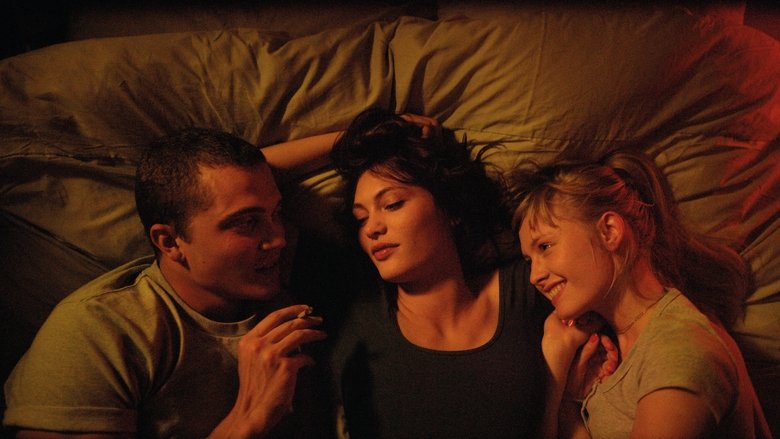
Flashbacks reveal how Murphy and Electra began as soulmates who pushed the boundaries of their intimacy. Seeking new thrills, Electra invites their neighbor Omi into a threesome. However, Murphy secretly sleeps with Omi behind Electra's back without protection, resulting in Omi's pregnancy. When Electra learns of this betrayal, their relationship violently collapses. Electra descends into heavy drug use and despair, cutting Murphy out of her life entirely. Murphy is forced by circumstance to stay with Omi to raise the baby, entering a loveless marriage.

In the film's final act, Murphy lies in the bathtub with baby Gaspar, weeping uncontrollably under the weight of his guilt and unchangeable reality. He hallucinates Electra embracing him in the bath, whispering declarations of love. The screen cuts to black on the title card "THE END," sealing Murphy in an eternal cycle of unfulfilled longing and mourning a love that was destroyed by his own vanity.

Alternative Interpretations

Different ways to interpret the narrative include:

  • The Drug-Induced Hallucination / Ayahuasca Theory: Certain readings suggest that after Murphy ingests psychedelics, subsequent fragmented memories—and even parts of his present domestic despair—are dream-distorted mental projections processing profound guilt rather than accurate representations of history.
  • Electra as a Phantom / Suicide Metaphor: Nora's initial phone call strongly hints that Electra may already be dead. Throughout the film, Electra functions not just as an ex-lover, but as a ghost of Murphy’s lost youth, creative drive, and untainted passion.
  • A Solely Solipsistic Male Projection: Viewed strictly through Murphy's unreliable narration, the film can be read as a critique of male artistic self-absorption, where women are remembered solely in relation to his own sexual validation and creative ambitions.

Explore More About This Movie

Dive deeper into specific aspects of the movie with our detailed analysis pages

Similar Movies