Skip to content
Masters of the Universe
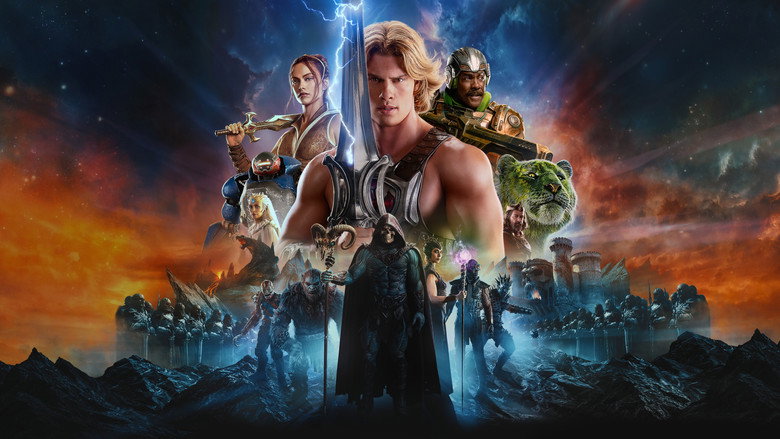
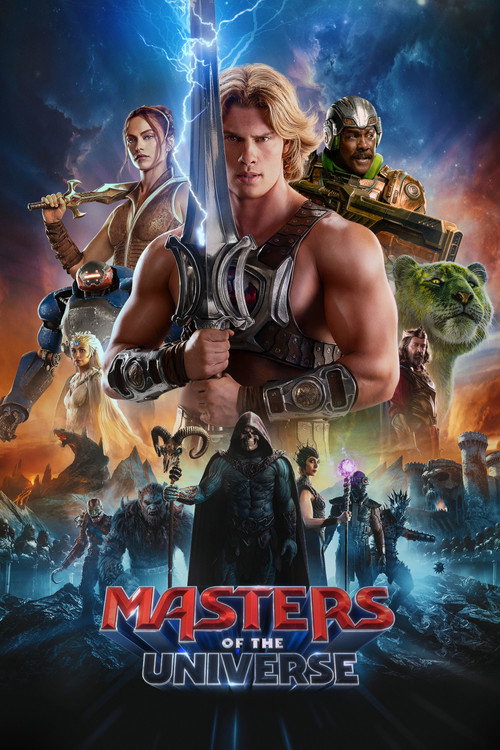
A vibrant, self-aware sci-fi fantasy that pulsates with neon-drenched nostalgia and earnest heart. It bridges childhood innocence with modern masculinity, turning a plastic universe into a kaleidoscopic odyssey.
Masters of the Universe

"Legends aren't born, they're forged."

03 June 2026 United States of America 141 min 7.2 (556)

Director: Travis Knight

Cast: Nicholas Galitzine, Camila Mendes, Idris Elba, Jared Leto, Alison Brie

Fantasy Action Science Fiction The Evolution of Masculinity Destiny and Birthright The Duality of Magic and Science Nostalgia and Identity
Budget: $200,000,000
Box Office: $113,474,410

Masters of the Universe — Ending Explained

⚠️ Spoiler Analysis

The film's climax features a monumental, heavily stylized duel between He-Man and Skeletor within the confines of Castle Grayskull. A major, tragic twist occurs during this confrontation when King Randor (Adam's father) is killed, raising the emotional stakes and forcing Adam to fully realize the burden of leadership. Skeletor is ultimately defeated, but the film leaves his absolute destruction ambiguous.

The post-credits scenes radically expand the universe. A mid-credits scene features Queen Marlena and Duncan discussing Marlena's other lost child, Adora. The camera then cuts to another planet where a blonde warrior is approached and called Force Captain Adora, to which she replies she is no longer that person, revealing her as She-Ra and holding the Sword of Protection. Finally, the ultimate post-credits scene shows Evil-Lyn surviving the battle, picking up Skeletor's discarded skull, and walking away with it into the shadows as his iconic laugh echoes—setting her up as the true mastermind or the vessel for his resurrection in a potential sequel.

Alternative Interpretations

A popular alternative reading of the film suggests that the entire narrative is a metaphorical escapist fantasy of a disillusioned millennial. Because Adam is shown working a soul-crushing HR job on Earth, some critics argue that Eternia represents his inner psychological landscape—a colorful coping mechanism to deal with the mundane realities of adult life and modern corporate culture.

Another interpretation views the film as a direct critique of the 1980s fitness boom. By contrasting the hulking, unrealistic physiques of the original toys with Nicholas Galitzine's leaner, more relatable frame (and contrasting him with Dolph Lundgren's cameo), the film can be read as a commentary on body dysmorphia and the toxic standards of male beauty perpetuated by the very franchise it adapts.

Explore More About This Movie

Dive deeper into specific aspects of the movie with our detailed analysis pages

Similar Movies