Spoilers. The main twist concerns Byung-su's family. Eun-hee is not his biological daughter. He took her from one of his victims and raised her as his own. This changes his protectiveness: his fatherhood grew directly out of his crimes, and the \"prose\" of raising a child was built on the \"poetry\" of murder.
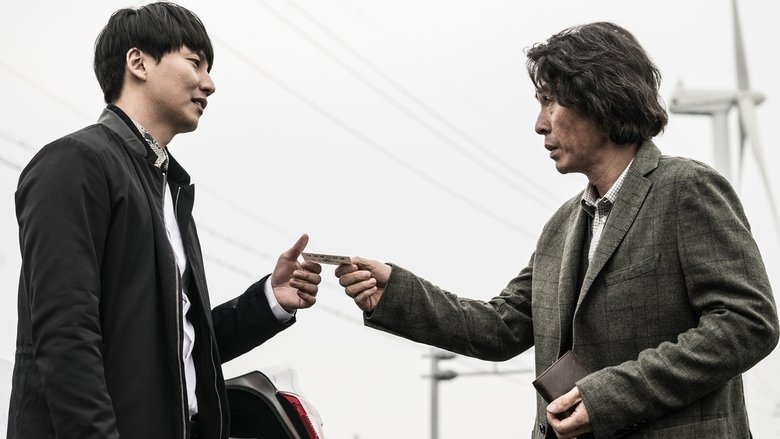
As the conflict with Tae-ju grows, the film keeps questioning whether Byung-su's suspicions are real or produced by his dementia, which erases and rewrites what he remembers. The climax turns into a violent confrontation between the two men, a long fight scene that some critics found melodramatic. The film does not give a fully tidy explanation. Reviewers note that it lets viewers decide whether Tae-ju was truly a killer or whether Byung-su's failing mind turned an ordinary man into his own double.
Looking back, the recorder, the notes and Byung-su's narration all turn out to be unreliable evidence. The film's structure, like its hero, cannot be completely trusted. The director's cut runs about ten minutes longer (128 versus 118 minutes).