Skip to content
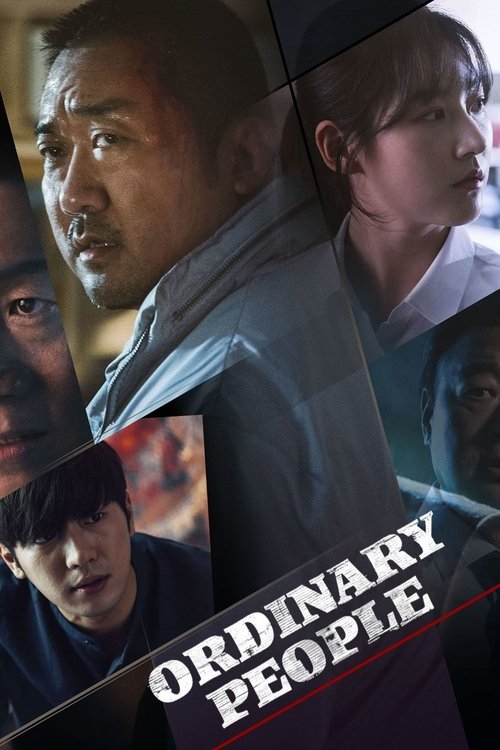
Ordinary People
A suffocating rural mystery where righteous fury fractures a community's deafening silence, painting an atmospheric portrait of a solitary brute force hammering through collective guilt and hidden predatory rot.
Ordinary People
Ordinary People

동네사람들

"Do not trust anyone."

07 November 2018 South Korea 99 min 7.6 (115)

Director: Im Jin-soon

Cast: Don Lee, Kim Sae-ron, Jang Kwang, Lee Sang-yeob, Shin Se-hwi

Crime Action Thriller Mystery Bystander Apathy & Collective Silence Abuse of Power & Institutional Corruption Protection of Innocence & Adult Responsibility Uncompromising Friendship vs. Cynicism Vigilante Justice & Physical Retribution
Box Office: $3,388,675

Ordinary People — Ending Explained

⚠️ Spoiler Analysis

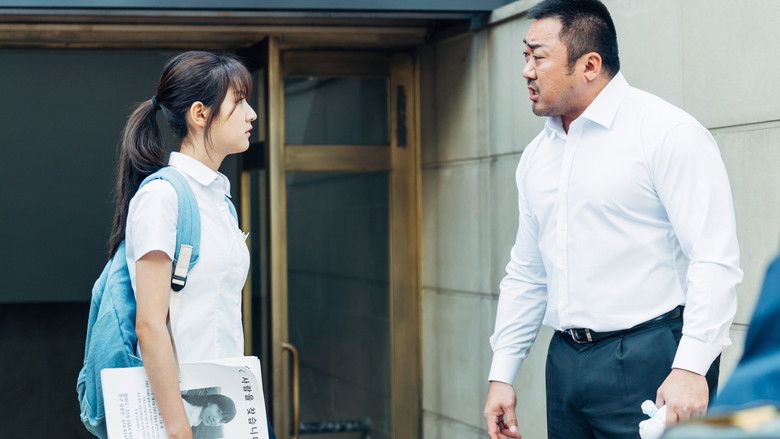
As Gi-cheol and Yoo-jin investigate Soo-yeon's disappearance, they uncover that the beloved art teacher Kim Ji-sung had an illicit, predatory relationship with Soo-yeon and maintained hidden camera feeds. Soo-yeon had discovered incriminating evidence connecting Ji-sung and his father, school board chairman and mayoral candidate Kim Ki-tae, to high-level municipal corruption and exploitation linked to a local nightlife establishment managed by mobster Byung-doo.

When Soo-yeon threatened exposure, she was abducted and murdered to protect the chairman's political ambitions. Yoo-jin is subsequently kidnapped when she gets too close to the truth. Gi-cheol storms the villains' compound, fighting his way through waves of thugs and corrupt associates to rescue Yoo-jin. In the climax, the systemic cover-up is violently dismantled, the corrupt chairman and predatory teacher are exposed and handed over to justice, and Gi-cheol fulfills his role as a true protector.

Alternative Interpretations

The Societal Indictment Reading: The village serves as a microcosm of South Korean societal power structures. The title Ordinary People is interpreted cynically: it is not monsters who create dystopias, but normal, everyday citizens choosing silence out of self-preservation and social inertia.

The Intergenerational Contract Reading: The film can be viewed as an allegory of the broken social contract between the older generation (the corrupt school board, police, and complicit townspeople) and the youth, where Gi-cheol represents the overdue intervention of an adult who takes genuine moral accountability.

Explore More About This Movie

Dive deeper into specific aspects of the movie with our detailed analysis pages

Similar Movies