Skip to content
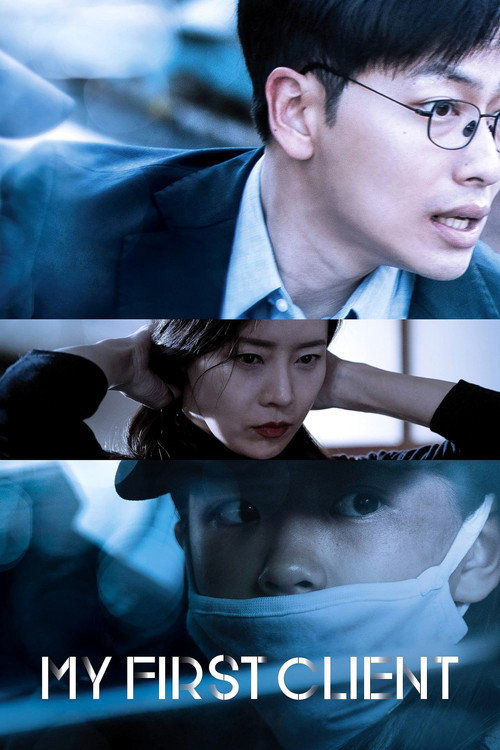
My First Client
A harrowing courtroom drama shadowed by the chill of institutional neglect; grief and quiet fury gather around a small girl whose silence is louder than any verdict, like a candle guarded in a cold, blue-lit hall.
My First Client

My First Client

어린 의뢰인

"The hideous truth concealed. i should correct it."

22 May 2019 South Korea 114 min 8.5 (105)

Director: Jang Kyu-sung

Cast: Lee Dong-hwi, Yu Seon, Choi Myeong-bin, Lee Joo-won, Koh Soo-hee

Drama The bystander effect Child abuse and the failure of protection Ambition versus conscience Sibling loyalty Truth and justice

Overview

My First Client (original title Eorin uiroein, 2019) is a Korean drama directed by Jang Kyu-sung, who co-wrote it with Min Kyung-eun. It follows Jung-yeob, an ambitious young lawyer. He struggles to find work in Seoul, then takes a post at a child welfare center in his hometown.

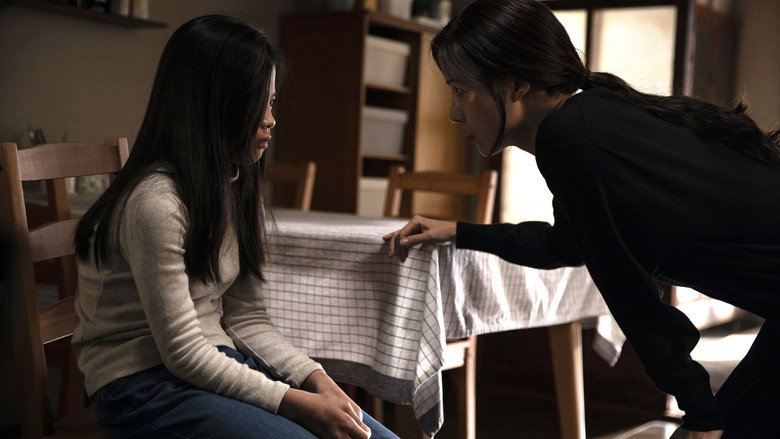
There he meets Da-bin, a 10-year-old girl who reports abuse by her stepmother, Ji-sook. Jung-yeob can see what is happening to Da-bin and her younger brother, but he feels unable to act. He leaves for a job at a Seoul law firm and does not say goodbye.

Later, terrible news reaches him, and Da-bin becomes his first real client. The film is based on a true story. It works as a legal drama and as a study of how adults and institutions fail children who are asking for help.

Core Meaning

The film argues that child abuse persists because of bystanders as much as abusers. Good people who see the signs and decide it is not their business, or not their career, share the guilt. Jung-yeob's arc is a reckoning with his own convenient indifference.

It is also a call for social and legal awareness. Reviewers note that it draws attention to weaknesses in how the law protects children, and that the director felt a responsibility to raise awareness. Its weight comes from the true events behind it.

Thematic DNA

The bystander effect 30%
Child abuse and the failure of protection 30%
Ambition versus conscience 20%
Sibling loyalty 12%
Truth and justice 8%

The bystander effect

Jung-yeob, and by extension the neighbours and institutions around the children, sees the abuse and chooses to look away. The film turns this passivity into its central moral problem.

Child abuse and the failure of protection

The violence done to the two siblings is shown unflinchingly. The film questions whether the law and the child-welfare system can protect children in practice.

Ambition versus conscience

Jung-yeob wants a successful career at a Seoul firm and takes the easy route. His choice sets success against responsibility.

Sibling loyalty

The siblings' determination to stay united under cruelty is the film's emotional core, and it shows a child's capacity for sacrifice.

Truth and justice

The courtroom plot asks whether legal truth can capture a child's real experience, and who speaks for those who cannot.

Character Analysis

Jung-yeob

Lee Dong-hwi

Archetype: Flawed hero Key Trait: Guilt-driven redemption

Motivation

First career success, then atonement.

Character Arc

He begins as a self-interested young lawyer who abandons the children. He ends by fighting for Da-bin, driven by guilt.

Ji-sook

Yu Seon

Archetype: Villain Key Trait: Chilling coldness

Motivation

Control and self-preservation.

Character Arc

The abusive stepmother. Her behaviour shows the cold cruelty hidden behind a domestic facade.

All 3 characters and cast

Symbols & Motifs

Cold blue tones of the law firm

Meaning:

Institutional coldness and the absence of a human element.

Context:

Scenes at the firm Jung-yeob wants to join, starting with the recruitment scene, are tinted blue, according to one reviewer.

The siblings' bond

Meaning:

Innocence and the only refuge available to the children.

Context:

The two children hold together through repeated abuse. Reviewers single out this determination.

Jung-yeob's departure without goodbye

Meaning:

Moral abdication: the choice to leave rather than act.

Context:

He accepts the Seoul job and leaves the children behind unannounced.

Philosophical Questions

What responsibility do bystanders bear for harm they could have prevented?

Jung-yeob knows about the abuse and leaves anyway. The film asks whether knowledge creates a moral duty.

Can law deliver justice for children?

The courtroom story tests whether legal procedure can recognise a child's truth, particularly when she is protecting someone.

How It Ends

Alternative Interpretations

One reading sees Jung-yeob as a stand-in for the audience, whose guilt is meant to be shared. Another sees the film as an indictment of the legal profession's careerism. Some viewers see its commercial devices as softening the horror, while others find them necessary to reach a wide audience.

Full ending explanation

Cultural Impact

The film is based on a real case, in which a woman killed her young stepdaughter and pressured the girl's older sister into claiming responsibility. It is regarded as a drama that brings awareness to child abuse and to problems in the law. Reviewers also call it a Korean masterpiece on the subject, though some find it melodramatic.

Audience Reception

Viewers praise the child actors' performances, the emotional impact and the film's role in raising awareness. IMDb shows 7.4/10, and MyDramaList reviewers rate it highly. Criticism centres on over-dramatic touches, commercial-feeling elements and a lack of plot twists. Many warn that the content is graphic and hard to watch. The overall verdict is a harrowing but worthwhile film.

Interesting Facts

  • The film runs 1h 54m and was released on May 22, 2019.
  • It was written by director Jang Kyu-sung with Min Kyung-eun.
  • IMDb lists worldwide box office of about $1.4 million.
  • One reviewer says the director felt it was unlike his other projects, because he felt a responsibility to raise awareness of the issue.

Frequently Asked Questions

Explore More About This Movie

Dive deeper into specific aspects of the movie with our detailed analysis pages

Comments (0)

Leave a comment

No comments yet. Be the first to share your thoughts!

Similar Movies