Skip to content
Natsume's Book of Friends
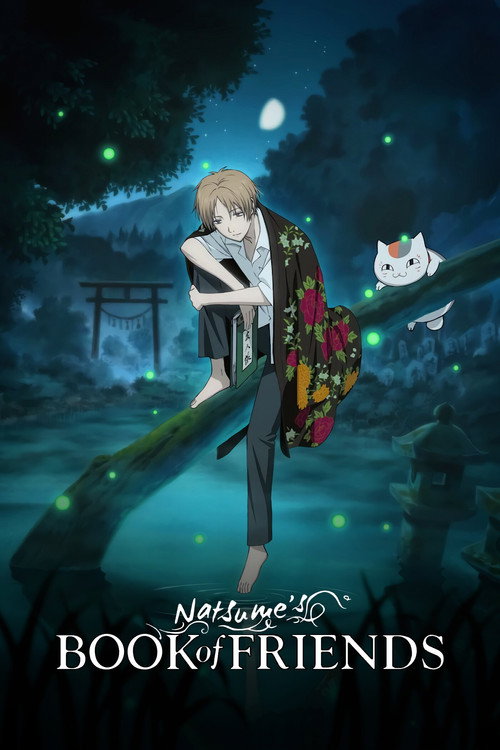
In a misty, rural world where spirit realms bleed into human lives, tender melancholy yields to quiet warmth as a gentle boy returns stolen names like drifting autumn leaves.
Natsume's Book of Friends

Natsume's Book of Friends

夏目友人帳

08 July 2008 — 24 December 2024 Japan 7 season 86 episode Ended 8.2 (107)

Cast: Takashi Matsuyama, Hiroshi Shimozaki, Sanae Kobayashi, Hiroshi Kamiya, Kazuhiko Inoue

Animation Sci-Fi & Fantasy Loneliness, Belonging, and Healing from Trauma Impermanence (Mono no Aware) and Fleeting Encounters Kindness and Empathy as Strength, Not Weakness Dual Identity and Living Between Two Worlds Generational Legacy and Rewriting the Past

Overview

Natsume's Book of Friends (Natsume Yūjin-chō) follows Takashi Natsume, an orphaned high school boy who has been cursed—and blessed—with the rare ability to see yōkai (spirits). Because of his odd behavior and claims of seeing monsters, Natsume was passed around among reluctant relatives throughout his childhood, suffering rejection, isolation, and trauma. His life changes dramatically when he moves to a quiet countryside town to live with the Fujiwaras—a kind, childless middle-aged couple—and inherits a mysterious ledger known as the "Book of Friends" (Yūjin-chō) from his deceased grandmother, Reiko Natsume.

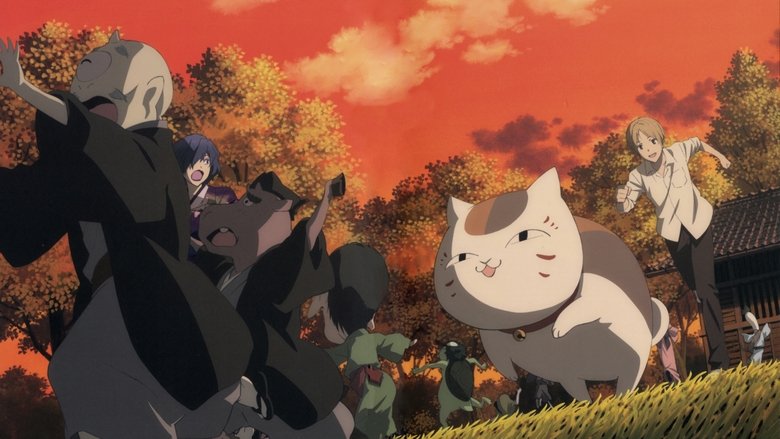
The Book of Friends contains the names of spirits whom Reiko defeated in games and bound to her will. Possessing the book gives power over all spirits listed within, making Natsume a target for malicious yōkai wanting power and peaceful ones seeking their freedom. Joined by Madara—an ancient, powerful spirit beast who takes the form of a chubby, sarcastic lucky cat named "Nyanko-sensei"—Natsume decides not to dominate these spirits, but to return their names one by one while keeping his bodyguard paid with the promise of inheriting the book upon Natsume's death.

Across its seven seasons, the series presents an evolving narrative arc centered on healing, trust, and belonging. Rather than focusing on high-stakes battles, the show explores how Natsume gradually opens his guarded heart. He learns to trust his loving foster parents, forms genuine human friendships with classmates, and builds bridges between the human world and the unseen spirit realm.


Core Meaning

The core meaning of Natsume's Book of Friends revolves around the transformative power of empathy, communication, and vulnerability in overcoming trauma and isolation. Through grandmother Reiko, the series shows what happens when rejection causes a person to close themselves off: Reiko used her spiritual power to force yōkai into servitude out of loneliness, leaving behind a legacy of coercion. Natsume breaks this cycle of trauma by choosing generosity and liberation, releasing names rather than controlling others.

The series conveys that true connection requires risk—opening one's heart despite the threat of hurt or the sadness of inevitable farewells. It argues that humans and non-humans, despite their vast differences in life spans and perceptions, share the same fundamental desire to love, be remembered, and belong.

Thematic DNA

Loneliness, Belonging, and Healing from Trauma 30%
Impermanence (Mono no Aware) and Fleeting Encounters 25%
Kindness and Empathy as Strength, Not Weakness 20%
Dual Identity and Living Between Two Worlds 15%
Generational Legacy and Rewriting the Past 10%

Loneliness, Belonging, and Healing from Trauma

Begins with Natsume deeply traumatized by childhood neglect and hyper-vigilant against human closeness. Over seven seasons, his gradual acceptance of the Fujiwara household's love and his schoolmates' friendship demonstrates that healing occurs through small, daily acts of trust.

Impermanence (Mono no Aware) and Fleeting Encounters

Yōkai live for centuries, whereas human lives fade in an instant. The series repeatedly highlights how brief human-spirit encounters alter both lives forever, urging viewers to treasure ephemeral moments before time washes them away.

Kindness and Empathy as Strength, Not Weakness

Contrasts Natsume's gentle approach with professional exorcists (such as the Matoba Clan) who view yōkai as tools or pests. Natsume's willingness to listen and return names proves far more effective at resolving spiritual conflicts than violence.

Dual Identity and Living Between Two Worlds

Natsume constantly navigates the boundary between human society and the supernatural. As the series progresses, he stops viewing his vision as a curse and learns to act as an empathetic mediator between both realms.

Generational Legacy and Rewriting the Past

Natsume uncovers his grandmother Reiko's past piece by piece. By returning the names she took, he transforms her legacy of coercive loneliness into a journey of healing and reconciliation.

Character Analysis

Takashi Natsume

Hiroshi Kamiya

Archetype: Wounded Healer / Hero Key Trait: Boundless, gentle empathy

Motivation

Original: Avoid trouble and keep his vision secret.
Evolved: Protect his friends and foster family while returning spirits' names safely.

Character Arc

Starts guarded, anxious, and deeply isolated; evolves across seasons into a warm, confident young man who embraces both his human home and his spiritual duty.

Madara / "Nyanko-sensei"

Kazuhiko Inoue

Archetype: Cynical Guardian / Mentor Key Trait: Sarcastic exterior masking intense loyalty

Motivation

Original: Acquire the Book of Friends.
Evolved: Ensure Natsume's safety, growth, and happiness.

Character Arc

Begins as a selfish spirit waiting for Natsume to die so he can steal the book; gradually becomes Natsume's fiercely loyal protector and true companion.

All 5 characters and cast

Symbols & Motifs

The Book of Friends (Yūjin-chō)

Meaning:

Symbolizes both ancestral trauma/coercion and liberation. When bound, it represents Reiko's forced ties born of solitude; when Natsume returns a name, it becomes a symbol of respect and closure.

Context:

Inherited by Natsume from his grandmother Reiko, serving as the central artifact that draws spirits to him.

Nyanko-sensei's Dual Forms (Maneki-neko vs. Madara)

Meaning:

The round, silly lucky cat represents cozy domesticity, warmth, and grounded human bonds, while the majestic beast Madara symbolizes untamed spirit nature and protective divine power.

Context:

Used when Madara shifts between his everyday cat form around humans and his majestic beast form during battles or spiritual encounters.

Paper, Name Strips, and Breath

Meaning:

Paper symbolizes the fragile bridge between physical reality and spiritual soul, while breath represents shared life force.

Context:

The ritual of returning names requires Natsume to hold paper between his teeth, clap his hands, and exhale.

Seasonal Countryside Scenery

Meaning:

Used as visual motifs for the flow of time and mono no aware (the sadness of impermanence).

Context:

Snow, cherry blossoms, and autumn leaves shift across seasons to reflect Natsume's emotional warmth expanding over time.

Enchanted Circles (Taki's Circle)

Meaning:

Symbolizes the human desire to glimpse unseen truths and understand those who exist on a different plane.

Context:

Magic circles drawn on the ground that allow normal humans to briefly see spirits inside them.

Memorable Quotes

Aitai hito ga iru. Mō hitori janai.
— Takashi Natsume

Context

Season 3, Episode 4 ("Young Days"), while recalling his lonely childhood and reflecting on the human and spirit friends he now treasures.

Meaning

Defines Natsume's entire arc—moving from crushing isolation to realizing he is surrounded by love.

Daiji na mono o mamoritai, tebanashitakunai to omou kimochi wa, hito daccha yōkai daccha kawaranai n da.
— Takashi Natsume

Context

Season 2, Episode 13 ("Executrix"), during a confrontation regarding human and spirit co-existence.

Meaning

Expresses the show's philosophical core: human and spirit emotions are fundamentally equal.

All 4 quotes

Episode Highlights

The Cat and the Book of Friends

S1E1

Establishes Natsume's power, his meeting with Nyanko-sensei, inheriting the book, and returning the spirit Hishigaki's name.

Significance:

Sets up the series' long-term arc.

The Swallow at the Water Bottom

S1E6

Natsume helps a swallow spirit temporarily regain human form to meet a kind man.

Significance:

Illustrates the deep emotional weight of brief encounters.

Temporary Home

S2E10

Explores Natsume's past in abusive foster homes contrasted with his present life with the Fujiwaras.

Significance:

Marks his realization that he finally has a safe home.

Young Days

S3E4

Focuses on a lonely tree spirit who teased young Natsume just to interact with him.

Significance:

Contains the pivotal "I am no longer alone" quote.

A Place to Return To / Faraway Home

S4E12

Natsume visits his parents' old abandoned house before it is sold.

Significance:

He heals from childhood trauma and embraces the Fujiwara household as his real family.

Touko and Shigeru

S5E10

Widely voted by fans as one of the best episodes, told from foster mother Touko's perspective.

Significance:

Reveals why Touko and Shigeru invited Takashi into their home.

What Matters

S6E11

Natsume reveals the existence of the Book of Friends to Natori.

Significance:

Natori promises to keep his secret, signifying absolute trust between humans and exorcists.

Tell Me Your Name

S7E1

Re-establishes Natsume's ongoing mission after a long real-world hiatus.

Significance:

Deepens his understanding of Reiko's past.

Philosophical Questions

What constitutes true ownership and autonomy over another living being?

Explored through the Book of Friends and Natsume's refusal to use spirits as tools.

Is the joy of human connection worth the inevitable grief of farewells?

Explored through human-spirit bonds doomed by differing lifespans.

Can historical trauma be healed through generosity rather than hostility?

Explored through Natsume's choice to return names vs. Reiko's loneliness and exorcists' violence.

Alternative Interpretations

Metaphor for Neurodiversity and Queerness: Analytical essays (such as those published in AniGay) interpret Natsume's unseen gift as an allegory for growing up queer, neurodivergent, or visibly "different" in a highly conforming society. The yōkai represent hidden subcultures, and Natsume's anxiety stems from fear of rejection for who he is.

Full ending explanation

Cultural Impact

Shinto Animism & Folklife: Rooted in Shinto concepts of yaoyorozu no kami (eight million spirits) and tsukumogami (spirits inhabiting everyday objects). The series frames folklore as a living part of everyday Japanese rural life.

Iyashikei ("Healing") Genre Pillar: Alongside Mushishi and Aria, Natsume's Book of Friends is universally considered a defining masterpiece of the iyashikei genre—anime meant to soothe mental fatigue, promote mindfulness, and evoke gentle emotional reflection.

Critical & Fan Reception: Maintained consistently high scores across all seven seasons (ranging between 8.4 and 8.7/10 on aggregate sites like MyAnimeList). Critics praise its emotional maturity, absence of cheap fan service, and authentic portrayal of recovery from isolation.

Audience Reception

Audiences praise the series for its gentle pacing, poignant storytelling, and soundtrack by Makoto Yoshimori. Viewers frequently note that the show provides emotional comfort (healing) while tackling heavy themes like trauma and grief.

Minor complaints center on its episodic format and slow pacing, which can feel repetitive to audiences expecting fast-paced supernatural action.

Early seasons were viewed as a charming episodic supernatural show. Over seven seasons, as Natsume's character growth accumulated, fans recognized it as a masterclass in long-term character development.

Interesting Facts

  • Seasons 1–4 were produced by Brain's Base before producer Yumi Sato and core staff formed Studio Shuka in 2013 specifically to continue producing Natsume's Book of Friends and Durarara!!.
  • The setting is modeled directly on the Hitoyoshi-Kuma region in Kumamoto Prefecture, author Yuki Midorikawa's hometown, with real locations like Amemiya Shrine and Tengu Bridge animated with precision, sparking active anime tourism.
  • Chief Director Takahiro Omori led the adaptation for over 16 years from Season 1 in 2008 through Season 7 in 2024–2025, preserving the show's artistic vision.
  • Hiroshi Kamiya was cast as Takashi Natsume because Takahiro Omori wanted a subtle, soft-spoken voice that could authentically portray quiet trauma and warmth rather than standard anime hero tropes.
  • Nyanko-sensei became a major pop culture icon in Japan, frequently used in regional Kumamoto tourism campaigns and public transport safety promotions.

Easter Eggs

Durarara!! Cameos

Because Takahiro Omori directed both Natsume's Book of Friends and Durarara!!, plushies and merchandise of Nyanko-sensei frequently appear in background scenes set in Ikebukuro in Durarara!!.

Hotarubi no Mori e Crossover Motifs

Manga creator Yuki Midorikawa wrote Hotarubi no Mori e. Background forest spirits wearing traditional wooden fox masks in Seasons 3 and 4 visually match the spirit characters from Hotarubi no Mori e.

Kumamoto Dialect & Train Models

Rural spirits in the anime often speak localized Kumamoto phrasing, and local train lines in the show precisely match the real-life Kumagawa Railroad carriages.

Frequently Asked Questions

Explore More About This Movie

Dive deeper into specific aspects of the movie with our detailed analysis pages

Comments (0)

Leave a comment

No comments yet. Be the first to share your thoughts!

Similar Movies