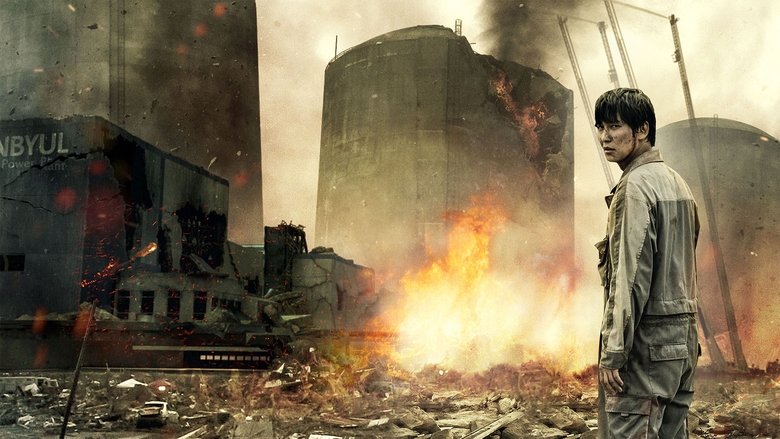
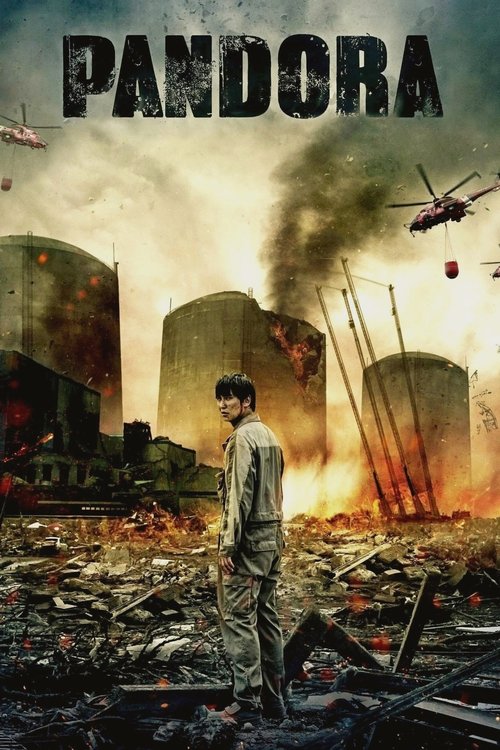
In a small coastal town built in the shadow of an aging nuclear power plant, Kang Jae-hyeok is a young man with no ambitions beyond leaving. He works at the plant that already took members of his family, lives with his mother, his widowed sister-in-law and his nephew, dates the local girl Yeon-joo, and dreams aloud of running away to open a business somewhere far from the reactors. The plant is old, its maintenance is deferred, and everyone in town has learned to live beside it the way people live beside a sleeping animal.
Then a magnitude 6.1 earthquake strikes. A cooling valve cracks, radiation begins to leak, and what the plant's workers are facing quickly outgrows anything the manuals prepared them for. Above them, in Seoul, a young and inexperienced President and a Prime Minister who prizes control over candour begin managing not the accident but the perception of it — and the gap between what officials say and what the town can see with its own eyes becomes its own kind of catastrophe.
Directed and written by Park Jung-woo and released in South Korea on 7 December 2016, Pandora was openly inspired by the 2011 Fukushima Daiichi disaster and transplants that nightmare onto Korean soil. It moves on two tracks at once: the claustrophobic, technical desperation of men inside a failing reactor, and the wide-angle chaos of evacuation, rumour and political calculation outside it — with the small people of one town caught between both.


Comments (0)
No comments yet. Be the first to share your thoughts!