Skip to content
Porn in the Hood
A raucous, sun-drenched suburban farce vibrating with self-deprecating warmth, framing three clueless dreamers chasing golden tickets through the absurd underbelly of French pop culture.
Porn in the Hood

Porn in the Hood

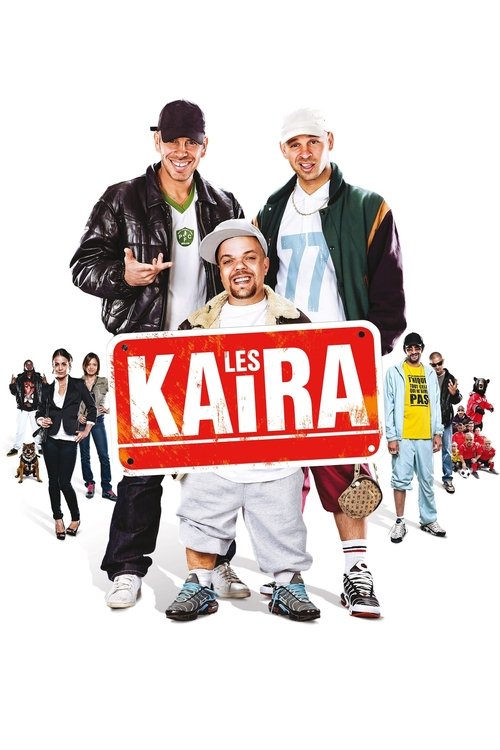
Les Kaïra

11 July 2012 France 98 min 5.0 (372)

Director: Franck Gastambide

Cast: Ramzy Bedia, Medi Sadoun, Franck Gastambide, Jib Pocthier, Alice Belaïdi

Comedy Deconstruction of Suburban Hyper-Masculinity & Bravado The Illusory Allure of Instant Celebrity & Consumer Culture Male Camaraderie, Loyalty, and Belonging Class Clashes & Cultural Stereotyping in French Society
Box Office: $103,504

Overview

Porn in the Hood (Les Kaïra) is a 2012 French comedy written and directed by Franck Gastambide in his feature directorial debut. Expanding on the cult Canal+ short-format web series Kaïra Shopping, the film chronicles three lifelong friends—Mousten, Abdelkrim, and Momo—who reside in the suburban projects of Melun, south-east of Paris. Aimless, chronically unemployed, and spending their days lounging at the foot of their high-rise estate, the trio longs for wealth, respect, and romantic success but lacks any conventional prospects.

Their trajectory shifts when they discover a classified casting call in an adult entertainment magazine. Viewing adult cinema not merely as an industry but as the ultimate shortcut to riches and adoration, the trio decides to become international adult film stars. Upon tracking down sleazy adult producer Claude Fachoune, they are met with skepticism and tasked with producing a convincing audition demo tape featuring a female co-star to prove their capabilities.

Determined to film their demo, the trio embarks on an odyssey across Parisian suburbs and high-society enclaves. Their journey leads them through hip-hop festivals, clashes with eccentric neighborhood figures like Warner, and disastrous encounters with bourgeois libertine parties, transforming their naive quest into a chain reaction of social misadventures.

Core Meaning

At its core, Porn in the Hood uses crude, high-energy satire to deconstruct the myths of hyper-masculinity, suburban disenfranchisement, and modern get-rich-quick fantasies. Director Franck Gastambide inverts standard banlieue cinema tropes—typically defined by gritty despair, crime, and heavy social realism—by turning the hood into a playground of screwball innocence and self-mockery.

The film highlights how vulnerable young men in economically marginalized areas often mistake consumerist notoriety and sexual conquest for genuine manhood and dignity. Gastambide delivers a message centered on community and genuine human connection: the hollow glamour of commodified fame is an illusion, and real maturity requires honesty, emotional vulnerability, and loyalty over posturing.

Thematic DNA

Deconstruction of Suburban Hyper-Masculinity & Bravado 30%
The Illusory Allure of Instant Celebrity & Consumer Culture 25%
Male Camaraderie, Loyalty, and Belonging 25%
Class Clashes & Cultural Stereotyping in French Society 20%

Deconstruction of Suburban Hyper-Masculinity & Bravado

The characters adopt aggressive slang, physical posturing, and sexual bragging to disguise deep-seated insecurities, sexual inexperience, and social paralysis.

The Illusory Allure of Instant Celebrity & Consumer Culture

Through the lens of the adult entertainment industry, the film lampoons modern youth aspirations where notoriety and quick payouts eclipse sustained craftsmanship and education.

Male Camaraderie, Loyalty, and Belonging

Despite endless bickering and mutual embarrassment, the bond among Mousten, Abdelkrim, and Momo anchors the story, demonstrating that their friendship is their primary source of resilience.

Class Clashes & Cultural Stereotyping in French Society

As the trio ventures beyond Melun into upscale circles, the film satirizes both bourgeois hypocrisy and suburban prejudices, revealing mutual incomprehension across French social strata.

Character Analysis

Mousten

Franck Gastambide

Archetype: The Reluctant Leader / Romantic Fool Key Trait: Anxious optimism masked by bravado

Motivation

To achieve wealth, win respect, and impress Kadija without losing face.

Character Arc

Evolves from an insecure slacker posturing for peers into an honest young man willing to confess his true feelings to Kadija.

Abdelkrim

Medi Sadoun

Archetype: The Vocal Sidekick / Hothead Key Trait: Fast-talking, defensive temper

Motivation

To break out of mundane suburban routine and achieve status.

Character Arc

Moves from stubborn bluster and aggressive denial to accepting his own limitations and prioritizing his friends.

All 5 characters and cast

Symbols & Motifs

The Adult Casting Ad / Magazine

Meaning:

Represents the false promise of upward mobility, acting as the inciting catalyst that exposes the boys' naive understanding of professional labor and adult relationships.

Context:

Discovered by the trio at the start of the film, prompting their absurd venture into the adult entertainment industry.

The Camcorder / Demo Tape

Meaning:

Symbolizes the male gaze, self-validation, and performative identity; their frantic effort to capture footage reflects their desire to prove their worth to an outside world that routinely ignores them.

Context:

Carried throughout their suburban and upscale escapades as they attempt to film a marketable audition reel.

The Foot of the Housing Tower ("En bas de la cité")

Meaning:

Serves as both a visual prison of stagnation and a comforting sanctuary of childhood brotherhood.

Context:

The central gathering location where the trio spends their days lounging and where they ultimately return at the conclusion of their journey.

Tracksuits and Street Apparel

Meaning:

A visual uniform symbolizing both cultural belonging within banlieue youth culture and an economic barrier when navigating external social spheres.

Context:

Worn consistently by the main characters, creating stark visual contrast when they infiltrate high-society gatherings and upscale parties.

Memorable Quotes

« On va devenir des stars du X, c'est le seul métier où t'es payé pour kiffer ! »
— Mousten (Franck Gastambide)

Context

Spoken when pitching the audition idea to Abdelkrim and Momo.

Meaning

Establishes the trio's naive premise that adult entertainment is effortless leisure rather than an industry.

« Wesh, tu crois qu'on fait du cinéma d'auteur ici ? Montrez-moi ce que vous valez ! »
— Claude Fachoune (François Damiens)

Context

Delivered during their initial meeting in Fachoune’s production office.

Meaning

Bursts their romanticized illusions with cynical commercial demands.

All 3 quotes

Philosophical Questions

The Commodification of Intimacy

Explores whether the modern entertainment landscape reduces human connection and sexual relationships to transactional spectacle and consumer goods.

The Burden of Street Posturing

Examines how the social pressure to project invulnerability and hyper-masculinity prevents young men from experiencing genuine intimacy and emotional maturity.

Escapism vs. Community

Investigates whether true fulfillment is found by escaping one's roots through sensationalist fame, or by cultivating self-worth within one's community.

Alternative Interpretations

The film can be analyzed through multiple analytical frameworks:

Full ending explanation

Cultural Impact

Released in the summer of 2012, Les Kaïra arrived during a shift in French cinema regarding the representation of the banlieues. For decades, the cinéma de banlieue had been dominated by gritty social dramas in the legacy of Mathieu Kassovitz’s La Haine (1995). Gastambide’s film embraced an overtly populist, unapologetic sex-comedy tone, re-centering suburban youth as comedic protagonists with lighthearted agency rather than tragic victims.

Its massive commercial success opened mainstream French cinema doors for a new generation of diverse comedic talent, establishing Franck Gastambide as a major box-office director who went on to direct Pattaya (2016) and Taxi 5 (2018), as well as creating the Canal+ hit series Validé.

Audience Reception

French and international critics commended the film's kinetic energy, authentic suburban dialogue, sharp comedic timing, and the chemistry among Gastambide, Sadoun, and Pocthier, with supporting turns by François Damiens and Ramzy Bedia widely highlighted.

Some mainstream reviewers noted the uneven pacing typical of sketch-to-film adaptations, occasionally crude low-brow gags, and reliance on bawdy slapstick tropes. Nevertheless, audiences embraced the film as an energetic summer comedy, cementing its status as a cult favorite and the most profitable French film of 2012.

Interesting Facts

  • The film originated from Kaïra Shopping, a three-minute micro-series produced for Canal+ and YouTube, which Gastambide wrote and directed on a shoestring budget.
  • Produced on a modest budget of approximately €4 million ($4.6 million), the film attracted over one million theater admissions in France, making it the most profitable French production of 2012 relative to its cost.
  • Franck Gastambide drew inspiration from his own youth in Melun (Seine-et-Marne), deliberately casting non-traditional actors and friends to preserve authentic banlieue street cadence.
  • Before directing, Gastambide worked as an animal handler on film sets (notably La Haine and Crimson Rivers), gaining practical insight into film production and industry networking.
  • The soundtrack was curated by French hip-hop royalty DJ Cut Killer and Éric Neveux, anchoring the comedy firmly within late-1990s and 2000s French rap culture.

Easter Eggs

Rocco Siffredi & Katsuni Cameos

Legendary adult cinema icons make self-referential cameo appearances, providing meta-commentary on the trio’s romanticized view of their industry.

Éric Cantona as a Football Coach

The French football and cultural legend cameos as an eccentric local football coach, playing against his mythical serious public persona.

François Damiens as Claude Fachoune

Acclaimed Belgian comedian François Damiens brings his trademark deadpan absurdity to the role of the sleazy adult producer.

Pom Klementieff & Alex Lutz Appearances

Pom Klementieff (later Mantis in the Marvel Cinematic Universe) appears as Tia, and Alex Lutz appears as "The Egyptian," highlighting the cast's crossover talent.

French Hip-Hop Cameos

Notable appearances by rapper Mister You, Cut Killer, Sir Samuel, and Doudou Masta root the film in authentic contemporary urban music culture.

Frequently Asked Questions

Explore More About This Movie

Dive deeper into specific aspects of the movie with our detailed analysis pages

Comments (0)

Leave a comment

No comments yet. Be the first to share your thoughts!

Similar Movies