
Skip to content
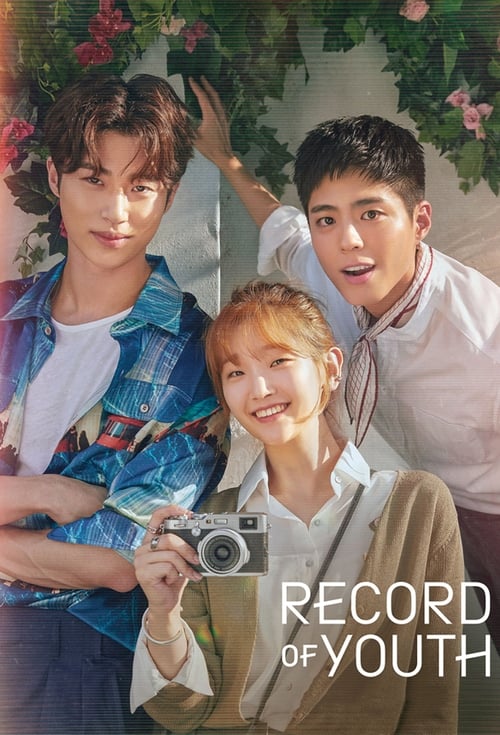
Record of Youth
A bittersweet, sunlit coming-of-age melodrama where youthful ambition collides with harsh economic realities, capturing the poignant feeling of watching dreams take flight like fragile paper planes against a restless Seoul skyline.
Record of Youth

Record of Youth

청춘기록

"Remember and be together."

07 September 2020 — 27 October 2020 South Korea 1 season 16 episode Ended 8.1 (240)

Cast: Park Bo-gum, Park So-dam, Byeon Woo-seok, Lee Chang-hoon, Jo Yoon Jung

Drama Socioeconomic Class and the Spoon Class Theory Integrity, Ambition, and the Price of Fame Family Expectations vs. Individual Dreams Pragmatic Romance and Personal Boundaries Intergenerational Solidarity and Late-Life Renewal

Overview

Record of Youth (청춘기록) is a 16-episode South Korean television drama created by Studio Dragon, penned by screenwriter Ha Myung-hee and directed by Ahn Gil-ho. Premiering on tvN and streaming globally on Netflix in autumn 2020, the series follows the intertwined personal and professional lives of three ambitious twenty-somethings in Hannam-dong, Seoul, as they navigate the fiercely competitive landscapes of the fashion and entertainment industries.

The narrative centers on Sa Hye-jun, a charismatic runway model striving against systemic barriers and impending mandatory military enlistment to establish a legitimate career as an actor. Alongside him are Ahn Jeong-ha, a determined makeup artist who gave up a secure corporate job to pursue her passion and build financial independence, and Won Hae-hyo, Hye-jun’s wealthy childhood best friend who appears to have an easier path in showbiz thanks to family influence. Together with their close circle of family and friends, they confront generational divides, workplace exploitation, and the heavy price of fame.

Rather than relying on fairy-tale romance or sensational plot contrivances, Record of Youth grounds itself in quiet, slice-of-life realism. It portrays how socioeconomic disparity, family expectations, media scrutiny, and personal identity shape the choices of young adults standing at the crossroads between pragmatic survival and unyielding passion.


Core Meaning

The overarching message of Record of Youth is that true self-actualization and personal dignity cannot be defined by external wealth, societal validation, or romantic compromise. The series emphasizes that youth is not merely an age bracket but an ongoing process of defining oneself on one's own terms.

By contrasting the raw struggle of working-class talent with the quiet disillusionment of privileged ambition, the story argues that while systemic inequality and parentage dictate starting points, genuine integrity, resilience, and self-respect are the true foundations of lasting growth. Furthermore, the drama asserts that love in youth often requires allowing each other space to grow into independent individuals rather than holding onto one another out of codependency.

Thematic DNA

Socioeconomic Class and the Spoon Class Theory 30%
Integrity, Ambition, and the Price of Fame 25%
Family Expectations vs. Individual Dreams 20%
Pragmatic Romance and Personal Boundaries 15%
Intergenerational Solidarity and Late-Life Renewal 10%

Socioeconomic Class and the Spoon Class Theory

The drama directly interrogates Korea’s spoon class hierarchy by contrasting the dirt spoon background of Hye-jun, whose mother works as a housekeeper, with the gold spoon life of Hae-hyo. The narrative explores how structural privilege accelerates opportunities while demonstrating that inherited privilege hollows out self-worth when unearned, whereas self-reliance builds authentic character.

Integrity, Ambition, and the Price of Fame

By showcasing behind-the-scenes realities of the entertainment industry—ranging from exploitative management agencies and malicious tabloids to predatory sponsorships—the series tracks how public perception distorts personal truth. Success is presented as a double-edged sword demanding severe personal sacrifice and ethical resolve.

Family Expectations vs. Individual Dreams

The clash between practical, fear-based parental demands and the risky aspirations of youth runs throughout the narrative. Hye-jun’s strained relationship with his father and brother represents the generational anxiety surrounding financial stability in contemporary South Korea.

Pragmatic Romance and Personal Boundaries

The romance between Hye-jun and Jeong-ha avoids melodramatic clinginess, portraying how professional demands, privacy invasions, and emotional vulnerabilities can strain a relationship. It redefines romantic maturity as knowing when to step back so both individuals can thrive independently.

Intergenerational Solidarity and Late-Life Renewal

Through Hye-jun’s bond with his grandfather Min-gi, the show illustrates mutual emotional sanctuary across generations, culminating in Min-gi finding renewed purpose and dignity as a senior model.

Character Analysis

Sa Hye-jun

Park Bo-gum

Archetype: The Resilient Hero Key Trait: Unflinching moral clarity and inner dignity.

Motivation

Initially motivated by a desire for validation and financial stability; evolves into valuing peace of mind, artistic integrity, and genuine connections over runaway celebrity status.

Character Arc

Rises from an underappreciated runway model and part-timer to a top-tier actor, enduring industry betrayal and media attacks before willingly taking a hiatus to complete his mandatory military service.

Ahn Jeong-ha

Park So-dam

Archetype: The Pragmatic Individualist Key Trait: Self-reliance, practical realism, and candor.

Motivation

Initially driven by a deep need for financial security and home ownership; evolves to embrace emotional vulnerability and authentic creative expression on her own terms.

Character Arc

Leaves a secure corporate job, overcomes toxic workplace bullying at a prestigious beauty salon, and successfully establishes her own independent makeup studio.

All 5 characters and cast

Symbols & Motifs

The Shared Bedroom

Meaning:

Represents shared underdog status, solidarity, and a safe haven free from familial judgment.

Context:

Hye-jun and his grandfather Min-gi share a cramped bedroom in the Sa household, serving as a private sanctuary where both men share their vulnerabilities and support each other's dreams when the rest of the family views them as financial burdens.

Couple Sneakers / Shoes

Meaning:

Symbolizes forward momentum, mutual support, personal pathfinding, and lasting gratitude rather than lingering regret.

Context:

Purchased by Hye-jun for Jeong-ha, the shoes accompany their journey together. Even after their romantic parting, Jeong-ha continues wearing them, highlighting fond appreciation for their shared past and her ongoing independence.

Rain and Umbrellas

Meaning:

Acts as an emotional catalyst representing safety, shelter, and romantic vulnerability amidst life's unpredictable hardships.

Context:

Featured during key turning points, most notably when Hye-jun shares an umbrella with Jeong-ha and ties a scarf around her neck to protect her from the elements.

The Makeup Brush

Meaning:

Signifies creative autonomy, financial liberation, and an emotional shield.

Context:

For Jeong-ha, makeup tools serve as her path to building an independent salon business, while also functioning as a mask to conceal past wounds and familial abandonment from the world.

Military Notice / Service

Meaning:

Represents the ticking clock of youth and an unavoidable crossroads between career momentum and mandatory duty.

Context:

The draft notice constantly looms over Hye-jun as a strict deadline to achieve acting success before having to pause his career, ultimately serving as his chosen vehicle for a personal and professional reset.

Memorable Quotes

부모한테 물려받은 정서적 안정감. 정직함과 성실함. 그리고 부모의 고생을 보며 자라 생긴 성공에 대한 욕망.
— Sa Hye-jun

Context

Delivered via voiceover in Episode 4 as Hye-jun reflects on his working-class upbringing and his drive to succeed as an actor.

Meaning

Articulates that true wealth lies in inherited character, emotional stability, and the drive fostered by witnessing his parents' labor, rejecting the idea that only material wealth defines potential.

네 팬이길 잘했어. 오늘 하루를 버티게 해 준 사람이니까.
— Ahn Jeong-ha

Context

Spoken to Hye-jun in Episode 2 as she shares the solace his modeling work provided her while working in high-stress environments.

Meaning

Highlights how everyday youth find emotional comfort, strength, and motivation through their admiration of artists to endure exhausting days.

All 4 quotes

Episode Highlights

The Starting Line

S1E1

Introduces the stark contrast between Hye-jun's struggling working-class life and Hae-hyo's affluent career support, alongside Jeong-ha's transition from Hye-jun's fan to his makeup artist at a major Seoul fashion show.

Significance:

Establishes the core socio-economic dynamics, character motivations, and thematic foundation of the series.

The Breakthrough Audition

S1E4

Hye-jun decides to take one last shot at acting before his planned enlistment, securing a pivotal role in a medical drama with the help of his new manager Lee Min-jae.

Significance:

Marks the turning point in Hye-jun's career trajectory and solidifies his partnership with Min-jae at Jjambbong Entertainment.

The Rise to Stardom

S1E7

Hye-jun's compelling performance alongside top actress Lee Hyun-soo in the drama Gateway leads to explosive popularity and overnight fame.

Significance:

Shifts the narrative focus from the struggle for recognition to the complicated personal and interpersonal costs of sudden stardom.

The Best Actor Award & Grandfather's Victory

S1E9

Hye-jun wins the Best Actor accolade at a prestigious drama awards ceremony, while his grandfather Min-gi books a major senior advertising campaign.

Significance:

Represents the dual peak of success for both household underdogs, while triggering complex familial tensions when Hye-jun leaves his father out of his televised acceptance speech.

The Dark Side of Fame & Scandal

S1E12

The sudden suicide of fashion designer Charlie Jung triggers malicious tabloid rumors and false allegations regarding Hye-jun's past and sexual orientation.

Significance:

Tests Hye-jun's ethical boundaries and resilience while exposing the ruthlessness of tabloid media and predatory industry figures.

The Weight of Truth

S1E15

Hae-hyo experiences a devastating emotional collapse upon discovering his mother purchased his followers and manipulated his career, while Jeong-ha and Hye-jun mutually decide to part ways.

Significance:

Deconstructs the illusion of unearned privilege for Hae-hyo and marks the painful but mature resolution of the central romantic relationship.

The Record Continues

S1E16

Hye-jun enlists in the military to reset his life; two years later, he and Jeong-ha reunite as confident, established professionals on a film set and share a nostalgic, warm walk.

Significance:

Provides a realistic, open-ended conclusion emphasizing personal self-actualization, lasting mutual respect, and ongoing growth.

Philosophical Questions

Is true meritocracy possible in modern society, or does social capital always dictate the boundaries of opportunity?

The drama explores this through the contrasting journeys of Hye-jun and Hae-hyo, illustrating how social status opens doors while raw merit requires disproportionate resilience to overcome institutional barriers.

Can authentic love survive when one person’s public life inevitably erodes the private identity of the other?

Examined through Hye-jun and Jeong-ha's relationship, showing how intense celebrity scrutiny, paparazzi, and public obligations can compromise mutual honesty and personal boundaries.

Does compromising one's boundaries to fulfill family expectations bring harmony, or does it merely perpetuate generational trauma?

Portrayed through Hye-jun's friction with his pragmatic father and Hae-hyo's stifling relationship with his controlling mother, contrasting compliance with independent self-definition.

What defines the value of youth: the milestones achieved, or the resilience forged while enduring failure?

Addressed across all character arcs, demonstrating that personal growth, ethical resolve, and self-respect are more enduring measures of youth than commercial accolades.

Alternative Interpretations

The series offers multiple interpretive lenses for its themes and conclusion:

Full ending explanation

Cultural Impact

Record of Youth aired during intensive cultural discussions around South Korea's Spoon Class Theory (수저계급론), where rampant youth unemployment and soaring real estate prices have reinforced the belief that inherited family wealth dictates life outcomes. By pulling back the curtain on the modeling and K-drama worlds, the show demystified the glamour of Hallyu.

The series also tackled the acute anxieties surrounding mandatory military enlistment, which frequently halts young men's careers at their peak, alongside taboo subjects like industry sponsorship and invasive paparazzi culture. It received critical recognition for capturing Gen Z and millennial workplace realities, earning a nomination for Best Screenplay for Television at the 57th Baeksang Arts Awards and a spot on Forbes' list of the best Korean dramas of 2020.

Audience Reception

Record of Youth received strong domestic ratings and international praise, though audience responses featured notable points of contrast:

  • Praises: Viewers widely praised Park Bo-gum’s charismatic and emotionally nuanced lead performance, Han Jin-hee’s heartwarming senior modeling arc, and the drama's grounded, relatable dialogue regarding millennial workplace struggles and economic pressures.
  • Criticisms: Some critics and viewers noted a pacing slowdown in the second half, citing repetitive conflicts involving spiteful former agencies and aggressive reporters. Others felt Ahn Jeong-ha’s personal storyline became somewhat sidelined as the plot prioritized Hye-jun’s industry scandals.
  • Overall Verdict: The drama is broadly regarded as a polished, comforting, and authentic coming-of-age portrait that offers a sincere look at the hardships and aspirations of contemporary youth.

Interesting Facts

  • Filming for the pre-produced drama wrapped just before Park Bo-gum enlisted in the Republic of Korea Navy Military Band on August 31, 2020, meaning the series aired while he was actively serving.
  • Director Ahn Gil-ho, known for gripping thriller dramas like Stranger and Watcher, took on Record of Youth to showcase his stylish visual flair within a slice-of-life melodrama.
  • Byeon Woo-seok was a professional fashion runway model prior to transitioning into acting, paralleling his character Won Hae-hyo's background.
  • The drama marked Park So-dam's television comeback following the international success of Bong Joon-ho's Oscar-winning film Parasite (2019).
  • Record of Youth achieved the highest premiere viewership ratings for a tvN Monday-Tuesday drama up to that point in broadcast history.

Easter Eggs

Park Seo-joon's cameo as top star Song Min-su in Episodes 9 and 10.

Served as a reciprocal appearance after Park Bo-gum made a memorable cameo in the finale of Park Seo-joon's hit drama Itaewon Class (2020).

Seo Hyun-jin's cameo as A-list actress Lee Hyun-soo in the in-universe medical drama Gateway.

A meta-reference to writer Ha Myung-hee's acclaimed medical drama work, including Doctors and Romantic Doctor, Teacher Kim.

Lee Hye-ri (Hyeri) guest-starring as top star Lee Hae-ji in Episode 13.

Created an exciting reunion for fans of Reply 1988, which famously starred both Park Bo-gum and Hyeri.

Cameos by Lee Sung-kyung and Kang Han-na.

Lee Sung-kyung appeared as Hye-jun's co-star Jin Seo-woo, while Kang Han-na appeared as an awards ceremony co-host, enriching the meta-depiction of the Korean entertainment industry.

The satirical character Park Do-ha (played by Kim Gun-woo).

Acts as a sharp industry parody representing spoiled, image-obsessed celebrities who prioritize public relations over genuine craft.

Frequently Asked Questions

Explore More About This Movie

Dive deeper into specific aspects of the movie with our detailed analysis pages

Comments (0)

Leave a comment

No comments yet. Be the first to share your thoughts!

Similar Movies