Skip to content
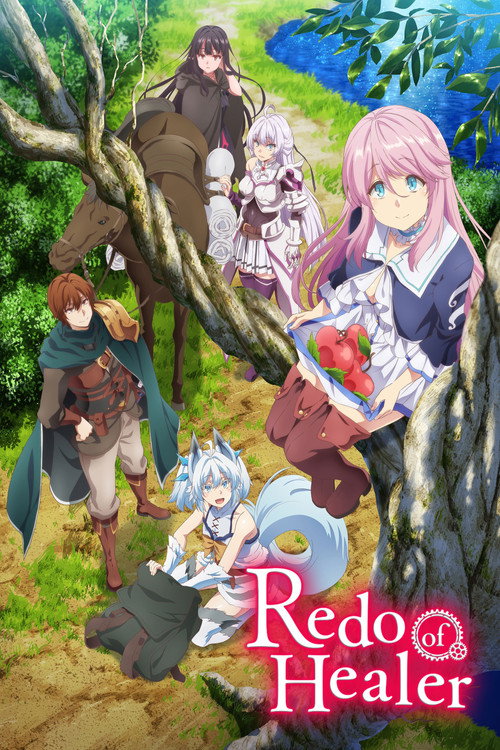
Redo of Healer
In a dark fantasy steeped in icy malice, a shattered soul uses rewound time as a mirror to reflect his torturers' darkest sins back upon them.
Redo of Healer

Redo of Healer

回復術士のやり直し

13 January 2021 — 31 March 2021 Japan 1 season 12 episode Ended 8.3 (1,042)

Cast: Natsumi Takamori, Yuya Hozumi, Ayano Shibuya, Shizuka Ishigami, Natsuki Aikawa

Drama Crime Animation Sci-Fi & Fantasy Action & Adventure The Cycle of Retribution and Parity Systemic Corruption Behind Noble Façades Malleability of Identity and Memory Dehumanization and Moral Degradation Through Trauma

Overview

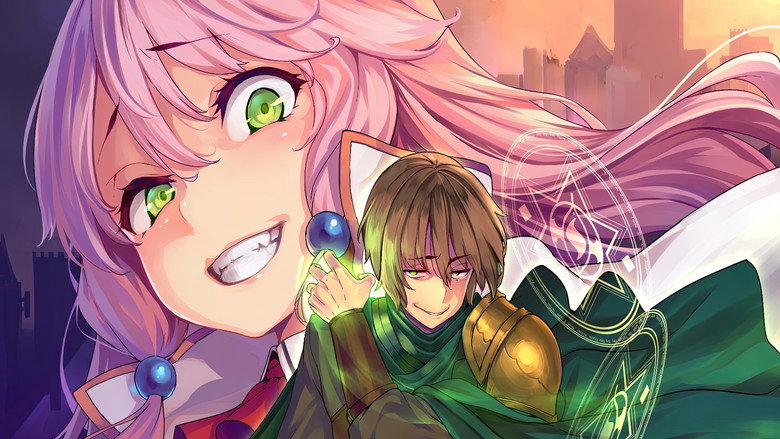
Set in a grim fantasy world dominated by the corrupted Jioral Kingdom, Redo of Healer (Kaifuku Jutsushi no Yarinaoshi) follows Keyaru, a naive young man blessed with the title of Healing Hero. However, his sacred gift comes with a horrific price: using healing magic forces Keyaru to absorb all the excruciating pain, trauma, and memories of the people he heals. Deemed useless in direct combat, he is subjected to four years of severe physical abuse, psychological torture, and forced drug addiction at the hands of Princess Flare and her fellow royal heroes.

In the climax of the kingdom's war against the Demon Lord, Keyaru discovers that his healing magic extends far beyond basic biological restoration—allowing him to alter organic structures, copy skills, steal experience, and manipulate memory. Utilizing the Philosopher’s Stone extracted from the Demon Lord, Keyaru casts a world-rewinding spell that resets history back four years while retaining all his memories. Reborn in the past, he discards his former self to assume the persona of Keyarga, initiating a cold, calculated campaign of retribution against his abusers.

Across its 12-episode run, the series traces Keyarga’s journey across the continent as he systematically hunts down the royal heroes. Along the way, he builds a companion group of former victims and rewritten tormentors, balancing his personal vendetta against a larger conflict involving Demon King candidates and imperial power struggles.
Core Meaning

The creators—led by original light novel author Rui Tsukiyo and series director Takuya Asaoka—use Redo of Healer to explore the corrupting nature of systemic abuse and the moral devolation born of unspeakable trauma. Rather than delivering a conventional fantasy of moral high ground or forgiveness, the series posits that severe abuse strips away noble ideals, reducing human dynamics to power, dominance, and exact parity in suffering. Keyarga does not seek to save the world; he seeks eye-for-an-eye retribution. The narrative acts as a dark satire of classical high-fantasy 'chosen hero' tropes, stripping away the illusion of saintly righteousness to reveal how power structures weaponize virtue.

Thematic DNA

The Cycle of Retribution and Parity 35%
Systemic Corruption Behind Noble Façades 25%
Malleability of Identity and Memory 20%
Dehumanization and Moral Degradation Through Trauma 20%

The Cycle of Retribution and Parity

The narrative revolves around an uncompromising 'an eye for an eye' ethos. Keyarga does not merely kill his enemies; he systematically subjects them to the exact forms of torture, drug degradation, and loss of identity that they inflicted on him in the original timeline.

Systemic Corruption Behind Noble Façades

The Jioral Kingdom and its 'Heroes' present themselves to the public as holy defenders of humanity, yet behind closed doors, they engage in drug trafficking, racial genocide against demi-humans, and horrific abuse.

Malleability of Identity and Memory

Through his 'Imitation Heal' ability, Keyarga reshapes physical bodies and rewrites memories. By turning his worst enemy, Princess Flare, into the devoted companion Freia, the series questions whether human identity resides in memories or in fundamental essence.

Dehumanization and Moral Degradation Through Trauma

Keyaru begins as a gentle, altruistic boy but emerges from his ordeal as Keyarga—a ruthless, pragmatic antihero who views others primarily as tools, weapons, or objects for revenge.

Character Analysis

Keyaru / Keyarga

Yuya Hozumi (as Keara: Yoko Hikasa)

Archetype: Vengeful Antihero / Dark Mastermind Key Trait: Cold, calculating pragmatism paired with organic manipulation.

Motivation

To exact complete retribution on his abusers and secure absolute personal freedom.

Character Arc

Transforms from an innocent, exploited village boy into a drugged slave, and ultimately into an absolute strategist executing meticulous retribution.

Flare Arlgrande Jioral / Freia

Ayano Shibuya

Archetype: Tyrannical Villain turned Mind-Wiped Servant Key Trait: Devastating high-tier fire magic combined with submissive devotion.

Motivation

Originally imperial dominance; as Freia, protecting and serving Keyarga unconditionally.

Character Arc

Begins as a sadistic, elitist princess. After Keyarga erases her memories and alters her appearance, she becomes 'Freia,' a soft-spoken, intensely loyal mage.

All 5 characters and cast

Symbols & Motifs

The Philosopher's Stone (Heart of the Demon Lord)

Meaning:

Symbolizes ultimate agency and total control over fate.

Context:

It is the single catalyst that allows Keyaru to break free from his victimhood and rewrite history.

Collars and Slave Marks

Meaning:

Represent ownership, subjugation, and flipped power dynamics.

Context:

Initially used to enslave Keyaru, collars and slave contracts later become instruments Keyarga uses to bind companions like Setsuna.

Marranga Fruit / Addiction Drugs

Meaning:

Symbolizes forced compliance and the loss of free will.

Context:

It was used by Princess Flare to keep Keyaru in a subdued, manageable state.

Mirrors and Dual Identities (Keyaru/Keyarga, Flare/Freia, Norn/Ellen)

Meaning:

Symbolizes fractured selves and hidden monstrosity.

Context:

Characters continuously move between public saintly personas and private dark realities.

The Healer’s Crest / Deterioration Heal

Meaning:

Symbolizes the subversion of sacred tools.

Context:

What is traditionally an emblem of life and salvation is weaponized into an instrument of biological disruption and instant kill magic.

Memorable Quotes

回復術士は一人では戦えない……そんな常識に僕はずっと縛られていた。
— Keyaru

Context

Season 1, Episode 1 ('The Healer Starts Over!').

Meaning

Marks Keyaru's awakening to the true offensive potential of healing magic.

俺の名前はケヤルガ。俺は、俺のやりたいようにやり直す!
— Keyarga

Context

Season 1, Episode 2 ('The Healer Ruins Princess Flare!').

Meaning

Defines his rejection of victimhood and the birth of his vengeful identity.

All 4 quotes

Episode Highlights

The Healer Starts Over!

S1E1

Establishes Keyaru’s past torture, his acquisition of skill copying, the acquisition of the Philosopher’s Stone, and the execution of world-rewinding magic.

Significance:

Lays the groundwork for the overarching narrative arc.

The Healer Ruins Princess Flare!

S1E2

Keyarga executes his revenge on Princess Flare, altering her face and wiping her memory to create Freia.

Significance:

Establishes the series' dark tone and core revenge mechanics.

The Healer Acquires Setsuna!

S1E4

Keyarga purchases and heals Setsuna, entering a mutual revenge alliance and boosting her level cap.

Significance:

Expands Keyarga's group dynamics beyond mind-wiped servants to include active allies seeking vengeance.

The Healer Meets the Demon Lord!

S1E8

Keyarga encounters Eve Reese in the neutral city of Branicca, saving her from royal assassins.

Significance:

Broadens the scope of the plot from personal vengeance to regional geopolitical conflict.

The Healer Starts a New Journey!

S1E12

Keyarga defeats Norn, rewrites her into his younger sister Ellen, and forms a pact to help Eve claim the Demon Lord throne.

Significance:

Concludes the revenge against the Jioral royal sisters while setting up future storylines.

Philosophical Questions

Continuity of Identity Through Memory

If a person's body and memories are completely rewritten, does their past identity retain moral responsibility for past actions?

Moral Parity in Retribution

Does inflicting identical suffering on an abuser constitute justice, or does it perpetuate a cycle of abuse?

Ethics Under Extreme Survival

In a world built on absolute power, are traditional morals a liability that leads to destruction?

Alternative Interpretations

Interpretations of the series include:

Full ending explanation

Cultural Impact

Released during the Winter 2021 season amid a surge in dark isekai and fantasy adaptations, Redo of Healer generated intense online discourse regarding broadcasting limits, censorship, and antihero tropes. While Western critical commentary was sharply divided over its graphic content, the series performed strongly on Japanese domestic satellite networks (AT-X) and streaming services.

Audience Reception

Western review outlets heavily criticized the series for graphic violence, dark edginess, and moral ambiguity. However, review aggregators (IMDb ~6.5/10, MyAnimeList ~6.3/10) reflect a polarized audience split. Fans of dark fantasy praised its fast pacing, lack of narrative cop-outs, and subversion of standard tropes, while others found the themes difficult to watch.

Overall, it stands as a polarizing dark fantasy series recognized for pushing TV broadcast boundaries and sticking firmly to its revenge premise.

Interesting Facts

  • Three Distinct Broadcast Cuts: Studio TNK produced three versions of the anime: a heavily censored TV version for traditional channels, a moderately modified 'Redo' streaming version, and an uncensored 'Complete Recovery' version aired late-night on AT-X.
  • Author's Commercial Intent: In an interview with The Anime Man (Joey Bizinger), author Rui Tsukiyo stated he deliberately wrote Redo of Healer to target extreme revenge tropes, calculating that a provocative story strongly embraced by a dedicated sub-audience is commercially more successful than a mild story.
  • Overseas Light Novel Refusal: Major English light novel publishers declined to license the original books due to their graphic depictions of sexual violence, making it one of the few high-profile series without an official English LN release.
  • German Dub Exclusive: Outside Japan, Germany was the only Western market to produce an official native language audio dub for the series.
  • Studio TNK Expertise: The production was handled by Studio TNK, known for dark fantasy and ecchi titles such as High School DxD and Senran Kagura Shinovi Master.

Easter Eggs

Homage to Rance

Author Rui Tsukiyo cited AliceSoft's Rance visual novel franchise as a key influence for Keyarga’s non-traditional, ruthlessly pragmatic antihero characterization.

Subversion of The Rising of the Shield Hero

The framing of an exploited hero in a fantasy kingdom directly parodies and subverts standard revenge setups, rejecting heroic reconciliation in favor of total destruction.

Symbolic Aura Color Shifts

Healing magic is presented in soft green/blue light during innocent moments, but shifts to deep crimson garnets when weaponized as 'Deterioration Heal'.

Frequently Asked Questions

Explore More About This Movie

Dive deeper into specific aspects of the movie with our detailed analysis pages

Comments (0)

Leave a comment

No comments yet. Be the first to share your thoughts!

Similar Movies