
Skip to content
Rocco
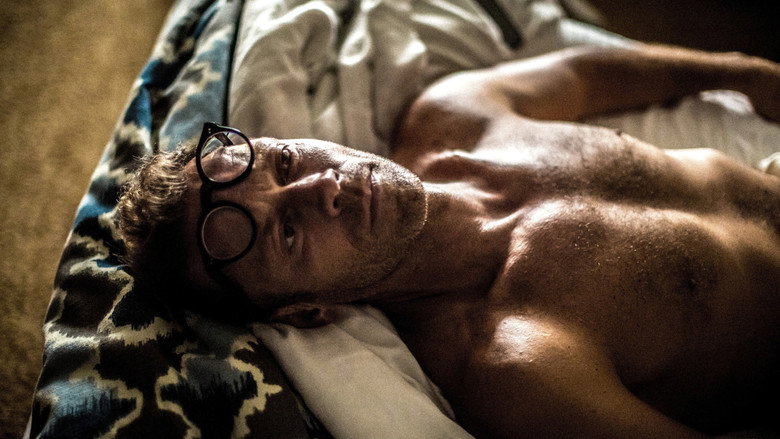
A raw, intimate documentary confession: one of adult film's most famous men takes off the last mask he has left, and desire shows up as both his god and his curse.
Rocco

Rocco

30 November 2016 France 105 min 5.5 (189)

Director: Alban Teurlai, Thierry Demaizière

Cast: Rocco Siffredi, Kelly Stafford, Rosa Caracciolo, Gabriele Galetta, Mark Spiegler

Documentary Desire as addiction and devotion Mother, family and grief Persona versus person Endings and retirement Dominance, submission and power

Overview

Rocco is a 2016 French documentary directed by Thierry Demaizière and Alban Teurlai. It follows the Italian adult-film star Rocco Siffredi during his final year in front of the camera. The film premiered on September 5, 2016, as a special event of the Venice Days section at the Venice Film Festival.

The film moves between Siffredi's working life on sets, including the productions he makes with his cousin and longtime cameraman Gabriele Galetta, and his private life with his wife, Rosa Caracciolo, and their family. Along the way Siffredi talks openly about his childhood, his mother's huge influence on him and the inner conflict he feels about the work that made him famous.

As he gets ready to step away from performing, the film builds toward his last shoot, with the British performer Kelly Stafford. It is a portrait of a man who is unsure about his future and deeply ambivalent about the desire that has driven his whole life.

Core Meaning

The directors try to get past the myth of "Rocco Siffredi" and find the man underneath. The film treats him as a conflicted, almost Faustian figure. Early on he says he has "the devil" inside him, and he describes desire as the one god he has served. The film suggests that compulsion, grief and family shape a person as much as free choice does. It also raises questions about power, consent and sexual self-determination. The Huffington Post argued that under the film's raw surface lies a message about how empowered each of us is when it comes to our own sexuality.

Thematic DNA

Desire as addiction and devotion 30%
Mother, family and grief 25%
Persona versus person 20%
Endings and retirement 15%
Dominance, submission and power 10%

Desire as addiction and devotion

Siffredi describes his sexual drive in almost religious terms and admits to having "the devil" in him. The film shows desire as both his vocation and a torment he can't escape.

Mother, family and grief

His mother hoped he would become a priest, yet she gave her blessing to his career. Her death, and the death of his brother when Siffredi was young, haunt him. His marriage to Rosa Caracciolo and his role as a father give the film its domestic counterweight.

Persona versus person

The documentary sets the famous public figure against the private man. It asks how much of "Rocco" is a performance, and what is left when the camera stops.

Endings and retirement

The story is organized around his last year of performing and builds toward a final shoot with Kelly Stafford. Retirement becomes a kind of reckoning.

Dominance, submission and power

A long road-trip conversation between Siffredi, Gabriele Galetta and Kelly Stafford looks at dominance and submission, and at who really holds power in these encounters.

Character Analysis

Rocco Siffredi

Rocco Siffredi

Archetype: Tragic antihero Key Trait: Candid self-exposure

Motivation

Desire, which he calls his single god, pulls against his wish to escape it and to be a husband and father.

Character Arc

He starts out as the confident star at the peak of his fame. Over the film he admits to inner torment, grief and ambivalence, and he moves toward his final performance and an uncertain life after it.

Kelly Stafford

Kelly Stafford

Archetype: Catalyst Key Trait: Assertive and outspoken

Motivation

To take part on her own terms in a production that marks the end of an era.

Character Arc

The British performer he chooses for his last film. She becomes a central voice in the discussions about dominance and submission.

All 4 characters and cast

Symbols & Motifs

The devil

Meaning:

Stands for the compulsive desire Siffredi feels he can't control, the "Faustian secret" of his life.

Context:

Siffredi brings up the devil early in the film. The idea comes back several times as he describes his drives.

The priesthood that never was

Meaning:

Marks the religious path his mother imagined for him. His life turned devotion toward a different god: desire.

Context:

This comes up in his memories of his mother and how she shaped the man he became.

The final scene

Meaning:

Stands for closure and a ritual goodbye to his identity as a performer.

Context:

The last part of the film prepares and shoots his final production with Kelly Stafford.

The camera held by family

Meaning:

Shows how tightly his work and his family are tied together.

Context:

His cousin Gabriele Galetta works as his cameraman and director on his productions.

Philosophical Questions

Is desire a choice, a vocation or an addiction?

Siffredi talks about his drive as a devil inside him and also as a god he serves. The film leaves it open whether he has ever been free.

Can a person separate who they are from what they perform?

The film cuts back and forth between the public star and the private family man and asks where the persona ends.

How much do our parents write our destinies?

His mother wanted him to become a priest but blessed his career instead. The film presents her as the person who most shaped who he became.

How It Ends

Alternative Interpretations

Viewers read the film in different ways:

Full ending explanation

Cultural Impact

Rocco brought an adult-industry figure to a major art-house festival. It premiered in Venice Days and was treated as a serious biographical documentary, not an exploitation film. The Hollywood Reporter's Boyd van Hoeij called it "a frequently fascinating and beautifully crafted work that tries to paint a nuanced picture of the man himself and, to an extent, the industry in which he worked." The film is part of a wider mainstream interest in Siffredi's life that later included the 2024 Netflix drama series Supersex, based on his story.

Audience Reception

The film was well received at its Venice premiere, and critics praised its craft and its nuance. Audience reactions were more divided: its IMDb rating is about 5.7. Viewers valued Siffredi's openness and the conversation on the road trip about dominance and submission. Some found the explicit, "raw, hard-core" material hard to watch and said it is clearly not family viewing.

Interesting Facts

  • The film was co-directed by Thierry Demaizière and Alban Teurlai.
  • It premiered on September 5, 2016, as a special event of the Venice Days section at the Venice Film Festival.
  • It follows Rocco Siffredi during his final year of performing in front of the camera.
  • Gabriele Galetta, who appears throughout, is Siffredi's cousin and works as his cameraman and director.
  • According to one review, the film refers to Rocco's wife by 'Rosza', her Hungarian name, rather than her stage name Rosa Caracciolo.
  • The British performer Kelly Stafford is chosen as Siffredi's partner for his final film.
  • Critics noted that the film goes right up to the limit of what can be shown in a mainstream cinema release.

Frequently Asked Questions

Explore More About This Movie

Dive deeper into specific aspects of the movie with our detailed analysis pages

Comments (0)

Leave a comment

No comments yet. Be the first to share your thoughts!

Similar Movies