Skip to content
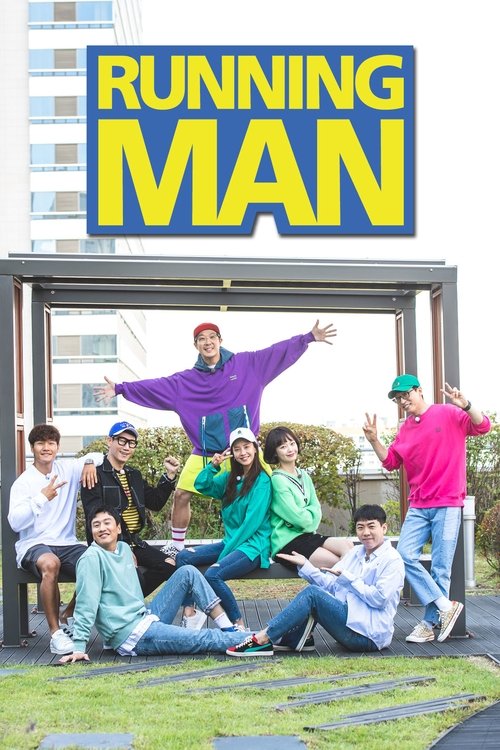
Running Man
A neon-lit urban battleground of chaotic laughter and sudden treachery, where physical collisions give way to heartwarming camaraderie in a high-speed sprint through a kaleidoscopic maze of affection.
Running Man

Running Man

런닝맨

"Don't Walk, Run!"

11 July 2010 — 26 July 2026 South Korea 1 season 817 episode Returning Series 8.2 (214)

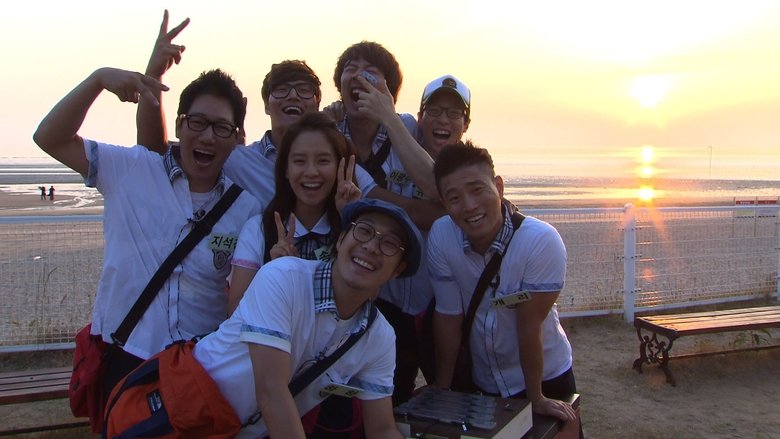
Cast: Jeon So-min, Yoo Jae-suk, Jee Seok-jin, Kim Jong-kook, Haha

Comedy Reality Strategic Betrayal vs. Genuine Loyalty The Celebration of Unluckiness and Vulnerability Camaraderie and Found Family Adaptability and Resilience in Aging

Overview

Running Man (런닝맨) is South Korea’s longest-running reality-variety television series, premiering on SBS on July 11, 2010. Pioneering the "urban action variety" genre, the show originally locked a fixed cast of celebrity hosts and guest stars inside iconic Korean landmarks overnight to complete athletic challenges, stealth missions, and psychological mind games, culminating in the show’s legendary signature game of ripping velcro-backed name tags off opponents' backs to eliminate them.

As the years progressed, Running Man expanded beyond simple hide-and-seek into cinematic narrative specials featuring time-travel, superhero powers, spy thrillers, zombie outbreaks, and elaborate international travel races. The series thrives on unscripted cast chemistry, relentless banter, absurd penalty stakes, and a famous culture of comedic betrayal where even the closest allies will turn on each other for a prize.

Across more than 800 episodes, the series survived cast departures, health-related physical format changes, and executive producer transitions, evolving from a high-octane physical game show into a cozy, family-like comfort series. The enduring magic of Running Man lies in how the cast’s genuine, decade-spanning bonds transform absurd situations into pure, infectious joy.

Core Meaning

At its core, Running Man explores the triumph of human connection over ruthless competition. Through ridiculous games and artificial rules, the show demonstrates that while individual ambition and deception are inevitable, vulnerability, laughter, and solidarity are what truly endure.

By stripping high-profile celebrities of their polished public personas and revealing their flaws, bad luck, and physical frailties, Running Man carries a reassuring message: winning is secondary to the joy of playing together, and even when life or a game deals you constant bad luck, laughing through the chaos with loved ones is the ultimate victory.

Thematic DNA

Strategic Betrayal vs. Genuine Loyalty 30%
The Celebration of Unluckiness and Vulnerability 25%
Camaraderie and Found Family 25%
Adaptability and Resilience in Aging 20%

Strategic Betrayal vs. Genuine Loyalty

Betrayal serves as the show's primary comedy currency where members form instant, oath-bound alliances only to tear off their partner's name tag seconds later. This playful strategy within the game ironically highlights the deep underlying trust of the cast, proving that only true friends can betray each other on national television without ruining their real-life bonds.

The Celebration of Unluckiness and Vulnerability

Unlike Western reality shows that elevate flawless physical winners, Running Man glorifies cosmic bad luck and failure. Characters dubbed "Icons of Misfortune" who constantly lose are rewarded with the most screen time and audience love, teaching that failing spectacularly with humor is far more valuable than winning quietly.

Camaraderie and Found Family

Beginning as workplace colleagues competing in physical games, the cast grew together over 15+ years through real-life milestones, injuries, and personal hardships. This shifts the narrative focus from winning individual trophies to preserving their collective togetherness.

Adaptability and Resilience in Aging

As the cast aged from their 20s and 30s into their 40s and 50s, the extreme physical demands of name-tag ripping took a heavy bodily toll. The show's evolution reflects human resilience by adapting game rules from intense physical combat into mental wits, banter, and lifestyle storytelling without losing its comedic identity.

Character Analysis

Yoo Jae-suk

Self

Archetype: Master MC / Strategic Hero Key Trait: Sharp wit and peerless observational banter

Motivation

Maintain game balance and orchestrate dynamic show narratives.

Character Arc

Evolved from a stressed lead to a benevolent comedic conductor across the series.

Kim Jong-kook

Self

Archetype: The Commander / The "Big Bad" Key Trait: Monstrous physical strength

Motivation

Absolute dominance and tactical perfection in physical races.

Character Arc

Transformed from a feared raid boss to a self-aware fitness talk-mentor.

All 5 characters and cast

Symbols & Motifs

The Velcro Name Tag

Meaning:

The ultimate symbol of identity, life, and vulnerability in the game, where ripping it off represents absolute elimination.

Context:

Used in the signature elimination game, where its distinctive tearing sound acts as an instant trigger for suspense.

The Spy's Water Gun

Meaning:

Symbol of stealth, intellect, and unexpected dominance, showing how wit can overcome brute force.

Context:

First introduced with Yoo Jae-suk's "Yoomes Bond" identity during covert mission episodes.

The Golden R-Badge / Trophy

Meaning:

A coveted prize that acts as a comedic MacGuffin—an object of immense desire.

Context:

Awarded to race winners, driving members to perform humiliating tasks to obtain it.

The Mud Flat

Meaning:

A recurring physical environment representing equalizing humility that strips away social status.

Context:

Celebrities in fine clothing are reduced to sliding in mud during physical challenge sequences.

Pirate Roulette & Penalty Costumes

Meaning:

Motifs of unpredictable fate and embracing public humiliation with pride.

Context:

Used during penalty selection where losing members pop pirate heads or wear embarrassing outfits like alien costumes and face paint.

Memorable Quotes

필, 촉, 크로스!
— Jee Seok-jin & Lee Kwang-soo

Context

Coined during early team-up missions (e.g., Ep 68, Ep 146) whenever weak members formed frantic pacts.

Meaning

Symbolizes instantly broken promises and hilarious inevitable betrayals as the hypocritical battle cry of the weakest members.

이광수, 아웃!
— PA System / Loudspeaker Voice

Context

Echoed across hundreds of episodes whenever Lee Kwang-soo was ambushed or eliminated early.

Meaning

The definitive announcement soundbite of the series, symbolizing swift game mortality and tragicomic failure.

All 4 quotes

Episode Highlights

The First Yoomes Bond Special

S1E38

Yoo Jae-suk is given a secret mission to eliminate all members using a water gun filled with green ink without being caught.

Significance:

Established the spy sub-genre and proved Running Man could execute complex psychological narratives.

Tru-Gary Show

S1E60

The cast pretends Gary is a hidden spy, orchestrating an elaborate reverse-prank where everyone allows Gary to think he is fooling them.

Significance:

Highlighted meta-comedy and cast solidarity.

Christmas Superpower Special

S1E74

Members are granted fantasy abilities such as Time Turner, Death Note, and Duplicators in an all-out battle.

Significance:

Redefined Korean variety by introducing sci-fi and fantasy elements into physical games.

Return of Yoomes Bond (Jailbreak)

S1E91

Locked in a real prison setting, Jae-suk must escape while secretly re-eliminating escaped members.

Significance:

Broadly considered a cinematic masterpiece of Korean broadcasting, achieving massive ratings.

Reincarnation Special

S1E130

A two-era mystery starting in 1938 Joseon and jumping to 2013 modern Seoul as reincarnated souls search for a hidden chest.

Significance:

Benchmark episode for complex plot twists and narrative continuity.

Han River Cardboard Boat Race

S1E178

Cast members must construct boats out of cardboard and tape to cross the freezing Han River against the production crew.

Significance:

Pivotal emotional turning point that shifted focus from selfish competition to true teamwork.

First Unlucky Festival

S1E292

A tournament designed specifically for the unluckiest members, featuring games of chance like raw eggs and failing elevators.

Significance:

Formalized the show’s famous sub-theme of celebrating bad luck.

Welcome Jeon So-min & Yang Se-chan

S1E346

The debut episode of new permanent members following Gary’s exit.

Significance:

Rescued the show from a major rating slump and launched a wildly successful domestic era.

Good-bye, Our Special Brother

S1E559

The official farewell race for Lee Kwang-soo after 11 years due to physical injury.

Significance:

Emotional landmark reflecting the end of an era and deep real-life familial love.

Philosophical Questions

Is betrayal ethically permissible when operating inside a system built on artificial competition?

Explored through the show's game mechanics where members form oath-bound alliances only to immediately betray each other, showing how artificial competitive pressure reframes moral rules as playful strategies.

Does physical dominance grant genuine authority, or is intellectual adaptability superior in human survival?

Explored via the constant tactical dynamic between physical powerhouses like Kim Jong-kook and strategic masterminds like Yoo Jae-suk using covert tools like water guns.

How does human behavior transform when individuals operate under constant surveillance and arbitrary shifting rules?

Explored through surprise rule twists, secret spy assignments, and changing objective parameters that test how cast members adapt under camera scrutiny.

Alternative Interpretations

The Capitalist Society Allegory: Critics note that early Running Man reflects South Korea’s intense competitive capitalist climate where individuals must outrun, outsmart, or betray peers to survive, yet absolute greed leads to ruin while cooperative alliances offer brief salvation.

Full ending explanation

Cultural Impact

Launched in 2010 during SBS's Good Sunday restructuring, Running Man became a cornerstone of the New Hallyu Wave (Korean Cultural Wave). While domestic ratings fluctuated over 15 years, the show achieved unprecedented global popularity across Asia, South America, and the West via online streaming.

The show was officially exported and adapted into local versions, most notably China’s smash hit Keep Running (Hurry Up, Brother), as well as adaptations in Vietnam and the Philippines, establishing the blueprint for modern Asian game-variety television.

Audience Reception

Praised: Unmatched, natural cast chemistry; legendary high-concept spy and fantasy specials; willingness of high-profile celebrities to break image.

Criticism: Repetitive mini-games during middle eras (2015–2016); severe reduction in intense name-tag ripping as members aged; brief public backlash during the 2016 production controversy involving proposed cast changes.

Evolution of Opinion: Audiences initially loved the show for high-octane physical action. Over time, fan affection shifted toward the comfortable, sibling-like banter, accepting the show as a long-term companion rather than just an action game show.

Interesting Facts

  • In early years, filming began at 10 PM and ended at 6 AM so production could lock down massive public sites without civilian disruption.
  • Camera operators carried 10–15 kg equipment while sprinting alongside elite athletes, making Jae-suk's VJ Ryu Kwon-ryeol a famous recurring onscreen character.
  • The custom velcro for name tags required years of testing to withstand physical wrestling while producing a crisp, loud sound.
  • Years of high-impact sprinting resulted in herniated discs and severe joint damage for almost every long-term cast member.
  • Spies were briefed prior to filming via hidden earpieces or coded text messages sent during bathroom breaks.

Easter Eggs

"Saint Agnes and the Burning Train" BGM

Ennio Morricone's melancholy track played automatically whenever Lee Kwang-soo experienced tragic bad luck or betrayal.

Global Superstar Cameos

Hollywood and global icons including Jackie Chan (Ep 135), Tom Cruise, Henry Cavill, Simon Pegg (Ep 410), and Ryan Reynolds (Ep 482) appeared to play silly physical games, stripping away their Hollywood glamour.

K-Drama & K-Pop Parodies

The show frequently parodied trending dramas like That Winter, the Wind Blows and Squid Game, and hosted legendary idol groups such as BTS, BLACKPINK, and SNSD in mud-flat battles.

Frequently Asked Questions

Explore More About This Movie

Dive deeper into specific aspects of the movie with our detailed analysis pages

Comments (0)

Leave a comment

No comments yet. Be the first to share your thoughts!

Similar Movies