Skip to content
Secret Garden
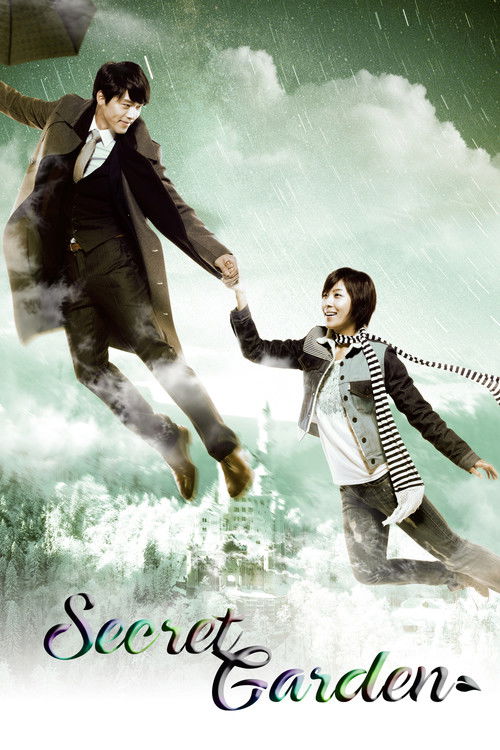
A whimsical, sharp-tongued romantic fantasy where biting societal cynicism dissolves into tear-stained devotion, framed like two wandering souls trading reflections inside a sunlit glasshouse caught in a sudden downpour.
Secret Garden

Secret Garden

시크릿 가든

"What if you fell under the spell of love one day?"

13 November 2010 — 16 January 2011 South Korea 1 season 20 episode Ended 7.5 (142)

Cast: Hyun Bin, Ha Ji-won, Yoon Sang-hyun, Kim Sa-rang, Lee Philip

Drama Sci-Fi & Fantasy Comedy Empathy Through Transposition (Walking in Another's Shoes) Socioeconomic Class & Chaebol Privilege Subversion Fate, Parental Sacrifice & Karmic Entanglement Deconstruction of Fairy Tale Archetypes Identity, Body Dysmorphia & Vulnerability

Overview

Secret Garden is a 20-episode South Korean romantic fantasy-drama that revitalized the classic Cinderella trope through supernatural soul-swapping and psychological deconstruction. Written by Kim Eun-sook and directed by Shin Woo-chul and Kwon Hyuk-chan, the series follows Kim Joo-won, an arrogant, eccentric third-generation chaebol heir managing the high-end department store LOEL, and Gil Ra-im, a resilient, orphaned stuntwoman working at an action school. Their worlds collide through a case of mistaken identity involving Joo-won’s cousin, the fading Hallyu pop star Oska. Despite Joo-won's deep-seated class snobbery and reluctance to jeopardize his social status, he finds himself irresistibly drawn to Ra-im's fiery independence.

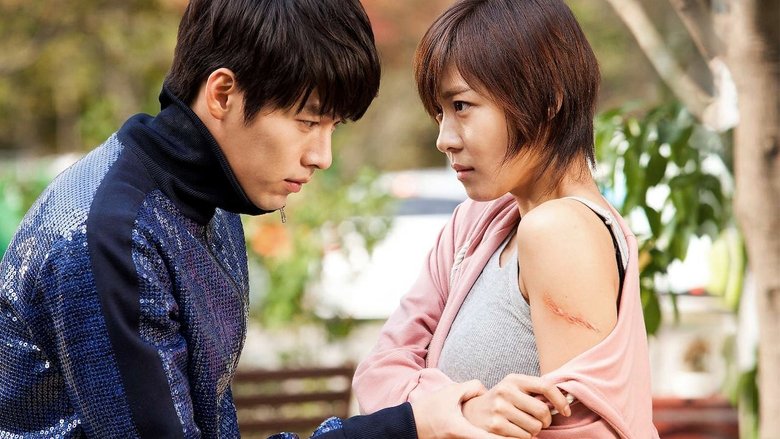
The narrative takes a supernatural turn when the leads wander into an enigmatic restaurant in the misty woods of Jeju Island called the Secret Garden. After drinking floral medicinal wine gifted by a mysterious proprietor, Joo-won and Ra-im wake up to find their consciousnesses swapped. As they repeatedly exchange bodies whenever it rains, each is forced to physically live the everyday struggles, indignities, and physical pain of the other. This bodily transposition peels back layers of superficial identity, fostering profound mutual empathy.

Parallel to the main romance is the fractured relationship between Oska and high-profile commercial director Yoon Seul, who mask their past heartbreak behind spite and games of jealousy. As Joo-won's imperious mother mounts ruthless opposition to his relationship with Ra-im, the lighthearted romantic comedy darkens into an emotional melodrama involving hidden trauma, a fateful past elevator disaster, and selfless sacrifice.
Core Meaning

At its core, Secret Garden conveys that true love and genuine human connection require literal and psychological empathy—the willingness to inhabit another person's suffering, step into their shoes, and dismantle one’s own ego. Creator Kim Eun-sook uses the soul-swap mechanism to satirize socioeconomic stratification and consumerist entitlement. The series asserts that personal integrity, derived from authentic human relationships and moral responsibility, holds far greater worth than inherited status, wealth, or superficial prestige.

Thematic DNA

Empathy Through Transposition (Walking in Another's Shoes) 30%
Socioeconomic Class & Chaebol Privilege Subversion 25%
Fate, Parental Sacrifice & Karmic Entanglement 20%
Deconstruction of Fairy Tale Archetypes 15%
Identity, Body Dysmorphia & Vulnerability 10%

Empathy Through Transposition (Walking in Another's Shoes)

The body-swapping dynamic shifts from a comedic device into a catalyst for genuine moral evolution. Joo-won must endure the physical bruises and low-income realities of stunt work, while Ra-im experiences the claustrophobia, corporate pressure, and suffocating familial expectations of high society.

Socioeconomic Class & Chaebol Privilege Subversion

The show exposes the artificiality and cruelty of South Korea’s rigid class barriers. Rather than a simple rags-to-riches fairy tale, it questions whether financial power gives one the right to look down on working-class labor.

Fate, Parental Sacrifice & Karmic Entanglement

The romance is underpinned by a past tragedy: Ra-im’s firefighter father gave his life to rescue a trapped 21-year-old Joo-won from an elevator fire. The magic that swaps their bodies is revealed to be the father’s posthumous blessing to heal Joo-won’s trauma and protect his daughter.

Deconstruction of Fairy Tale Archetypes

Joo-won initially offers Ra-im the role of the Little Mermaid—someone who vanishes into sea foam after a brief, discreet affair. By the climax, he rejects the tragic myth, declaring that he will be the one to vanish for her sake.

Identity, Body Dysmorphia & Vulnerability

Stripping characters of their curated armor—Joo-won’s designer Italian tracksuits and Ra-im’s stoic stunt armor—forces them to confront their deepest fears of emotional exposure and physical frailty.

Character Analysis

Kim Joo-won

Hyun Bin

Archetype: Arrogant Prince / Redeemed Cynic Key Trait: Meticulous, fastidious perfectionism masking profound vulnerability.

Motivation

To protect his corporate lineage and wealth, which evolves into unconditional love and sacrificing his life to revive Ra-im.

Character Arc

Begins as an elitist, neurotic CEO whose claustrophobia masks deep-seated psychological trauma. Through living Ra-im’s arduous life and uncovering the truth about her father’s death, he sheds his entitlement, defying his family’s wealth to become a selfless, supportive husband.

Gil Ra-im

Ha Ji-won

Archetype: Reluctant Heroine / Action Warrior Key Trait: Fierce physical courage and stubborn moral integrity.

Motivation

To become a world-class martial arts film stunt director and honor her late father’s legacy.

Character Arc

An orphaned stuntwoman who uses stoicism and martial arts to mask grief and loneliness. Experiencing Joo-won’s pampered yet hollow existence opens her heart to vulnerability, allowing herself to love and be loved despite familial persecution.

All 5 characters and cast

Symbols & Motifs

Sparkling Handmade Italian Tracksuit

Meaning:

Symbolizes Joo-won's vanity, superficial pride, and desperate need to stand out while clinging to luxury. As his character softens, the suits shift from emblems of arrogance to self-deprecating comedic relics.

Context:

Worn by Joo-won throughout the early episodes while boasting of its high craftsmanship, recurring later as a recognizable comedic trademark.

Hans Christian Andersen’s The Little Mermaid

Meaning:

A framing motif representing doomed, unequal love. It charts Joo-won's trajectory from a selfish elitist to a selfless martyr willing to sacrifice his body to save Ra-im's life.

Context:

Introduced when Joo-won suggests Ra-im act as his Little Mermaid and disappear, later inverted when Ra-im repeats it and Joo-won resolves to vanish instead.

Floral Liquor / The "Secret Garden" Tavern

Meaning:

The mystic potion brewed by Ra-im’s deceased father acts as the catalyst for their soul-swapping and spiritual communion across life and death.

Context:

Gifted to the leads at a mystical Jeju Island restaurant run by a mysterious host, triggering their first body swap.

Rain and Thunderstorms

Meaning:

The meteorological trigger that initiates and concludes every body switch, symbolizing emotional disruption, transformation, and divine intervention.

Context:

Occurs whenever the pair swap souls or revert, culminating in Joo-won driving into a severe thunderstorm to initiate a life-saving soul transfer.

The Elevator

Meaning:

A symbol of confined terror representing Joo-won’s suppressed past trauma, claustrophobia, and survivor's guilt.

Context:

Directly tied to the 1997 department store fire where Joo-won was trapped and Ra-im's father sacrificed his life to save him.

Memorable Quotes

이게 최선입니까? 확실해요?
— Kim Joo-won

Context

Kim Joo-won’s signature corporate catchphrase used when interrogating LOEL executives from Episode 1 onwards.

Meaning

Translates to "Is this your best? Are you absolutely sure?" It defines his relentless perfectionism before turning into an affectionate recurring gag.

이 트레이닝복은 40년 동안 트레이닝복만 만든 이탈리아 장인이 한 땀 한 땀...
— Kim Joo-won

Context

Spoken repeatedly by Joo-won throughout the series (notably Episodes 1–4) to justify his sparkling blue sequined loungewear.

Meaning

Translates to "This tracksuit was made stitch by stitch by an Italian master craftsman who has made only tracksuits for 40 years..." It became one of the most parodied catchphrases in Korean broadcast history.

All 5 quotes

Episode Highlights

The Collision of Two Worlds

S1E1

Introduces Joo-won’s chaebol lifestyle, Oska’s scandals, and Ra-im’s stunt work.

Significance:

Sets up the core dynamic of mistaken identity when Joo-won mistakes Ra-im for actress Park Chae-rin.

The Sit-Up Confession

S1E3

Features the iconic sit-up training sequence at the action school.

Significance:

Shifts the narrative tension from class-based bickering to charged physical and romantic intimacy.

The Secret Garden of Jeju

S1E5

The leads get lost in the Jeju woods and visit the mystic Secret Garden restaurant, drinking gifted floral wine.

Significance:

Triggers the foundational supernatural body swap the following morning.

The Soul Swap Aftermath

S1E6

Features comedic body-dysmorphia hijinks as both leads navigate living in the other's body.

Significance:

Showcases the leads learning to mirror each other's mannerisms while establishing the comedic and empathetic core of the premise.

The Cappuccino Foam Kiss

S1E10

Joo-won leans in to kiss milk foam off Ra-im’s lips in a café.

Significance:

Solidifies their romantic bond and creates one of the most famous romantic scenes in K-drama history.

The VVIP Party Kiss

S1E14

Ra-im appears transformed in evening wear at a high-society LOEL event, where Joo-won kisses her publicly.

Significance:

Marks Joo-won officially burning his bridges with high-society marriage expectations in front of his peers.

The Thunderstorm Sacrifice

S1E17

After Ra-im suffers brain death in a movie stunt car crash, a devastated Joo-won drives her comatose body directly into a thunderstorm.

Significance:

Inverts the Little Mermaid motif as Joo-won intentionally sacrifices his own consciousness to grant Ra-im life.

The 21-Year-Old Amnesia & The Elevator Truth

S1E19

Joo-won awakes with his memory reset to age 21, forgetting Ra-im, while the dark truth of her father's rescue is fully revealed.

Significance:

Forces the narrative to resolve the 13-year-old trauma of the fatal elevator fire and reconnect their shared history.

The Unyielding Path

S1E20

Joo-won regains his memory, leading to legal marriage despite permanent disownment by his mother, followed by a five-year time jump and a funeral epilogue.

Significance:

Concludes the series arc by showing their enduring family life and revealing their original forgotten meeting 13 years prior.

Philosophical Questions

What constitutes authentic empathy?

Explored through the body-swap dynamic, questioning whether one can truly comprehend another's social oppression and pain without physically inhabiting their biological and material realities.

Can love exist outside the framework of transaction and social utility?

Examined through Joo-won's initial capitalistic view of marriage as an economic merger, testing whether authentic affection can overcome class determinism.

What is the true cost of moral debt and survivor's guilt?

Investigated through Joo-won's suppressed trauma from the elevator fire, probing whether his devotion to Ra-im stems from unpayable debt or genuine romantic love.

Alternative Interpretations

The series invites three prominent analytical readings:

Full ending explanation

Cultural Impact

Secret Garden achieved phenomenal commercial and cultural success, climbing from a 16.1% premiere to peak at 31.4% nationwide and 38.6% in the Seoul National Capital Area for its finale. The series triggered the nationwide "Joo-won Syndrome," popularizing blue sequined tracksuits, leopard-print coats, mobile ringtones, and the famous "cappuccino foam kiss" parodied across advertisements and variety shows.

At the 47th Baeksang Arts Awards, it won the Grand Prize (Daesang) for Hyun Bin, Best Drama, Best Screenplay for Kim Eun-sook, and Best New Actress for Yoo In-na, alongside 9 wins at the SBS Drama Awards. The series cemented writer Kim Eun-sook as Korea's preeminent commercial television writer and stands as a major milestone of the Hallyu 3.0 era.

Audience Reception

Audience and critical reception universally lauded the electrifying chemistry between Hyun Bin and Ha Ji-won, Kim Eun-sook's witty dialogue, the chart-topping soundtrack, and the leads' comedic timing during body-swap scenes. Oska's redemption arc was also widely praised.

Retrospective critiques and modern feminist analyses have noted problematic early-2010s tropes, including Joo-won's initial stalking behavior, wrist-grabbing, classist verbal abuse, and Ra-im's shift from a self-reliant stuntwoman into a distressed heroine in later episodes. Nevertheless, it remains regarded as an all-time classic benchmark of Korean romantic fantasy.

Interesting Facts

  • Hyun Bin accepted the lead role just months before starting his mandatory military service in the Republic of Korea Marine Corps in March 2011.
  • The role of Kim Joo-won was originally offered to actor Jang Hyuk before Hyun Bin was cast.
  • Hyun Bin recorded the ballad 'That Man' for the official soundtrack, which achieved an 'all-kill' across real-time Korean music charts.
  • Ha Ji-won performed a substantial portion of her own action, wirework, and stunt sequences without doubles.
  • Joo-won's sweeping glass-walled manor was filmed at the Maiim Vision Village in Yeoju, Gyeonggi Province.
  • The sequined Italian tracksuits were handmade by a costume designer stitch by stitch, triggering widespread copycats in Korean markets.
  • Due to South Korea's live-shooting schedule, minor boom-mic shadows and continuity errors slipped into the original broadcast cuts of the finale.

Easter Eggs

Son Ye-jin's cameo in Episode 20

Son Ye-jin appears as herself meeting Director Im Jong-soo for an action project; years later, Hyun Bin and Son Ye-jin starred together in Crash Landing on You and married in real life.

Lee Jong-suk as Han Tae-sun (Sun)

Marked a breakthrough role portraying an openly gay musical prodigy scouted by Oska in mainstream prime-time television.

Baek Ji-young cameo in Episode 13

The singer of the central soundtrack ballad "That Woman" cameos as a dance instructor teaching choreography to Oska.

K-pop boyband dialogue in Episode 6

Oska humorously tells his angry fans that if they cannot accept his love life, they should go stan 2PM or BEAST (B2ST) instead.

Big Bang parody (Secret Big Bang)

In 2011, BIGBANG produced an official parody featuring G-Dragon as Gil Ra-im and T.O.P as Kim Joo-won, becoming a viral cultural phenomenon.

Frequently Asked Questions

Explore More About This Movie

Dive deeper into specific aspects of the movie with our detailed analysis pages

Comments (0)

Leave a comment

No comments yet. Be the first to share your thoughts!

Similar Movies