Skip to content
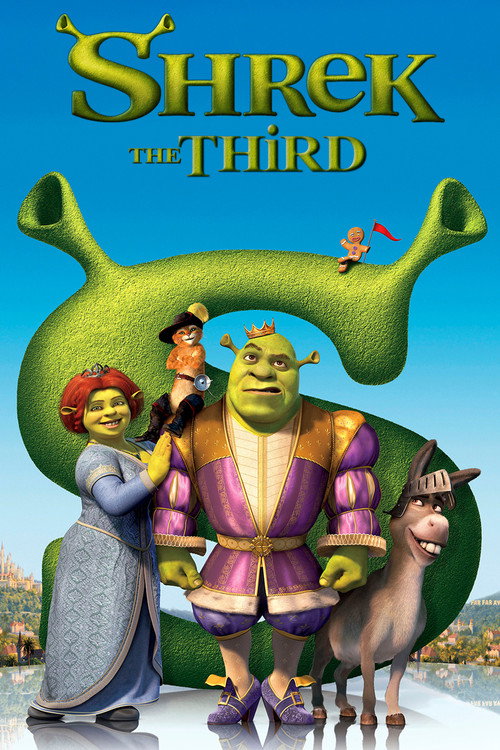
Shrek the Third

A cheerful, irreverent fairy-tale comedy about reluctant responsibility, where an ogre's swamp comfort is threatened by a crown, a baby on the way and a spurned prince.

Shrek the Third

Shrek the Third

"He's in for the royal treatment."

17 May 2007 United States of America 93 min 6.3 (10,045)

Director: Chris Miller

Cast: Mike Myers, Eddie Murphy, Cameron Diaz, Antonio Banderas, Julie Andrews

Animation Family Fantasy Comedy Adventure Fear of responsibility Identity and self-worth Friendship and loyalty Fairy-tale conventions subverted Family and legacy
Budget: $160,000,000
Box Office: $808,310,187

Overview

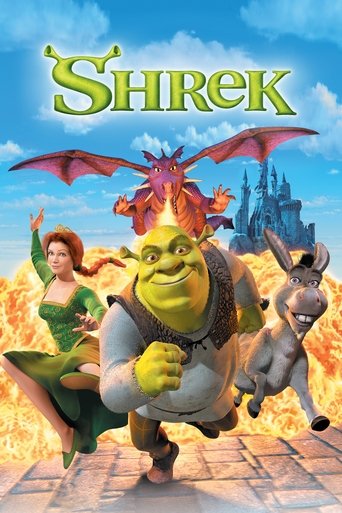
Shrek the Third (2007), directed by Chris Miller, continues the story of the ogre Shrek, voiced by Mike Myers, with Eddie Murphy, Cameron Diaz, Antonio Banderas and Julie Andrews returning. When King Harold falls ill, Shrek is named heir to the throne of Far Far Away. He wants only to go home to his swamp.

Shrek sets out with Donkey and Puss in Boots to find another heir, the teenage Artie. Meanwhile Princess Fiona and her mother, Queen Lillian, and friends deal with court life and a coming change in the family. The jilted Prince Charming plots his own comeback.

The film mixes fairy-tale parody, pop-culture jokes and slapstick. Underneath, it is about whether an unlikely hero can accept the roles other people expect of him.
Core Meaning

The film argues that worth is not decided by title, birth or reputation. Shrek fears he will be a bad king and a bad father. Over the course of the story he learns that leadership and parenthood come from caring about people, not from looking the part. Villainy, in turn, comes from entitlement and resentment, as Charming shows.

Thematic DNA

Fear of responsibility 30%
Identity and self-worth 25%
Friendship and loyalty 20%
Fairy-tale conventions subverted 15%
Family and legacy 10%

Fear of responsibility

Shrek resists the throne and dreads becoming a father, and much of the plot comes from that reluctance.

Identity and self-worth

Shrek, the insecure teenager Artie and the former hero-turned-villain Charming each struggle with who they are expected to be.

Friendship and loyalty

Donkey and Puss stay beside Shrek, and the women of the court act for themselves when it counts.

Fairy-tale conventions subverted

Princesses, villains and happy endings are all parodied, and the royal court is played as a high school.

Family and legacy

Fiona's parents, Shrek's coming fatherhood and the question of who inherits the kingdom all bear on this theme.

Character Analysis

Shrek

Mike Myers

Archetype: Reluctant hero reluctant to lead Key Trait: Gruff but warm-hearted

Motivation

To return to a quiet swamp life with Fiona.

Character Arc

He moves from fleeing duty to accepting care for others, and in doing so finds he can be a king and a father on his own terms.

Donkey

Eddie Murphy

Archetype: Loyal sidekick Key Trait: Talkative loyalty

Motivation

To support his friends.

Character Arc

He stays Shrek's steadfast friend throughout and supplies comic relief when things get tense.

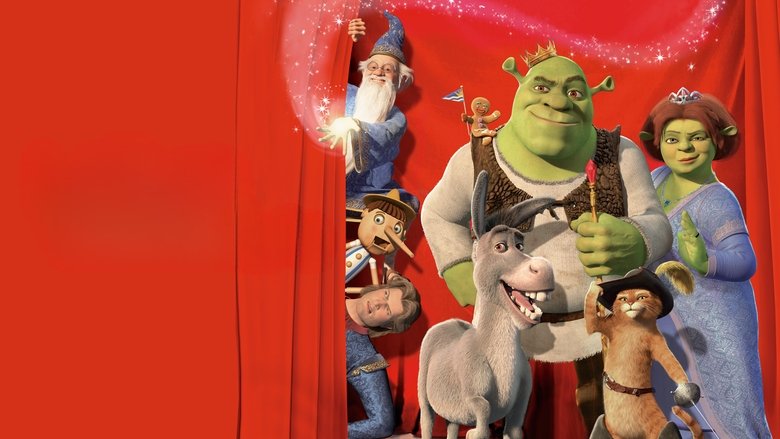
All 5 characters and cast

Symbols & Motifs

The crown

Meaning:

Expected duty and the burden of status.

Context:

Shrek is offered the crown and tries to hand it to someone else.

The swamp

Meaning:

Comfort, identity and the wish to avoid change.

Context:

Shrek keeps wanting to go home to it.

The high-school setting

Meaning:

Adolescent insecurity, cliques and the pressure to fit in.

Context:

Artie's school, where Shrek jokes about his stomach aching and his palms getting sweaty.

Charming's stage and costume

Meaning:

Performed heroism and vanity as opposed to real character.

Context:

Charming's theatrical villain scheme and his leotards, which Shrek teases him about.

Memorable Quotes

How can you be a reciever of the wedgies, when you are clearly not a wearer of the underpants?
— Puss in Boots

Context

Said by Puss in the film's comedic banter.

Meaning

A typical deadpan, absurd line.

Well, my stomach's aching and my palms just got sweaty. Must be a high school.
— Shrek

Context

Reply to Donkey when they arrive at Artie's school.

Meaning

Shows the film's teen-movie parody.

All 6 quotes

Philosophical Questions

What qualifies someone to lead?

Shrek rejects the throne because he thinks he lacks royal qualities. The story suggests that care for others matters more than lineage.

Can people escape the roles others assign them?

Shrek, Artie and Charming each push against expectations, with very different results.

How It Ends

Alternative Interpretations

The film can be read as a comic parable about anxiety over parenthood, with the kingdom as a stand-in for adult responsibility. Another reading takes it as a satire of princess and prince archetypes and of entitlement, with Charming as the clearest example.

Full ending explanation

Frequently Asked Questions

Explore More About This Movie

Dive deeper into specific aspects of the movie with our detailed analysis pages

Comments (0)

Leave a comment

No comments yet. Be the first to share your thoughts!

Similar Movies