Skip to content
Somebody
Drenched in chilly neon and clinical detachment, this psychosexual noir captures the quiet terror of human isolation—resembling two fractured mirrors attempting to embrace, only to shatter into sharp, lethal splinters.
Somebody

Somebody

썸바디

18 November 2022 — 18 November 2022 South Korea 1 season 8 episode Ended 6.9 (105)

Cast: Kim Young-kwang, Kang Hae-lim, Kim Yong-ji, Kim Su-yeon, Kim Byung-nam

Drama Crime Mystery Existential Alienation and the Longing for True Connection The Perils of Algorithmic Intimacy and Surveillance Marginality, Ableism, and Invisible Social Violence Morality as a Social Construct vs. Primal Survival

Overview

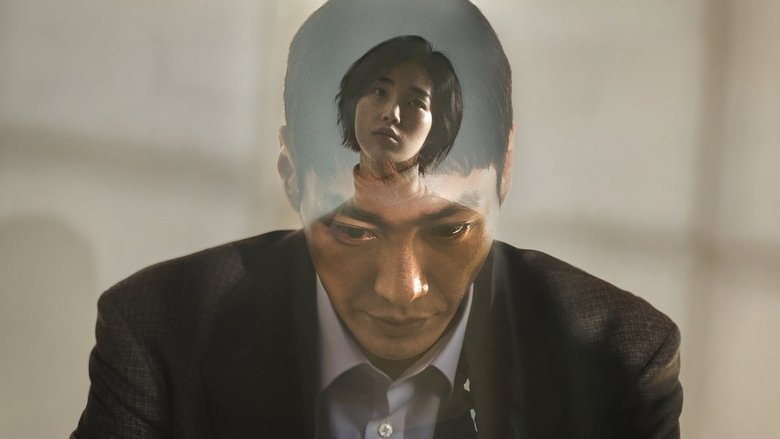
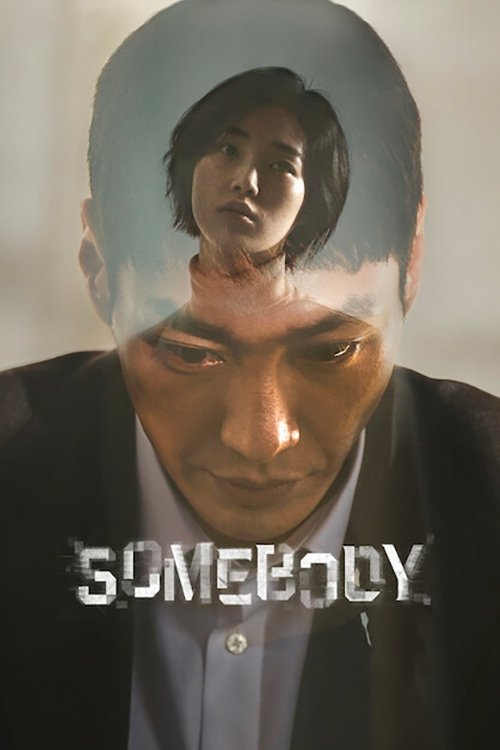
Somebody (2022) is an eight-episode psychological crime melodrama directed by veteran filmmaker Jung Ji-woo and co-written with Han Ji-wan. The narrative centers on Kim Sum (Kang Hae-lim), a gifted software developer with Asperger's syndrome who created the core algorithm for "Somebody," an omnipresent social connecting and dating application. Incapable of navigating conventional emotional bonds, Sum programs her AI to detect suppressed emotions and deleted keystrokes, inadvertently building an algorithmic haven for human desire, loneliness, and predation.

The story spirals into darkness when "Somebody" is linked to a string of violent crimes and murders across the Seoul metropolitan area. Enter Seong Yun-o (Kim Young-kwang), a charismatic, meticulous architectural interior designer whose external polish conceals a predatory sociopathy. Using fake profiles to stalk vulnerable women on the app, Yun-o crosses paths with Sum's close circle, including Yeong Gi-eun (Kim Su-yeon), a cybercrime police officer with paraplegia, and Im Mok-won (Kim Yong-ji), a modern queer shaman.

Rather than a standard police procedural, the series unfolds as a high-stakes study of alienation and attraction. When Sum and Yun-o encounter one another, their shared detachment from social norms sparks an obsessive, dangerous intimacy. As Gi-eun and Mok-won race against time to expose the predator, Sum finds herself torn between the intoxicating sensation of being fully perceived by an equal and the cold, escalating threat he poses to her fragile world.
Core Meaning

At its core, Somebody examines the modern paradox of digital hyper-connectivity breeding radical existential loneliness. Director Jung Ji-woo framed the production as an eccentric melodrama disguised as a crime thriller. The creators explore how individuals with distinct marginalities—neurodivergence, physical disability, queer identity, and sociopathy—navigate a society that enforces emotional and behavioral conformity.

The series posits that the human drive to be understood ("somebody to lean on") is so primal that it can supersede conventional morality, logic, and self-preservation. Yet, it delivers a sobering verdict: technology does not resolve alienation; it merely catalogs our vulnerabilities, turning loneliness into a hunting ground where connection and self-destruction become indistinguishable.

Thematic DNA

Existential Alienation and the Longing for True Connection 30%
The Perils of Algorithmic Intimacy and Surveillance 25%
Marginality, Ableism, and Invisible Social Violence 25%
Morality as a Social Construct vs. Primal Survival 20%

Existential Alienation and the Longing for True Connection

Sum and Yun-o represent two ends of emotional otherness—one struggles to generate social affect, the other simulates it to hunt. Both are fundamentally alone until they find someone who strips away their performative facades.

The Perils of Algorithmic Intimacy and Surveillance

The "Somebody" app records what users type and delete, commodifying unspoken desires. The show exposes how platforms built to bring humans together inevitably weaponize intimacy, allowing predators to tailor digital personas for manipulation.

Marginality, Ableism, and Invisible Social Violence

Through characters living with neurodivergence (Sum), physical disability (Gi-eun), and alternative spiritual/queer lifestyles (Mok-won), the show highlights how everyday Korean society overlooks, infantilizes, or endangers marginalized individuals.

Morality as a Social Construct vs. Primal Survival

Sum operates without standard neurotypical moral conditioning. Her judgment of Yun-o is not driven by righteous indignation, but by a detached calculus of belonging, boundary violations, and survival.

Character Analysis

Kim Sum

Kang Hae-lim

Archetype: The Detached Savant / Anti-heroine Key Trait: Unflinching analytical coolness

Motivation

To find someone who comprehends her internal logic without requiring her to perform neurotypical normalcy.

Character Arc

Starts as a reclusive, hyper-rational coder whose sole confidant is an AI. As she engages with Yun-o, she experiences sexual and emotional awakening, only to confront the lethality of her desires and ruthlessly protect her boundaries.

Seong Yun-o

Kim Young-kwang

Archetype: The Psychopathic Shadow / Predatory Charmer Key Trait: Chilling predatory discipline masking deep existential longing

Motivation

To exert absolute dominance over his prey while yearning to be genuinely known and accepted by a true equal.

Character Arc

Begins as a composed serial predator living a double life as an architect. When he meets Sum, his predatory detachment morphs into an obsessive, genuine vulnerability that leads to his own undoing.

All 4 characters and cast

Symbols & Motifs

The Box Cutter / Utility Knife

Meaning:

Represents precise, surgical detachment. It is Sum’s tool of practical creation and ultimately her instrument of absolute judgment and execution.

Context:

Employed by Sum as a practical tool during her work and crafting, and subsequently wielded in the climax to execute Yun-o.

The Chatbot "Someone" / Deleted Keystrokes

Meaning:

The bot stores thoughts users write and erase before sending. It symbolizes the "shadow self"—the genuine, suppressed thoughts that society forces individuals to conceal.

Context:

Integrated into the core algorithm of the app to record unexpressed keystrokes and private user prompts.

The Abandoned Reservoir / Pit

Meaning:

Serves as a physical manifestation of vulnerability, societal neglect, and the cruelty inflicted on those stripped of mobility.

Context:

The construction ditch where Yun-o traps and abandons Gi-eun without her wheelchair.

The Shamanic Ritual (Gut)

Meaning:

Counters the cold digital logic of the app, invoking ancient spiritual practices to exorcise modern demons born of technology and violence.

Context:

Performed by Mok-won to divine the identity of the assailant pursuing their circle.

Unfinished Architectural Concrete

Meaning:

Mirrors Yun-o’s sterile internal world—a facade of high elegance masking hollow emptiness.

Context:

Present in Yun-o’s design projects, composed of bare concrete, glass, and stark voids.

Memorable Quotes

사랑이 뭐야? ... 누군가 나를 깊이 아껴주는 것.
— Kim Sum & the AI Chatbot "Someone"

Context

In Episode 1, young Sum inputs existential queries into her nascent code.

Meaning

The machine's cold, textbook definition of love sets the premise for Sum's calculated understanding of emotional reciprocity.

너도 나랑 같잖아. 넌 날 이해해.
— Seong Yun-o

Context

Delivered during their intimate confrontations in the middle of the season.

Meaning

Yun-o realizes Sum harbors an internal void and moral detachment mirroring his own, cementing their psychosexual bond.

All 3 quotes

Episode Highlights

Origins and Algorithms

S1E1

Establishes Sum’s upbringing, her Asperger’s diagnosis, the development of the "Someone" chatbot, and its commercialization into the dating platform by Spectrum.

Significance:

A foundational chapter introducing digital isolation and the birth of the system that drives the series.

The Predator’s Routine

S1E2

Seong Yun-o’s methodical killings and meticulous cover-ups are revealed in stark contrast to his pristine architectural work.

Significance:

Marks the first intersection between Yun-o's digital presence and Sum's system.

The Abandonment Pit

S1E3

Yeong Gi-eun matches with Yun-o on "Somebody" and goes on a date, only for Yun-o to abandon her disabled body in an isolated demolition reservoir.

Significance:

A gut-wrenching turn that shifts the series into an active investigation led by Gi-eun.

Uncanny Kinship

S1E5

Sum and Yun-o meet directly. Rather than recoiling from his darkness, Sum’s lack of normative emotional conditioning creates a magnetic, psychosexual connection.

Significance:

Fundamentally blurs the line between predator and prey by aligning the two protagonists.

Spiritual Confrontation

S1E6

Mok-won performs an intense shamanic ritual to divine the identity of Gi-eun's attacker.

Significance:

Brings the supernatural intuition of shamanism into direct conflict with Yun-o's cold, calculating malice.

The Final Cut

S1E8

Lured to a remote construction site, Yun-o faces Sum. Sum blinds and kills Yun-o with a box cutter.

Significance:

Serves as the series finale where an act of intimate murder and survival allows Sum to return calmly to her ordinary digital world.

Philosophical Questions

Can authentic love exist between two individuals who lack standard emotional empathy?

Explored through the magnetic, psychosexual relationship between Sum and Yun-o, examining whether their recognition of each other's inner void constitutes genuine love or shared pathology.

Does digital connectivity cure isolation, or merely provide tools to camouflage and commercialize it?

Analyzed via the architecture of the "Somebody" app, which records repressed keystrokes and monetizes vulnerability while enabling predatory behavior.

If human connection requires revealing one’s darkest instincts, is true intimacy fundamentally perilous?

Demonstrated by the lethal dynamic between the leads, where total vulnerability and mutual recognition culminate in inevitable physical destruction.

Alternative Interpretations

The Sovereign Protector Reading: Sum kills Yun-o not out of conventional moral justice, but because he crossed an existential boundary by attacking her friends and threatening her autonomous space. By executing him, she asserts herself as the ultimate controller of her world.

Full ending explanation

Cultural Impact

Somebody emerged during a period of intense public discourse in South Korea concerning digital sex crimes, dating app violence, and the legacy of the "Nth Room" illicit cyber rings. Unlike classic Korean crime dramas that champion vigilant police forces, Somebody presents institutional justice as slow, bureaucratic, and largely ineffective against sophisticated cyber predators.

The show provoked discussion for its explicit depiction of sexuality, disability, and queer identity—elements rarely woven together into mainstream K-dramas. While not a ratings blockbuster, it achieved cult status for pushing K-drama storytelling into uncompromising neo-noir territory.

Audience Reception

Critically, Somebody polarized reviewers. Critics at Busan and international publications praised Jung Ji-woo’s moody direction, sleek cinematography, and the subversive performances of Kim Young-kwang and Kang Hae-lim.

Mainstream viewers, however, were sharply divided. Many found the pacing deliberate and the characters’ motivations confusing or frustratingly amoral—particularly Sum’s romantic liaison with a man she knew was a killer. The graphic sex scenes and unflinching violence alienated audiences accustomed to traditional melodrama. Despite this, it remains respected among psychological thriller devotees for its bold auteur vision.

Interesting Facts

  • Kang Hae-lim won the lead role of Kim Sum after competing against approximately 600 applicants, impressing director Jung Ji-woo with her unreadable facial expressions and distinct vocal cadence.
  • Jung Ji-woo, a decorated film auteur (Happy End, A Muse / Eungyo), made his small-screen and episodic directing debut with Somebody to escape typical feature-film time constraints.
  • Kim Young-kwang, widely celebrated as a romantic comedy heartthrob, took on his first serial killer role, undergoing rigorous physical conditioning to embody an imposing, predatory physique.
  • The production consulted specialists and disabled advocates to authentically present Gi-eun's customized driving mechanisms, wheelchair handling, and the daily barriers faced by people with paraplegia in South Korea.
  • The first three episodes received an exclusive premiere at the 27th Busan International Film Festival in October 2022 in the "On Screen" section, generating buzz for its graphic eroticism and violence.

Easter Eggs

Nod to American Psycho

Yun-o’s pristine aesthetic discipline, corporate day job, obsession with architecture, and hidden double life are modeled on Bret Easton Ellis’s Patrick Bateman.

Analog Arcade Contrast

Sum's origins in an analog arcade—rigging gaming machines—foreshadows her ability to master and manipulate algorithms long before creating artificial intelligence.

The Name "Sum" (섬)

In Korean, "Seom" (섬) translates directly to "Island," serving as a deliberate metaphor for her emotional isolation and self-contained universe within society.

Shamanic Symbolism

The general spirit (Sinjang) statues in Mok-won’s shrine, which Yun-o destroys, reflect his disdain for karmic, ancestral, and spiritual retribution.

Frequently Asked Questions

Explore More About This Movie

Dive deeper into specific aspects of the movie with our detailed analysis pages

Comments (0)

Leave a comment

No comments yet. Be the first to share your thoughts!

Similar Movies