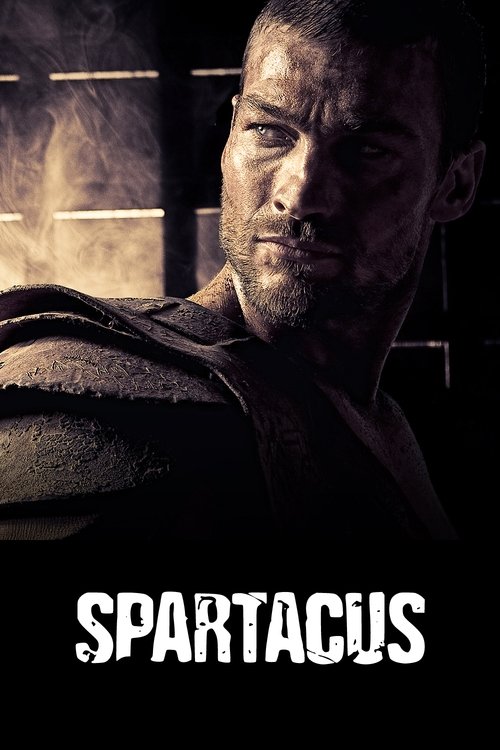
Season 1 — Blood and Sand. The Thracian is betrayed by the Roman legatus Glaber, condemned to the arena and renamed Spartacus. His driving hope — reunion with his wife Sura — is engineered and destroyed by his own master: Batiatus arranges her death while pretending to buy her freedom, keeping his champion motivated and obedient. The revelation is the hinge of the series, because it exposes that everything Spartacus fought for in the ludus was a fiction sold to him by the man who owned him. In the finale, Kill Them All, the gladiators rise during a household celebration and butcher their owners and guests; Batiatus dies asserting that he made Spartacus into something, and is answered with \"And now you are destroyed by it.\" Crixus, having discovered the depth of the house's dishonour, joins the revolt. Lucretia is stabbed while pregnant and left for dead — and survives.
Gods of the Arena (prequel). Set five years earlier, it reveals how the House of Batiatus clawed its way up: the ambition, the murders, the sacrifice of Batiatus' own father's legacy, and the making of Gannicus, the champion who won his freedom and never wanted it. Watched after season one, it converts the villains into tragic figures whose destruction was authored by their own climb.
Season 2 — Vengeance. Spartacus is now played by Liam McIntyre; the escaped rebels are fugitives building a force in the countryside. Lucretia, mad or feigning madness, is used by Glaber as a supposed prophetess. Naevia is recovered from the mines, broken by systematic abuse, and her recovery drives Crixus toward absolutism. Ilithyia's pregnancy and her poisonous entanglement with Lucretia culminate in the finale, Wrath of the Gods: after a mountain battle and the storming of the rebel position, Spartacus kills Glaber — completing his personal vengeance with two seasons still to be paid for — while Lucretia, having taken Ilithyia's newborn, kills Ilithyia and then walks off the cliff of the villa to her death, closing the House of Batiatus permanently. Spartacus emerges with an army and no personal grievance left, which is exactly what forces him to fight for something larger.
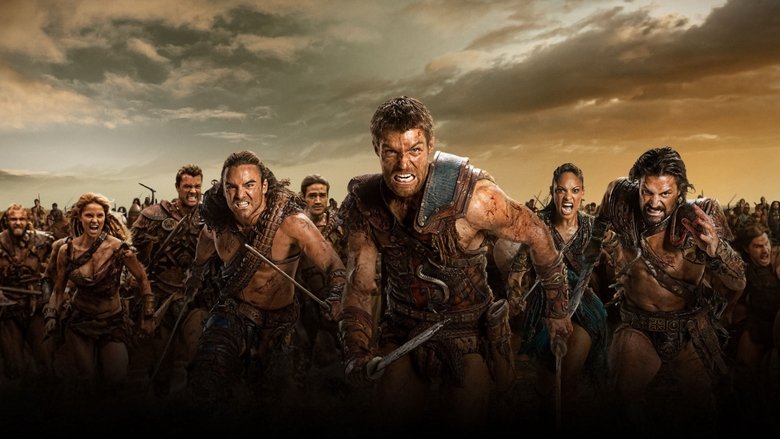
Season 3 — War of the Damned. Rome sends Marcus Crassus, its wealthiest man, along with a young Julius Caesar. Crassus is deliberately written as formidable and rational rather than sadistic, and his relationship with his own household and son becomes the season's mirror of Spartacus' leadership. The rebels take a city and try to govern it; the ideological split widens between Spartacus, who wants his people out of Italy and free, and Crixus, who wants Rome destroyed. The split becomes literal: Crixus leads a portion of the army toward Rome, is defeated, and is beheaded by Caesar. Naevia is killed by Crassus. In The Dead and the Dying, Rome forces captured rebels into gladiatorial games as an answer to the rebels' earlier defiance, and Gannicus is among those taken — the arena reclaiming its champions one last time.
The finale — Victory. The outnumbered rebels attack in a last attempt to win freedom. Spartacus meets Crassus in single combat and proves himself the better man — and then is brought down not by any principal character but by the spears of several anonymous legionaries. That staging is the whole point, and the meaning becomes clear only in retrospect: the campaign always won its personal victories through sheer force of will and was always going to be crushed by Rome's numbers and organization. Gannicus dies crucified, granted a dying vision of the arena and the roaring crowd he could never stop loving. Crassus crucifies the captured rebels along the Appian Way between Rome and Capua. Yet Spartacus dies among his people, having secured the escape of a remnant — including Agron and the survivors — over the mountains, and is buried under his true name, spoken at last. The hidden meaning of the title: victory is not the battle, which is lost absolutely, but the fact that free people exist beyond it and that the name on the makeshift grave marker is a legend Rome cannot execute.