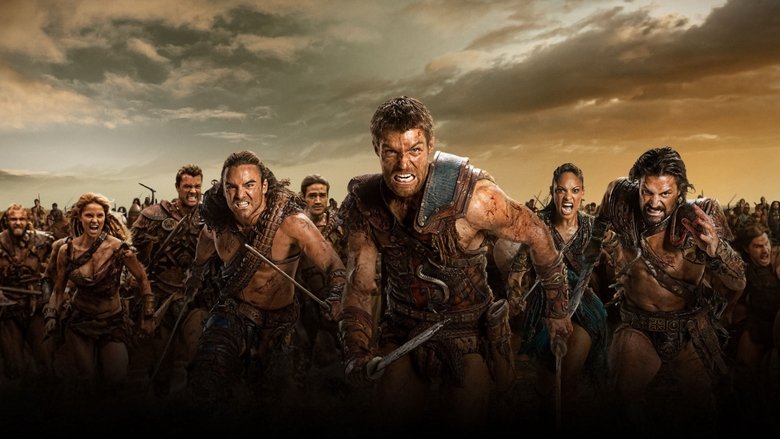
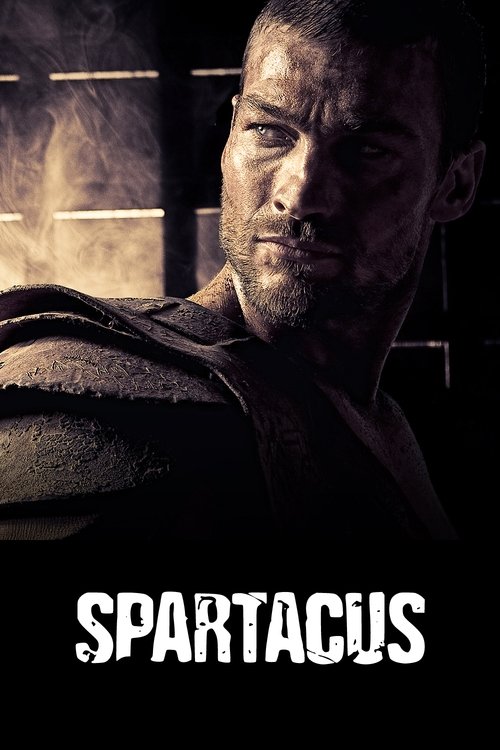
Spartacus begins in the ludus of Capua, where a Thracian warrior — betrayed, stripped of his name and sold into slavery — is remade into a gladiator for the amusement of Rome. Premiering on Starz on January 22, 2010, the first season, Blood and Sand, is a claustrophobic story of survival: sand, chains, brotherhood forged between men trained to kill one another, and the poisonous ambitions of the household that owns them. What starts as one man's desperate search for his wife slowly hardens into something far larger than personal grievance.
The franchise then widened. The six-episode prequel Gods of the Arena stepped back five years to chart the rise of the House of Batiatus and the gladiatorial business itself, while Vengeance follows the escaped slaves as a ragged band of fugitives learning that freedom won is not freedom kept. The final season, War of the Damned, which aired from January 25 to April 12, 2013, escalates the story to open warfare: a slave army numbering in the tens of thousands against the disciplined legions of the Roman Republic, commanded by the wealthiest man in Rome.
Across its run the series traces a single transformation — from slave to gladiator, from gladiator to rebel, from rebel to the leader of a movement — while never letting the audience forget the cost. It is a story about power and freedom told in the register of grand opera: extravagant violence, archaic and inventive profanity, political scheming among Romans who consider cruelty a form of good taste, and a growing conviction that a life without choice is not a life at all.

Comments (0)
No comments yet. Be the first to share your thoughts!