Skip to content
Suits
In a razor-sharp corporate legal drama infused with high-stakes adrenaline and fiercest loyalty, tailored silk suits clash like modern armor in a pristine glass castle, where brilliant minds gamble everything on secret truths.
Suits

Suits

"Two lawyers. One degree."

23 June 2011 — 25 September 2019 United States of America 9 season 134 episode Ended 8.2 (5,845)

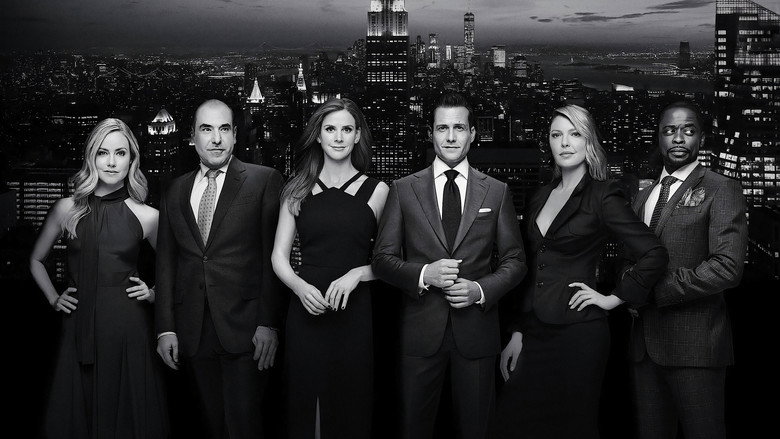
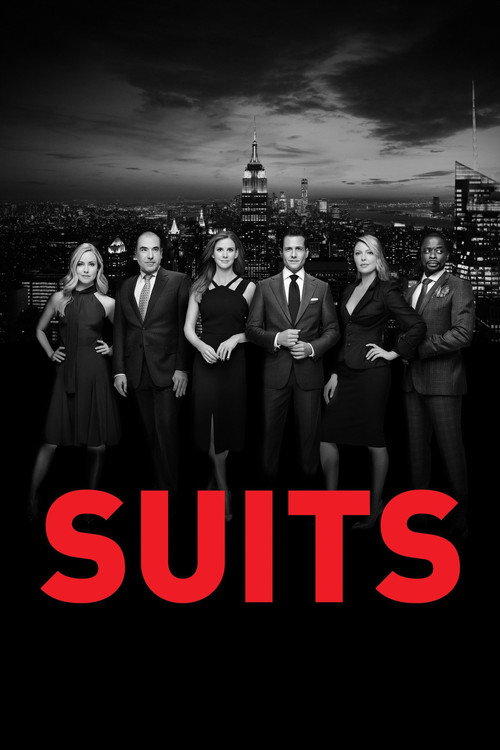
Cast: Gabriel Macht, Rick Hoffman, Sarah Rafferty, Patrick J. Adams, Meghan, Duchess of Sussex

Drama Loyalty vs. Professional Self-Interest The Definition of Legitimacy and Worth Found Family and Healing Childhood Trauma Ambition, Power, and the Illusion of Armor Legal Ethics vs. Moral Justice

Overview

Suits is a stylish, high-tempo American legal drama created by Aaron Korsh that unfolds within the ruthless, high-stakes corridors of corporate law in Manhattan. The core premise centers on Harvey Specter, New York City’s premier corporate closer, who makes a daring and illegal decision to hire Mike Ross—a brilliant college dropout possessing an eidetic (photographic) memory and razor-sharp street smarts—as his legal associate at the elite law firm Pearson Hardman. The key catch driving the series is that Pearson Hardman exclusively hires Harvard Law School graduates, and Mike has never attended law school nor holds a license to practice law.

Across nine seasons and 134 episodes, the narrative evolves far beyond a simple case-of-the-week legal procedural. The overarching storyline tracks the intense psychological chess match of maintaining Mike’s dangerous secret while defending corporate titans, navigating brutal internal firm takeovers, and battling ruthless rival attorneys. As the law firm undergoes constant rebrands, existential threats, and leadership shifts, the core group—Harvey, Mike, managing partner Jessica Pearson, top paralegal Rachel Zane, genius executive secretary Donna Paulsen, and the neurotic, deeply passionate partner Louis Litt—forms an inextricably bound surrogate family.

Ultimately, Suits chronicles a nine-season journey of personal transformation. It transitions from a story about two men engaging in a thrilling legal high-wire act into an exploration of identity, morality, systemic justice, and redemption, as each character is forced to choose between personal ambition and unconditional loyalty to one another.

Core Meaning

The fundamental meaning of Suits lies in the idea that true human value and moral justice supersede institutional credentials, corporate power, and the illusion of winning at all costs. Throughout its nine seasons, the show uses the physical 'suit'—the impeccably tailored designer armor worn by high-powered attorneys—as a metaphor for the psychological shields people construct to hide their vulnerabilities, trauma, and fear of emotional connection.

Creator Aaron Korsh and the writing team craft a narrative arc showing that while corporate prestige and technical perfection may deliver professional victories, genuine fulfillment and strength stem from vulnerability, personal integrity, and chosen family. Mike Ross enters the firm as an fraud without credentials, yet his empathy constantly challenges Harvey Specter’s cynical, emotionally detached philosophy. Over time, their dynamic morally transforms the entire firm, proving that rules and prestige are hollow without ethical heart and unconditional loyalty.

Thematic DNA

Loyalty vs. Professional Self-Interest 30%
The Definition of Legitimacy and Worth 25%
Found Family and Healing Childhood Trauma 20%
Ambition, Power, and the Illusion of Armor 15%
Legal Ethics vs. Moral Justice 10%

Loyalty vs. Professional Self-Interest

Loyalty is the central currency of the series. Introduced in Season 1 when Harvey risks his own career to hire and protect Mike, this theme evolves into the firm's foundational ethos. Characters are repeatedly tested through backstabbing partners (Daniel Hardman), hostile takeovers, federal investigations, and disbarment threats. The series demonstrates that while self-interest yields short-term tactical advantages, absolute loyalty to one’s inner circle is the only defense against total destruction.

The Definition of Legitimacy and Worth

The show constantly questions what makes a person 'legitimate'. Is it a diploma from Harvard Law School, or is it actual intellect, character, and moral courage? Mike Ross possesses unmatched legal acumen but lacks institutional credentials; Rachel Zane struggles with test anxiety despite being the firm’s most competent paralegal; Louis Litt possesses financial genius but feels perpetually inferior due to lack of social charm. Across all seasons, characters learn to define their self-worth through their actions rather than formal titles.

Found Family and Healing Childhood Trauma

Almost every main character enters the series emotionally damaged by their past. Harvey suffers deep trust issues due to his mother’s infidelity; Mike carries the grief of losing his parents at a young age; Louis suffers from deep-seated insecurities rooted in childhood bullying. Pearson Hardman/Pearson Specter Litt functions as a surrogate family unit where these flawed individuals learn to heal, trust, forgive, and love one another.

Ambition, Power, and the Illusion of Armor

Power in Suits is initially portrayed through outward markers: $12,000 Tom Ford suits, corner offices with panoramic Manhattan views, and name partner titles on the wall. As the series progresses, these status symbols are exposed as emotional shields. The characters' long-term development involves shedding this visual armor to embrace therapy, romantic vulnerability, and genuine human connection.

Legal Ethics vs. Moral Justice

The series frequently highlights the conflict between legal technicalities and true morality. Harvey and Mike often cross procedural red lines, manipulate technical loopholes, or bluffs opponents to achieve moral outcomes for victims. The show forces its audience to contemplate whether breaking an unjust legal system to protect human lives is morally justified.

Character Analysis

Harvey Specter

Gabriel Macht

Archetype: The Maverick / Mentoring Alpha / Flawed Hero Key Trait: Unshakeable confidence masking deep personal loyalty.

Motivation

Evolves from maintaining an 'undefeated' legal record and personal invulnerability to protecting his family and fighting for moral truth.

Character Arc

Begins as an emotionally closed-off, arrogant corporate closer who avoids personal attachments. Hiring Mike opens his heart. Over nine seasons, Harvey battles severe panic attacks, seeks therapy, reconciles with his estranged mother, accepts his love for Donna, and ultimately gives up corporate prestige to run a legal aid firm in Seattle.

Mike Ross

Patrick J. Adams

Archetype: The Gifted Prodigy / Underdog Impostor Key Trait: Eidetic memory paired with deep empathy.

Motivation

Evolves from personal survival and proving his brilliance to using his gifts for social justice.

Character Arc

Starts as a directionless, pot-smoking genius taking LSATs illegally for cash. After becoming Harvey's associate, he struggles with extreme guilt over his fraud. He undergoes a grueling trial, serves time in federal prison, earns legitimate admission to the Bar, and becomes a principled champion for everyday people.

All 5 characters and cast

Symbols & Motifs

The 'Can Opener' Pre-Trial Ritual

Meaning:

It symbolizes their unspoken intimacy, private language, and absolute trust.

Context:

A mysterious pre-trial ritual performed exclusively between Harvey and Donna before major court appearances, involving a can opener and a handful of thumbtacks.

Bespoke Tailored Suits & Ties

Meaning:

Harvey’s structured, peak-lapel suits represent unyielding power and emotional detachment, whereas Mike’s early slim-fit suits and skinny ties symbolize his youthful illegitimacy and vulnerability. Wardrobe shifts throughout the show track character growth.

Context:

Worn by characters throughout the series as personal armor and status markers in high-powered corporate legal settings.

The Firm's Name Wall (Letterhead)

Meaning:

The physical and legal manifestation of power, ambition, and identity. As the firm name changes continuously (Pearson Hardman to Pearson Specter to Pearson Specter Litt to Zane Specter Litt Wheeler Williams), the wall symbolizes the impermanence of corporate status compared to personal bonds.

Context:

Featured prominently in the firm's lobby and legal letterheads as leadership power shifts.

Movie and Pop Culture References

Meaning:

Fast-paced film quotes serve as a secret dialect between Harvey and Mike, signifying intellectual parity, mutual respect, and hidden affection beneath tough exteriors.

Context:

Dueling quotes from The Godfather, A Few Good Men, Top Gun, and other films used during intense conversations.

Mud Bathing ('Mudding')

Meaning:

Represents his deep desire for emotional restoration, clarity, and relief from corporate stress.

Context:

Louis Litt’s beloved wellness ritual performed at luxury spas.

Harvey’s Vinyl Record Collection

Meaning:

Represents Harvey’s connection to his musician father, serving as an oasis of genuine emotion and artistic soul within a cold corporate world.

Context:

Housed in his high-rise office on a record player.

Memorable Quotes

That's the difference between you and me. You wanna lose small, I wanna win big.
— Harvey Specter

Context

Season 2, Episode 5 ('Breakdown').

Meaning

Captures Harvey's risk-tolerant, high-reward mindset and defines his aggressive legal strategy.

I don't play the odds, I play the man.
— Harvey Specter

Context

Season 3, Episode 13 ('Moot Court' context / series tagline).

Meaning

Highlights Harvey’s core philosophy that legal battles are won through human psychology rather than cold courtroom facts alone.

All 5 quotes

Episode Highlights

Pilot

S1E1

Harvey Specter hires brilliant college dropout Mike Ross, starting their illicit partnership.

Significance:

Sets up the primary premise and launches the core narrative conflict of the series.

High Noon

S2E10

Mike's grandmother dies, triggering deep emotional bonding as Harvey and Mike smoke pot together in a legendary bonding scene.

Significance:

Peaks the internal corporate war with Daniel Hardman and deepens the core bond between the leads.

This Is Rome

S4E10

Louis Litt uncovers Mike's secret after realizing Mike never received a Harvard order-of-the-coif key.

Significance:

Louis uses his discovery to force Jessica to make him Name Partner ('Pearson Specter Litt').

Faith

S5E10

Mike decides to quit to protect his loved ones, but is arrested by federal agents in the closing seconds.

Significance:

Mid-season finale exploring Harvey's childhood trauma via therapy flashbacks and initiating the criminal trial arc.

25th Hour

S5E16

Mike takes a plea deal accepting a two-year federal prison sentence to protect Harvey and the firm.

Significance:

Season 5 finale marking a dramatic turning point for the entire series.

Character and Fitness

S6E16

Mike stands before the Bar committee, and with Jessica Pearson making a surprise return to testify, Mike is officially sworn in as a fully licensed attorney.

Significance:

Resolves Mike's status as a fraudulent practitioner and grants him full legal legitimacy.

One Last Con

S9E10

The team pulls off one final legal trick to depose tyrant Special Master Faye Richardson. Features Louis' wedding, Harvey and Donna’s surprise marriage, and Harvey leaving NYC to join Mike in Seattle.

Significance:

The emotional series finale that concludes the narrative arcs of all main characters.

Philosophical Questions

Does true competence stem from formal credentials or innate ability and moral integrity?

Explored through Mike Ross outperforming Harvard graduates despite lacking a law degree.

Is it morally permissible to break procedural laws to achieve substantive human justice?

Explored through Deontological vs. Utilitarian ethics as Harvey and Mike falsify leverage to save innocent clients.

Can extreme ambition and professional excellence co-exist with emotional vulnerability and love?

Explored through Harvey's panic attacks, Donna's career demands, and Louis' journey in therapy.

What defines true loyalty when professional duty clashes with personal ethics?

Explored when characters are forced to choose between perjury for a friend or total honesty to the legal system.

Alternative Interpretations

The Systemic Critique Reading: This perspective argues that Suits is an indictment of modern corporate institutions. The show demonstrates that elite law firms operate through technical manipulation, immense wealth, and intimidation, where a genius without a piece of paper (Mike) is treated as a criminal, while corporate titans commit far worse crimes under the protection of the law.

Full ending explanation

Cultural Impact

Suits premiered in June 2011 during USA Network’s 'Blue Sky' era, known for optimistic, character-driven procedurals. However, Suits adopted a slicker tone, darker serialized narrative arcs, and higher-stakes drama, paving the way for cable television’s transition toward peak prestige serials.

Suits redefined modern corporate power-dressing trends in fashion. Its streaming explosion in 2023 demonstrated the enduring power of long-form procedural comfort television, generating over 57 billion viewing minutes and becoming the most-streamed title of the year. This streaming dominance led NBCUniversal to greenlight a spin-off series, Suits: L.A. (created by Aaron Korsh, featuring Stephen Amell), extending the show's pop-culture legacy.

Audience Reception

Audiences consistently highlight the bromantic chemistry between Gabriel Macht (Harvey) and Patrick J. Adams (Mike) as the show's heart, praising their banter, film-quote exchanges, and master-apprentice dynamic as peak television highlights.

Rick Hoffman’s portrayal of Louis Litt is widely regarded as one of the most complex character performances on modern cable TV, evolving from a hated villain into a beloved fan favorite.

Critics and viewers point out narrative repetition in mid-seasons, relying heavily on formulaic beats such as characters slamming folders onto desks, shouting 'Goddammit!', or discovering vital case secrets at the last minute. Additionally, storylines like Season 4's investment banker arc and Donna’s Season 7 promotion to COO drew mixed reactions, though both were grounded in long-term character motivations.

Overall, Suits is celebrated as an addictive, highly rewatchable comfort drama that successfully blends fast-paced legal intellect, style, and genuine emotional heart.

Interesting Facts

  • Creator Aaron Korsh originally wrote the script based on his real-life experiences as an entry-level investment banker on Wall Street before pivoting to corporate law.
  • Although set in New York City, the series was filmed almost entirely in Toronto, Canada, using backlit photo backdrops for the NYC skyline views.
  • Gabriel Macht’s real-life father played Professor Henry Gerard, his wife played Zoe Lawford, and Patrick J. Adams’ wife played Claire Bowden.
  • Actor Rick Hoffman is severely allergic to cats in real life, requiring EpiPens and inhalers on set during scenes with Louis Litt's cat Mikado.
  • Meghan Markle retired from acting after Season 7 following her engagement to Prince Harry, Duke of Sussex.
  • Four years after its series finale, Suits experienced a massive resurgence on Netflix, generating over 57 billion viewing minutes in 2023.

Easter Eggs

Stephen Macht as Professor Gerard

Gabriel Macht’s real father playing a rigid Harvard ethics professor who clashes with Harvey created a meta-dynamic rooted in real father-son interactions.

Troian Bellisario as Claire

Patrick J. Adams' real-life wife played the attorney/social worker who knew Mike before his fake legal persona, serving as a threat to expose him.

Game of Thrones Actor Crossovers

Several major Game of Thrones actors recurred on Suits, including Michelle Fairley (Catelyn Stark on GoT, who played oil tycoon Ava Hessington in S3) and David Costabile (Daniel Hardman).

Real Athlete Cameos

Celebrity fans of the show made cameos playing themselves, including Olympic swimmer Michael Phelps (S3E11) and NBA Hall-of-Famer Charles Barkley (S5E3).

Harvey’s Office Cinema References

Original vintage movie posters and vinyl albums displayed in Harvey’s office subtly mirror the exact films (The Godfather, Serpico, Bullitt) that he and Mike quote during legal battles.

Frequently Asked Questions

Explore More About This Movie

Dive deeper into specific aspects of the movie with our detailed analysis pages

Comments (0)

Leave a comment

No comments yet. Be the first to share your thoughts!

Similar Movies