Skip to content
Tenzing

A reverent, wind-scoured biographical epic in which devotion outweighs ambition, an unhurried walk toward a sacred summit, where the mountain feels less like a prize than a goddess to be known.

Tenzing

Tenzing

"The ascent that made history."

09 October 2026 Australia 126 min 8.3 (204)

Director: Jennifer Peedom

Cast: Genden Phuntsok, Tom Hiddleston, Willem Dafoe, Samdrup Dorje Lama, Bhuchung Kata

Drama History Recognition and erasure Conquest versus reverence Class and colonial hierarchy Partnership and friendship Faith, love and loss

Overview

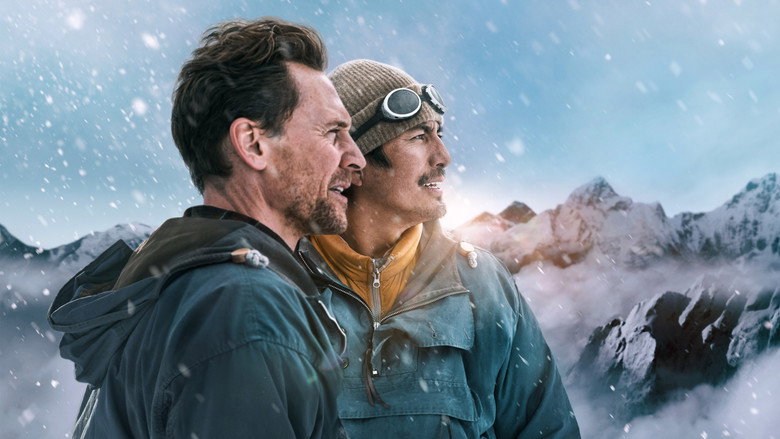
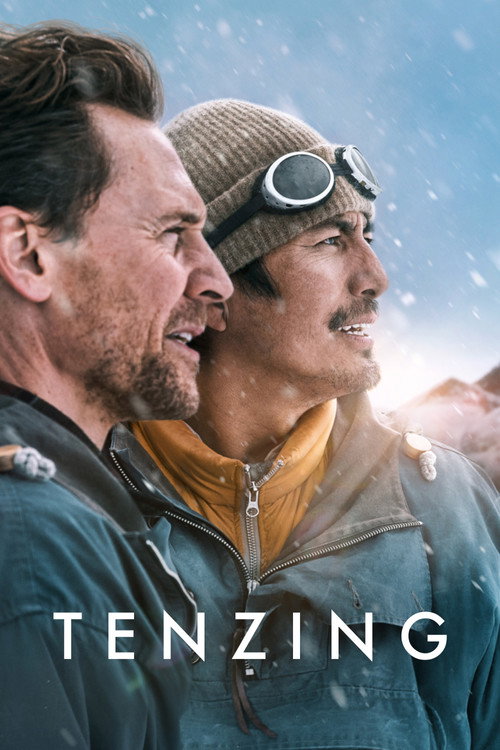
Tenzing (2026) is Jennifer Peedom's first narrative feature, written by Luke Davies and based on Ed Douglas's book Tenzing: Hero of Everest. It follows Sherpa mountaineer Tenzing Norgay (Genden Phuntsok). He is a yak herder's child who becomes obsessed with Everest, which he calls Chomolungma. The film shows his childhood, his love for his wife Dawa and the expeditions that kept bringing him back to the mountain.

The story centres on the 1953 British-led expedition under Colonel John Hunt (Willem Dafoe). Tom Hiddleston plays the New Zealander Edmund Hillary. Tenzing has more Everest experience than anyone else on the team, yet he fights to be treated as a climbing member and not just a porter. He negotiates class, colonial hierarchy and competing ambitions while forming a partnership with Hillary.

Peedom drew on more than two decades of filming in the Himalayas. She says she wanted to restore Tenzing's subjectivity, so that he is the protagonist of his own life and not a supporting figure in someone else's heroic story. Critics describe it as an adventure film with spiritual and emotional depth.
Core Meaning

The film corrects a familiar shorthand in which Hillary conquered Everest with a Sherpa's help. It argues that Tenzing had his own dream, his own expertise and his own spiritual relationship with the mountain. It sets a Western "conquest" mindset against a Himalayan view of the mountain as a sacred mother. In Tenzing's words, he climbs to know her better.

The film also holds that the summit was reached through mutual respect between two outsiders, not through rivalry over who stood there first. Its idea of greatness is one of partnership, humility and reverence.

Thematic DNA

Recognition and erasure 30%
Conquest versus reverence 25%
Class and colonial hierarchy 20%
Partnership and friendship 15%
Faith, love and loss 10%

Recognition and erasure

Tenzing is kept at the edges of the expedition and asks to climb as an equal. The film restores him to the centre of a story that Western retellings have often told with Hillary first.

Conquest versus reverence

Hunt speaks of a 'siege' and a 'battle' against Everest. Tenzing calls the mountain Chomolungma and treats it as sacred.

Class and colonial hierarchy

The Sherpa support crew are treated unequally and Tenzing has to walk a tightrope between them and Hunt. Even at the end, 'merit' does not mean who is best.

Partnership and friendship

Tenzing and Hillary save each other's lives on the mountain. The question of who reached the top first is deliberately never answered.

Faith, love and loss

Dawa's support, a bereavement that weighs on Tenzing, and a vision of his dead wife on the climb tie his faith to his ambition.

Character Analysis

Tenzing Norgay

Genden Phuntsok

Archetype: Hero Key Trait: Persistent and reverent

Motivation

To climb Chomolungma, a dream of his own and not someone else's, and to be treated as an equal.

Character Arc

He rises from a poor, sickly boy to a head Sherpa who insists on being a climbing member. He reaches the summit and keeps his humility.

Edmund Hillary

Tom Hiddleston

Archetype: Ally / fellow outsider Key Trait: Quiet and respectful

Motivation

To reach the summit, with Tenzing as his partner.

Character Arc

He starts as a quieter New Zealander on a British expedition. He becomes Tenzing's partner and lifelong friend.

All 5 characters and cast

Symbols & Motifs

Chomolungma / Everest

Meaning:

A sacred maternal presence, not an enemy or a trophy.

Context:

Tenzing uses the Tibetan name and says he climbs to know her better. Hunt frames the mountain in military terms.

The rope

Meaning:

The bond and interdependence between two men of different backgrounds.

Context:

Peedom describes the partnership as what each man brought to the rope. Each saves the other's life during the final climb.

'After you'

Meaning:

Equality and shared credit.

Context:

Near the summit each climber offers the other the lead, and they walk forward together.

Mallory's boots

Meaning:

Early inspiration and a passing of the dream from one generation of climbers to the next.

Context:

In an early sequence a ten-year-old Tenzing meets George Mallory and notices his sturdy boots. A review calls this scene dramatic licence.

Tenzing's final smile

Meaning:

Quiet fulfilment that doesn't depend on applause.

Context:

In the last shot he stands apart from the celebrating group, smiles up at the mountain and sighs contentedly.

Memorable Quotes

I climb to know her better.
— Tenzing

Context

Said gently when he explains that the British team's conqueror mindset will limit how far they go, as quoted by the RogerEbert.com review.

Meaning

Sums up his reverent view of the mountain, against the British idea of conquest.

Merits doesn't mean who is best.
— Tenzing

Context

He says it when he and Hillary are not Hunt's first choice for the summit. The line is as quoted in a Film Authority review.

Meaning

Names the unfairness of how the summit pair is chosen.

All 4 quotes

Philosophical Questions

Who owns a historic achievement?

Reaching the summit depended on a partnership, yet history assigns credit unevenly. The film shows how narratives decide who is the protagonist.

Is a mountain something to conquer or to know?

Hunt's military language contrasts with Tenzing's view of Chomolungma as a goddess mother. The film favours reverence.

Does merit alone decide who gets opportunity?

Tenzing observes that merit does not mean being the best. Class and colonial hierarchy shape who is allowed to try.

How It Ends

Alternative Interpretations

The ending that refuses to say who stepped first can be read as a fair compromise or as a dodge. Peedom has said the way the summit was shot was carefully considered, to represent the spirit of the achievement. Some read the closing shot of Tenzing apart from the crowd as quiet satisfaction. Others read it as a reminder that he still stands slightly outside the credit. The vision of his dead wife can be read as faith or as the mind under extreme hypoxia.

Full ending explanation

Cultural Impact

The film arrives 73 years after the 1953 ascent. It works against the long-standing habit of Western retellings of naming Hillary first and treating Sherpas as supporting figures. It shows the tensions of class and colonial power, and it presents the climbers as equals.

Critics' reactions were positive overall. Several praised its respectful, old-fashioned earnestness and its cinematography, and a few found it emotionally reserved. It won the audience award at the Mill Valley Film Festival.

Audience Reception

Audiences and critics praised Phuntsok's committed lead performance, the glorious cinematography by Stefan Duscio, the score, and the sense of reverence behind the film. Some felt the climbing itself is not especially thrilling. Metacritic quotes a reviewer who found the film competent and beautiful but struggling to resonate emotionally, and Far Out called it routine yet gorgeously shot. One viewer regretted that it went to streaming. Overall verdict: a respectful, well-made, stirring if conventional biopic that many viewers found long overdue.

Interesting Facts

  • Peedom's film is her first narrative feature, after documentaries including Sherpa. She has a close relationship with the Tenzing family and the Sherpa community.
  • Tenzing had earlier been in development at Netflix, with Higher Ground Productions once slated to produce. Apple TV+ won worldwide rights after a bidding war at the 2023 Cannes market.
  • Principal photography began in May 2025 in Kathmandu and the Everest region.
  • Mustang in Nepal doubled for the Khumbu region and Tenzing's early life, partly because of earthquake-related difficulties.
  • The filmmakers shot in real monasteries and had two hours to film two major scenes at Patan Durbar Square, an active place of worship.
  • The summit scenes were shot on Aoraki/Mount Cook in New Zealand. Snowy scenes were filmed in New Zealand and the snowless material in Nepal.
  • Tenzing's son Norbu Tenzing is an executive producer. He called Phuntsok the spitting image of his father.
  • Hiddleston did much of his own stunt work, and Peedom herself was roped to the mountain while directing.
  • Tenzing premiered at the Telluride Film Festival on September 4, 2026, and won the Mill Valley Film Festival audience award.

Frequently Asked Questions

Explore More About This Movie

Dive deeper into specific aspects of the movie with our detailed analysis pages

Comments (0)

Leave a comment

No comments yet. Be the first to share your thoughts!

Similar Movies