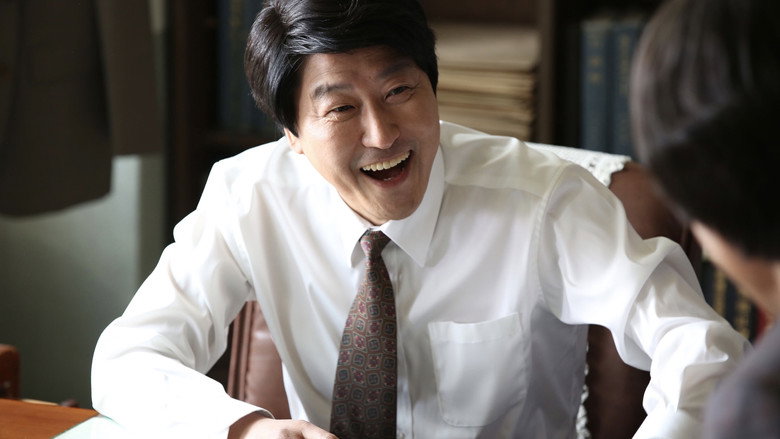
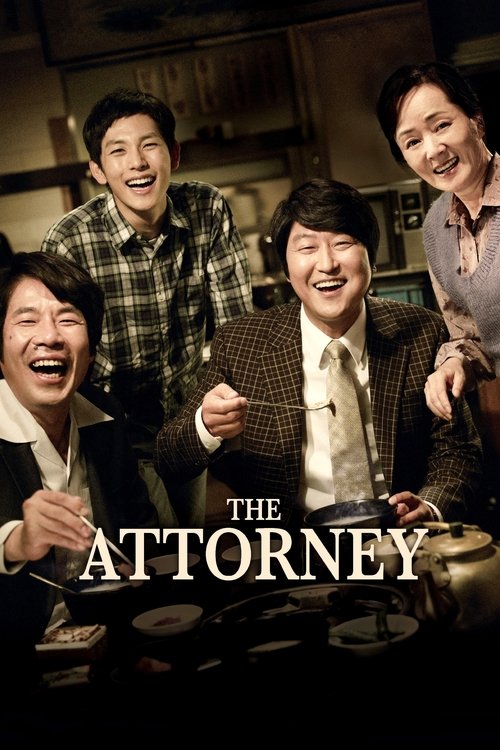
Song first takes the case after he visits Jin-woo in custody and sees that his confession was extracted by torture. At trial he cross-examines the police officer Cha Dong-young, who claims the state decides what is a security matter. Song replies with the constitution, saying the state is the people. He goes further and accuses the officer of serving only the military men who seized power by force. This is the film's emotional peak.
The trial does not end in a clean victory, because the court punishes the defendants anyway. The ending jumps to 1987. After the death of Park Jong-chul under torture, Song joins the memorial march and is arrested for incitement. Lawyers from across Busan appear to defend him, and the number of lawyers is large. The final scene shows the personal bond between Song and the people he fought for. The sequence links the 1981 case to the later fight for democracy and confirms that the film is about the birth of a human-rights lawyer.
What becomes clear on reflection is that the soup-bowl debt is the film's emotional engine, and that the constitution recited in two separate scenes is its moral engine. The ending also invites the audience to read Song as a stand-in for Roh Moo-hyun without the film saying so. That is where the critics' complaint about legend-making arises.