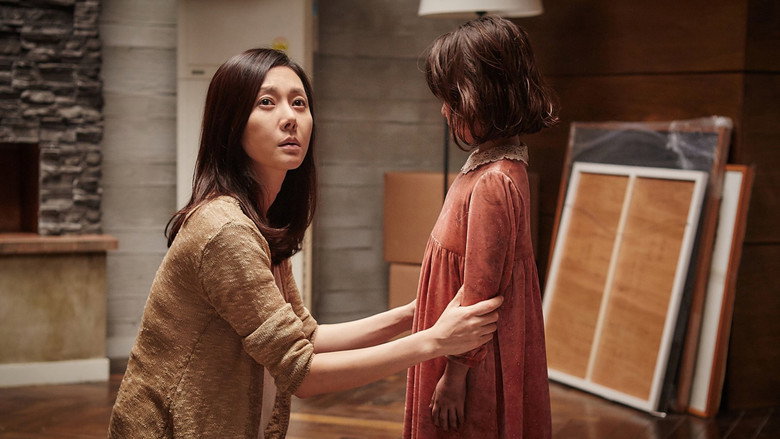
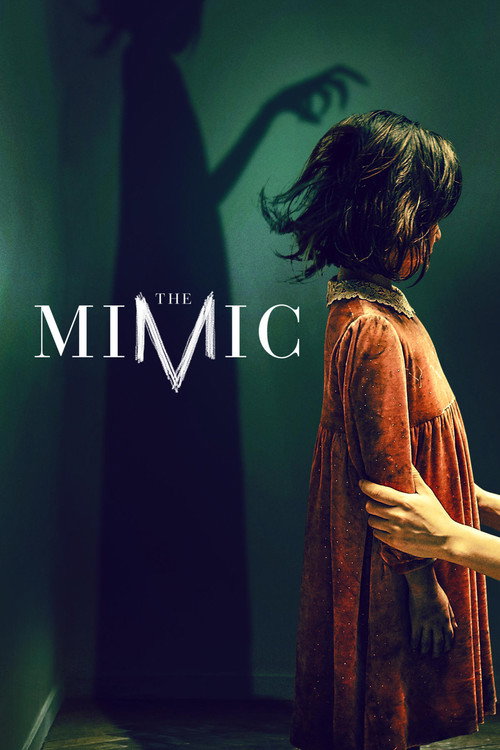
Spoilers follow. The opening shows a man walling a captive woman into the cave, setting up the mimic's lair. Hee-yeon takes in a girl found near it, who copies Jun-hee's name and voice. The man from the opening later develops eye trouble and hears voices, and he is killed by the entity. The detective learns that Mount Jang has many missing-person cases, all of whom heard dead loved ones before they vanished, and he finds an old photo of the same girl with a man.
The grandmother covers mirrors, then follows her sister's voice into the cave, and Min-ho disappears searching for her. A blind neighbor explains the legend. A shaman served the Jangsan Tiger for power, abused his daughter and sacrificed her, and now both father and daughter mimic voices to lure victims. Those who give in lose their sight.
The entity attacks Jun-hee, and the girl saves her. Hee-yeon locks Jun-hee in her room with a warning to trust no voice, then follows the girl into the cave, where she is told never to make a sound. She does make a sound and is attacked by the shaman's imitation. In the room of mirrors, Min-ho, already blind, appears and tries to get them out. Reviewers describe a final choice by Hee-yeon that reads as betrayal of the girl, followed by a horror-typical open ending. I could not verify every beat of the last scenes, so details of the final image are not described here.
The hidden meaning is that the voices exploit grief. Hee-yeon's refusal to let go, not the monster's strength, is what draws the family in.