The Notebook
A sweeping romantic drama where enduring love crashes against the shores of memory, painting a vivid picture of a passion that refuses to fade with time.
The Notebook

The Notebook

"Behind every great love is a great story."

25 May 2004 United States of America 123 min ⭐ 7.9 (12,140)
Director: Nick Cassavetes
Cast: Ryan Gosling, Rachel McAdams, Gena Rowlands, James Garner, Joan Allen
Drama Romance
Enduring Love vs. Time and Obstacles Memory and Identity Social Class and Choice Fate and Destiny
Budget: $29,000,000
Box Office: $115,600,000

Overview

Set in a nursing home, an elderly man named Duke (James Garner) reads a story from a worn notebook to a fellow resident (Gena Rowlands) who suffers from dementia. The story he reads recounts the passionate and tumultuous love affair between Noah Calhoun (Ryan Gosling), a poor lumber mill worker, and Allie Hamilton (Rachel McAdams), a wealthy heiress, during a summer in 1940s South Carolina.

Their idyllic romance is cut short by the disapproval of Allie's parents and the outbreak of World War II. They are separated for years, and both move on with their lives – Noah restores an old house they dreamed of, and Allie becomes engaged to a charming, wealthy soldier named Lon Hammond Jr. (James Marsden). However, when Allie sees a newspaper article about Noah and the house, she feels compelled to visit him, forcing her to confront her unresolved feelings and make a choice between the stable future she has planned and the passionate love she has never forgotten.

Core Meaning

The core meaning of "The Notebook" is the profound and unwavering belief in the enduring power of true love to transcend all obstacles, including social class, time, and even the devastating effects of memory loss. Director Nick Cassavetes sought to tell a story where love is depicted as a relentless, life-defining force, capable of creating miracles and providing an anchor for identity when memory fails. The central message is that a love deeply felt and fought for becomes a story powerful enough to bring someone back to themselves, even if only for a fleeting moment.

Thematic DNA

Enduring Love vs. Time and Obstacles 35%
Memory and Identity 30%
Social Class and Choice 20%
Fate and Destiny 15%

Enduring Love vs. Time and Obstacles

The central theme is the idea that true love is an indomitable force that can withstand separation, war, societal pressure, and even illness. Noah and Allie's love is tested by her parents' disapproval of his lower social standing, a seven-year separation with no contact (due to her mother hiding his letters), and Allie's engagement to another man. In the present-day timeline, this theme is amplified as Noah's unwavering devotion is expressed through his daily reading of their story to Allie, believing their love is strong enough to momentarily conquer her dementia.

Memory and Identity

The film intricately links memory to personal identity. The entire narrative is framed around the act of remembering. For the elderly Allie, who has lost her memories to Alzheimer's, the notebook is her only connection to her own life and identity. Noah's daily ritual is an attempt to spark her memory, suggesting that our stories and the love within them are the cornerstones of who we are. The moments when Allie briefly remembers are portrayed as miraculous resurgences of her true self, emphasizing the tragedy of losing one's personal history.

Social Class and Choice

A primary conflict in the film is the barrier created by social class. Allie is from a wealthy, aristocratic family, while Noah is a working-class country boy. Her parents' explicit disapproval of Noah is the catalyst for their separation. Allie's ultimate choice is not just between two men, Lon and Noah, but between two different lives: one of comfort, security, and social expectation versus one of passion, freedom, and authentic love. Her mother eventually confesses to having faced a similar choice, adding depth to this theme.

Fate and Destiny

The story suggests that Noah and Allie are destined to be together. Despite all odds and the passage of many years, circumstances bring them back into each other's lives. Noah's restoration of the Windsor Plantation is an act of faith in their destiny, and it is the very thing that brings Allie back to him. This theme reinforces the romantic ideal that soulmates will always find their way back to one another, no matter the obstacles placed in their path.

Character Analysis

Noah Calhoun

Ryan Gosling / James Garner

Archetype: The Romantic Hero / The Everyman
Key Trait: Devoted

Motivation

Noah's primary motivation is his all-consuming, unwavering love for Allie. From the moment he meets her, his actions are driven by the desire to be with her and make her happy. This singular focus fuels him to write 365 letters, restore a house, and, ultimately, dedicate his final years to helping her remember their life together.

Character Arc

Young Noah starts as a passionate, impulsive, and somewhat brooding mill worker. His love for Allie gives his life direction. After their separation and the trauma of war, he becomes more solitary and haunted, channeling all his energy into restoring the house as a monument to their lost love. When Allie returns, he must confront his heartbreak and fight for her. As an elderly man, his arc completes as the ultimate devoted partner, whose entire existence is dedicated to lovingly caring for his wife and keeping the memory of their love alive.

Allie Hamilton

Rachel McAdams / Gena Rowlands

Archetype: The Ingénue / The Damsel in Distress (by circumstance)
Key Trait: Passionate

Motivation

Allie is motivated by a deep-seated desire for a passionate, authentic life, a feeling that is ignited by Noah. While she is also motivated by a sense of duty to her family and her fiancé Lon, her core drive is to find where she truly belongs and who she truly is, a question that only her connection with Noah seems to answer.

Character Arc

Allie begins as a vibrant, spirited, but dutiful daughter of a wealthy family, torn between her passion and her parents' expectations. Her summer with Noah awakens a desire for freedom and a different kind of life. After being separated from him, she follows the path laid out for her, becoming a nurse and getting engaged to the socially appropriate Lon Hammond. Her return to Seabrook marks her critical turning point, forcing her to evolve from someone who follows the rules to someone who takes control of her own destiny by choosing love over security. As an elderly woman, her struggle with dementia presents her final, tragic arc, where she is lost to her own memories, entirely dependent on Noah's retelling of her own life.

Lon Hammond Jr.

James Marsden

Archetype: The Prince Charming / The Rival
Key Trait: Stable

Motivation

Lon is motivated by his sincere love for Allie and his desire to build a life with her. He is a straightforward character who wants to marry the woman he fell for during the war and provide her with a happy, comfortable future.

Character Arc

Lon is presented as the perfect man on paper: handsome, wealthy, charming, and genuinely caring towards Allie. He represents the safe, secure, and socially approved choice. His character arc is relatively static; he is a good man who loves Allie and offers her a stable life. His main purpose in the story is to serve as the primary obstacle to Noah and Allie's reunion, forcing Allie to make a definitive and difficult choice about what she truly wants from life. He ultimately accepts her decision with grace.

Anne Hamilton

Joan Allen

Archetype: The Obstacle / The Regretful Parent
Key Trait: Pragmatic

Motivation

Her motivation is twofold. Initially, it is to ensure her daughter maintains their family's social standing by marrying within their class. Later, it becomes a more complex desire for Allie to be happy, colored by her own past regrets. She wants to prevent Allie from making a choice that could lead to hardship, but ultimately wants her to be sure of her decision.

Character Arc

Initially, Anne is the primary antagonist to the young lovers' romance, representing the oppressive force of class prejudice. She actively separates Noah and Allie by hiding Noah's letters. However, her character gains depth and complexity later in the film. When she witnesses Allie's reunion with Noah, she reveals her own story of a lost youthful love, showing that her earlier actions were born from a misguided, fear-based desire to protect her daughter from what she perceived as a mistake. By giving Allie the letters, she redeems herself, allowing her daughter to make an informed choice—the one she herself was never able to make.

Symbols & Motifs

The Notebook

Meaning:

The notebook itself symbolizes memory, identity, and the enduring power of their love story. It is the physical manifestation of their shared history, written by Allie to be read back to her. For Noah, it is a tool of hope and a testament to his promise. For Allie, it is her lifeline to her own past and the love that defines her.

Context:

In the present-day storyline, the entire film revolves around the elderly Noah (as Duke) reading from this notebook to Allie. He hopes that by hearing their story, she will remember who she is and who he is. The climax of the film occurs when she finally realizes the story is about them.

The Windsor Plantation House

Meaning:

The dilapidated house symbolizes Noah's unwavering love, promise, and dedication to Allie. When they are young, he promises to buy and restore it for her. During their years apart, the act of rebuilding the house becomes his life's purpose and a physical embodiment of his hope that she will one day return. When finished, it represents the beautiful life they could have together.

Context:

Noah shows Allie the abandoned house on one of their first dates, sharing his dream of restoring it. After the war, he dedicates himself to rebuilding it exactly as she wanted. It is a photograph of Noah with the finished house in the newspaper that prompts Allie to return to Seabrook.

Water (River and Rain)

Meaning:

Water in the film often symbolizes both the freedom and passion of Noah and Allie's love, as well as the emotional turmoil and cleansing that comes with their reunion. The river offers them a private, natural space for their love to flourish, while the rain represents an emotional release and a washing away of the years of separation.

Context:

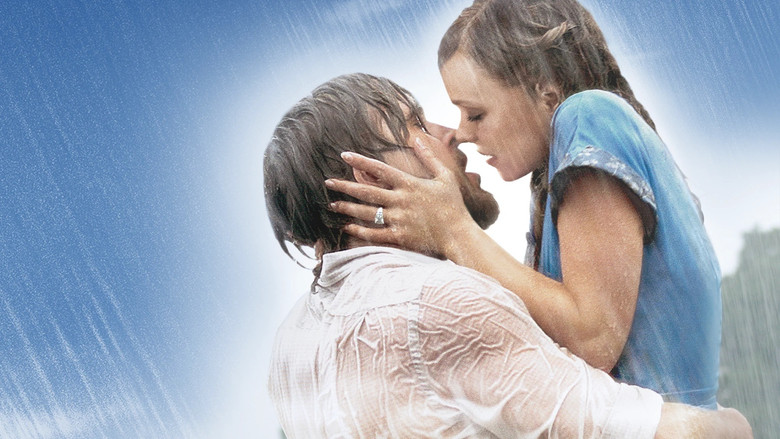
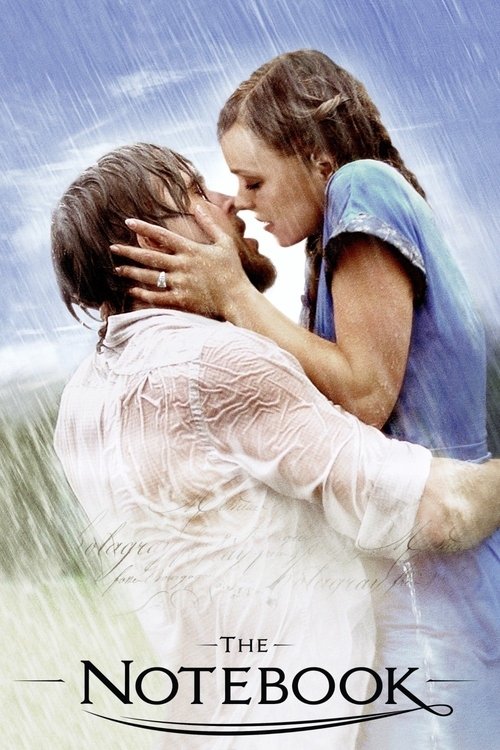
One of the most iconic scenes involves Noah and Allie taking a boat ride on the river, surrounded by swans, which represents a magical, dreamlike moment of reconnection. This is immediately followed by a torrential downpour where they have their famous argument and passionate kiss, finally confronting their feelings after years apart.

Birds/Swans

Meaning:

Birds, particularly the swans on the river, symbolize freedom, grace, and the purity of Noah and Allie's love. They are connected to the famous line, "If you're a bird, I'm a bird," which represents their desire to be together and share the same fate, whatever it may be. The final shot of birds flying away reinforces the idea of their spirits being freed together.

Context:

On one of their first dates, Allie playfully tells Noah she wants to be a bird. He responds, "If you're a bird, I'm a bird." This line is repeated later in the film. The beautiful scene where they are surrounded by a flock of swans on the river is a pivotal moment in their reunion. The film's final shot is of birds flying over the lake, immediately after the nurse discovers they have passed away together.

Memorable Quotes

If you're a bird, I'm a bird.

— Noah Calhoun

Context:

During one of their early dates, Allie playfully tells Noah she wishes she were a bird so she could fly away. Noah responds with this line, affirming his desire to be with her no matter what. The line is recalled later in the film as a touchstone of their connection.

Meaning:

This quote encapsulates the idea of total commitment and shared identity between Noah and Allie. It signifies that whatever she is, wherever she goes, he will be the same and go with her. It's a simple, poetic declaration of their inseparable bond and shared destiny.

The best love is the kind that awakens the soul and makes us reach for more, that plants a fire in our hearts and brings peace to our minds. And that's what you've given me. That's what I'd hoped to give you forever.

— Noah Calhoun (in a letter)

Context:

This is part of the final letter Noah wrote to Allie, which she reads years later after her mother finally gives her the hidden letters. The words articulate the depth of his feelings and the ideal he held onto during their entire separation.

Meaning:

This quote defines the film's concept of ideal love. It's not just about simple romance but about a transformative connection that inspires personal growth, passion, and inner tranquility. It speaks to the profound, life-altering impact Allie has had on Noah.

It wasn't over. It still isn't over.

— Noah Calhoun

Context:

Noah shouts this line at Allie during their argument in the rain, just before their iconic kiss. Allie has accused him of not writing to her, and he reveals he wrote her every day for a year, proving his love never died.

Meaning:

This is a powerful declaration of Noah's undying love and refusal to accept that their story has ended. It's the emotional climax of their reunion, where he finally confronts Allie with the truth that for him, the feelings never faded, despite years of silence and separation.

What do you want? What do you want?

— Noah Calhoun

Context:

Noah shouts this at Allie during a heated argument as she struggles to decide between him and Lon. This line was famously improvised by Ryan Gosling and became one of the film's most iconic moments.

Meaning:

This repeated question is a raw, desperate plea from Noah, forcing Allie to stop thinking about her parents, her fiancé, or societal expectations, and to finally confront her own true desires. It is a pivotal moment that pushes her toward making the most important decision of her life.

Philosophical Questions

Does true love have the power to overcome the biological decay of the mind?

The film poses this question through the central conflict of Noah trying to reach Allie through the fog of her Alzheimer's disease. He believes their love story is potent enough to create "miracles" by temporarily restoring her memory. The film suggests that while love cannot cure the disease, it can create moments of profound connection and lucidity, implying that the emotional core of a person might persist even when cognitive memories have faded. It explores whether an emotional, spiritual connection can transcend physical and mental deterioration.

Is a life of passionate, difficult love superior to one of stable, comfortable security?

This question is embodied in Allie's central choice between Noah and Lon. Noah represents a life of intense passion, creativity, and emotional highs and lows, but with financial uncertainty. Lon represents stability, wealth, social acceptance, and a calm, gentle affection. The film overwhelmingly champions the former, suggesting that a life lived with true passion, even with its struggles, is more fulfilling than a life of comfort and convenience without that deep, soul-awakening connection.

What constitutes our identity: our memories or our feelings?

Through Allie's condition, the film delves into the nature of self. When Allie's memories are gone, is she still "Allie"? Noah's actions suggest he believes her true self is still present, accessible through the feelings their story evokes. Her brief moments of lucidity are triggered not just by facts, but by the overwhelming emotion of the narrative. This raises the question of whether our core identity is anchored in the database of our experiences (memories) or in the enduring emotional connections that shape our soul.

Alternative Interpretations

While the film is largely interpreted as a straightforward, epic love story, some alternative readings have emerged. One perspective questions the reliability of the narrator. Since the story is told from a notebook written by Allie and curated by Noah, it could be an idealized, romanticized version of their past rather than an objective history. The fights and flaws might be softened, and the love story heightened to serve its purpose: to bring Allie back to him.

Another interpretation focuses on the ending as a form of mutual euthanasia or a "miracle" of choice. Rather than a coincidental peaceful passing, some viewers interpret their death as a conscious decision, a final act of love where Noah, seeing Allie's condition and facing his own mortality, chooses to die with her at a moment of peace and recognition. This reading transforms the ending from a bittersweet coincidence into a profound, albeit tragic, choice. An alternate version of the film streamed on Netflix UK in 2019 fueled this debate, as it removed the discovery of their bodies, ending on the ambiguous shot of birds flying over a lake, leaving their fate entirely open to interpretation.

Cultural Impact

Released in 2004, "The Notebook" arrived at a time when romantic dramas were often seen as formulaic. It revitalized the genre for the 21st century by blending a classic, sweeping love story with genuine emotional depth, becoming a cultural touchstone for a generation. Its success solidified the careers of Ryan Gosling and Rachel McAdams as leading romantic actors and made Nicholas Sparks a household name in literary and film adaptations.

The film's influence is seen in its narrative structure—interweaving past and present to heighten emotional stakes—which became a popular model for subsequent romance films. Scenes like the passionate kiss in the rain have become iconic and are frequently parodied and paid homage to in pop culture. The movie also had a significant social impact by bringing the devastating reality of Alzheimer's disease to a mainstream audience, portraying the emotional toll it takes on both patients and their caregivers. Though some medical professionals have noted inaccuracies in its depiction, the film undeniably sparked conversations about the disease. Despite mixed initial critical reviews, its overwhelming audience appeal turned it into a sleeper hit and an enduring classic, cementing its place as one of the most beloved romantic films of its era.

Audience Reception

Audience reception for "The Notebook" has been overwhelmingly positive, solidifying its status as a beloved modern classic. Viewers consistently praise the powerful on-screen chemistry between Ryan Gosling and Rachel McAdams, which is often cited as the heart of the film's success. The deeply emotional and heart-wrenching story of enduring love is another major point of praise, with many considering it the quintessential "tearjerker." The romantic, picturesque cinematography and the film's timeless feel are also frequently commended. Points of criticism, primarily from those who find the film overly sentimental or emotionally manipulative, are generally overshadowed by the passionate fan base. For most viewers, the film's powerful depiction of love, sacrifice, and memory transcends any clichés, making it an enduring favorite.

Interesting Facts

  • The story is based on the real-life love story of the grandparents of author Nicholas Sparks' then-wife, Cathy. They had been married for over 60 years.
  • Ryan Gosling and Rachel McAdams initially did not get along on set. At one point, Gosling asked director Nick Cassavetes to bring in another actress to read lines with him off-camera. They eventually worked through their differences and later dated in real life.
  • Director Nick Cassavetes cast his own mother, veteran actress Gena Rowlands, to play the role of the older Allie.
  • To prepare for his role as a woodworker, Ryan Gosling lived in Charleston, South Carolina before filming and apprenticed with a cabinetmaker. He built the kitchen table featured in the movie himself.
  • The famous line "What do you want?" was improvised by Ryan Gosling during a heated scene.
  • The younger and older portions of the film were shot in reverse order. Ryan Gosling had to lose 20 pounds of muscle and shave his beard to portray the younger, leaner Noah after filming the scenes as the older, bearded Noah.
  • The iconic boat scene with hundreds of swans almost didn't happen because the studio thought it would be impossible to get that many birds in one place. The director had hatchlings raised on the lake so they would be comfortable there for filming.
  • Several other famous actors were considered for the lead roles, including Britney Spears, Reese Witherspoon, and Tom Cruise.
  • To match the eye color of James Garner (older Noah), Ryan Gosling wore brown contact lenses throughout the film, hiding his natural blue eyes.

⚠️ Spoiler Analysis

Click to reveal detailed analysis with spoilers

Frequently Asked Questions

Explore More About This Movie

Dive deeper into specific aspects of the movie with our detailed analysis pages

Comments (0)

Leave a comment

No comments yet. Be the first to share your thoughts!