Skip to content
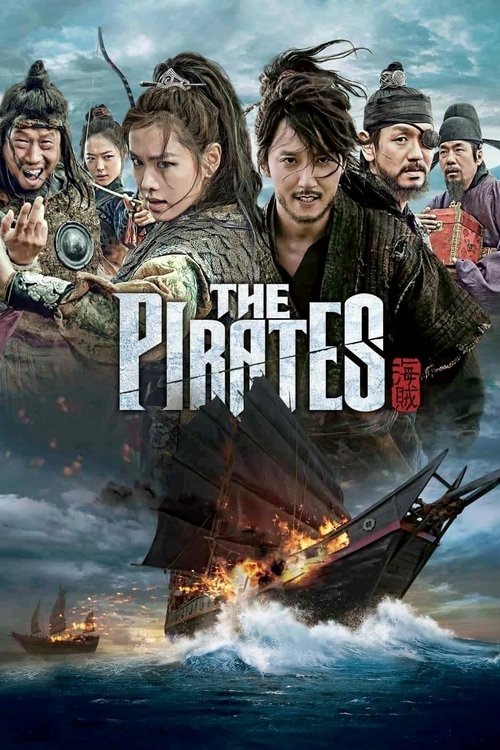
The Pirates
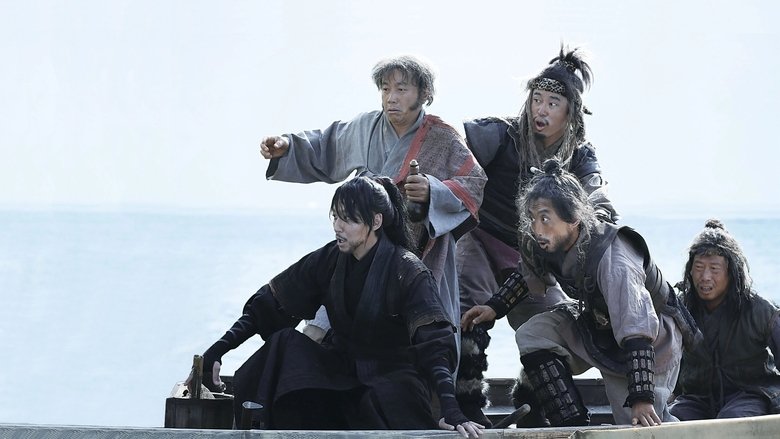
A rollicking high-seas swashbuckler bursting with irreverent slapstick and heart, where unruly mountain bandits and fierce seafaring outlaws collide beneath the awe-inspiring spray of a mythic ocean titan.
The Pirates
The Pirates

해적: 바다로 간 산적

"Those who conquer the sea will have it all!"

06 August 2014 South Korea 130 min 7.0 (243)

Director: Lee Suk-hoon

Cast: Son Ye-jin, Kim Nam-gil, Oh Dal-su, Park Cheol-min, Yoo Hai-jin

Fantasy Action Comedy Adventure Sovereignty, Flunkeyism, and Political Legitimacy Solidarity and Freedom Among Outcasts Coexistence with the Natural World Subversion and Parody of Heroic Masculinity
Budget: $13,000,000
Box Office: $64,400,000

The Pirates — Ending Explained

⚠️ Spoiler Analysis

The climactic revelation of the film strips away the artificial mystique of the Ming Imperial Seal. After a series of explosive naval skirmishes, Sa-jung and Yeo-wol defeat both the vengeful traitor Soma and the ruthless royal commander Mo Heung-gap. When Sa-jung finally faces the mother whale, he refuses to butcher her to retrieve the foreign relic, recognizing her sacred maternal protection.

Instead, Sa-jung boldly presents himself before King Taejo (Yi Seong-gye). Confronting the newly crowned founder of Joseon, Sa-jung delivers a searing rebuke: a king who requires a foreign jade trinket to justify his rule, sacrificing his own people and wildlife in the process, is unworthy of the throne. Moved by Sa-jung's moral conviction, Yi Seong-gye accepts the founding of Joseon on its own terms without Ming validation, allowing the whale to swim away unharmed and leaving Sa-jung and Yeo-wol free to navigate the open seas together.

Alternative Interpretations

While widely celebrated as a lighthearted adventure blockbuster, several critics interpret the film as a veiled political allegory regarding contemporary Korean foreign policy. The absurd scramble for the Ming Emperor's seal mirrors historical anxieties over great-power vassalage, offering a populist critique of modern political dependencies on foreign superpowers.

Alternatively, the narrative invites an eco-feminist and conservationist reading. The maternal whale represents an uncorrupted natural sanctuary violently intruded upon by masculine militarism and state greed. In this view, Yeo-wol and Sa-jung's ultimate decision to let the whale roam free signifies a conscious rejection of patriarchal state conquest in favor of compassionate coexistence.

Explore More About This Movie

Dive deeper into specific aspects of the movie with our detailed analysis pages

Similar Movies