Skip to content
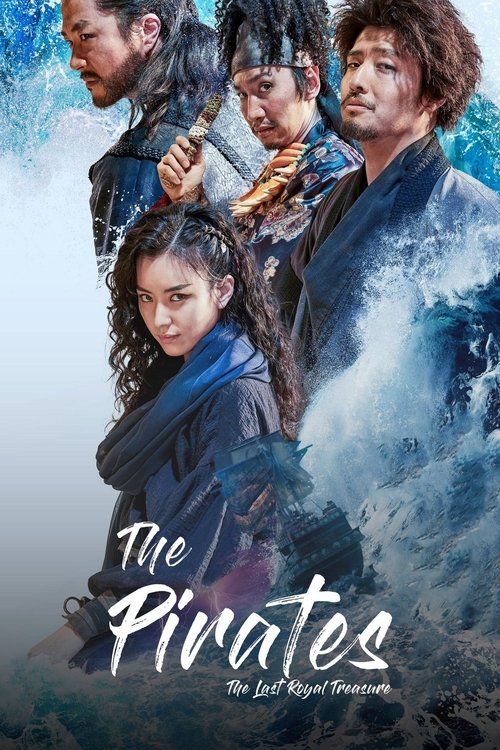
The Pirates: The Last Royal Treasure
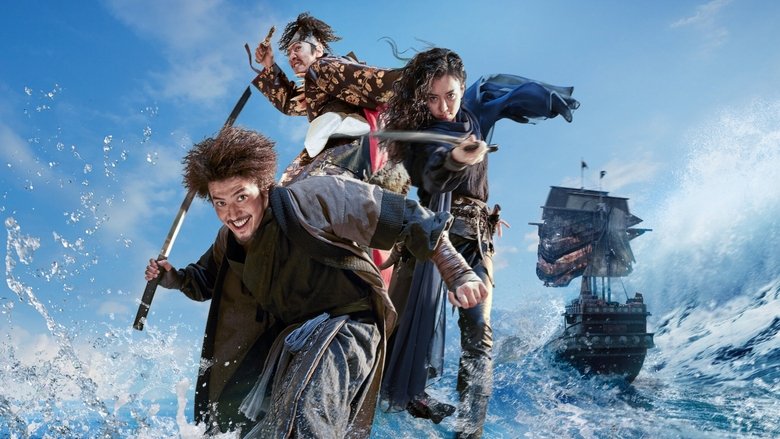
A whirlwind swashbuckler roaring with sun-drenched camaraderie and madcap rebellion, where ragged outlaws ride storm-tossed tides toward mythical gold, navigating a tempest of fire and sea as an unstoppable family forged by freedom.
The Pirates: The Last Royal Treasure

해적: 도깨비 깃발

26 January 2022 South Korea 126 min 6.5 (228)

Director: Kim Joung-hoon

Cast: Kang Ha-neul, Han Hyo-joo, Lee Kwang-soo, Kwon Sang-woo, Chae Soo-bin

Fantasy Action Comedy Adventure Chosen Family and Unlikely Solidarity Freedom & Autonomy vs. Dynastic Oppression The Illusion of Wealth and Power vs. Human Value Identity, Past Trauma, and Self-Reinvention
Budget: $19,597,380
Box Office: $10,247,262

The Pirates: The Last Royal Treasure — Ending Explained

⚠️ Spoiler Analysis

The True Nature of the Treasure's Location: The treasure map does not lead to a buried chest on an ordinary tropical island, but to the perilous Island of Thunder and Lightning (Beon-gae-seom), surrounded by deadly vortexes, volcanic vents, and continuous electrical strikes.

Moo-chi’s Past Unveiled: Moo-chi reveals his past identity as a decorated military general under Goryeo who was betrayed by Bu Heung-soo. Their final duel is a personal reckoning of honor, avenging murdered soldiers from Moo-chi's past.

Mak-yi's Accidental Heroism & Penguin Army: After being separated and stranded on an island with aggressive local penguins, Mak-yi inadvertently discovers the crucial clue to the treasure’s whereabouts and arrives during the final confrontation, providing chaotic but vital support.

The Climactic Naval Battle & Volcanic Cataclysm: In the eye of the sea storm, Hae-rang and Moo-chi lead their combined forces to defeat Bu Heung-soo’s armada. As the volcanic cavern collapses and gold cascades into the sea, Moo-chi defeats Heung-soo, choosing to save Hae-rang and the crew rather than chase every piece of sinking gold.

The Ending Resolution: Having secured a massive fortune in imperial gold, Hae-rang and Moo-chi distribute the wealth equitably among all bandits and pirates. Rather than submitting to the newly established Joseon kingdom, they set sail toward uncharted waters as equal co-captains and romantic partners, flying the Goblin Flag as free rulers of the open sea.

Alternative Interpretations

The Anti-Feudal Egalitarian Reading: The pirate ship functions as a microcosm of an egalitarian society. The abandonment of royal court politics for a life on the high seas signifies a rejection of rigid Confucian hierarchies in favor of meritocracy and collective mutual aid.

The Gold as a Spiritual Crucible: The elusive treasure serves less as financial liberation and more as a test of moral character: those seeking it for tyrannical power (Bu Heung-soo) meet destruction, while those who value their crew's lives over the metal survive and claim the fortune.

The "Two Captains" Harmony: Rather than Moo-chi usurping Hae-rang’s authority or vice versa, the ending symbolizes a harmonious union of land (bandit) and sea (pirate), where shared leadership triumphs over autocratic rule.

Explore More About This Movie

Dive deeper into specific aspects of the movie with our detailed analysis pages

Similar Movies