Skip to content
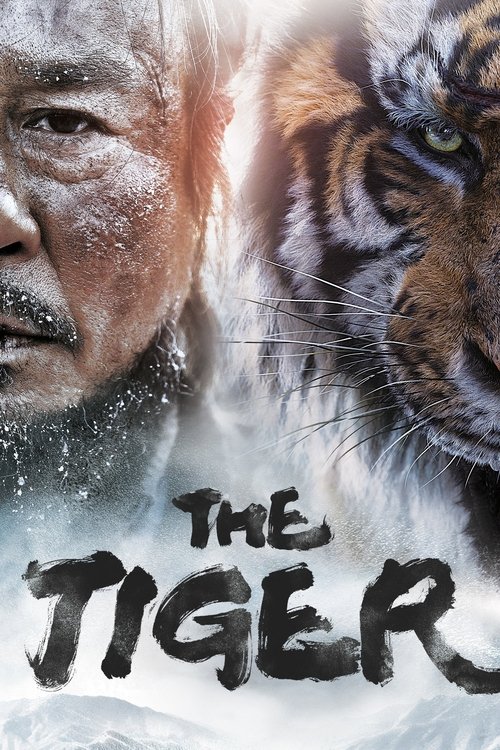
The Tiger
A haunting historical epic steeped in grief and reverence, where a sorrowful hunter and a mythic, one-eyed predator clash amidst blood-soaked snowdrifts as an empire threatens to devour the sacred soul of Joseon.
The Tiger
The Tiger

대호

"A hunter's fight to protect."

16 December 2015 South Korea 139 min 7.7 (296)

Director: Park Hoon-jung

Cast: Choi Min-sik, Jeong Man-sik, Kim Sang-ho, Sung Yu-been, Ren Osugi

Drama History Action Adventure The Devastation of Colonial Subjugation Man, Nature, and the Sacred Balance Grief, Kinship, and Paternal Loss Vengeance versus Honor
Box Office: $11,083,449

The Tiger — Ending Explained

⚠️ Spoiler Analysis

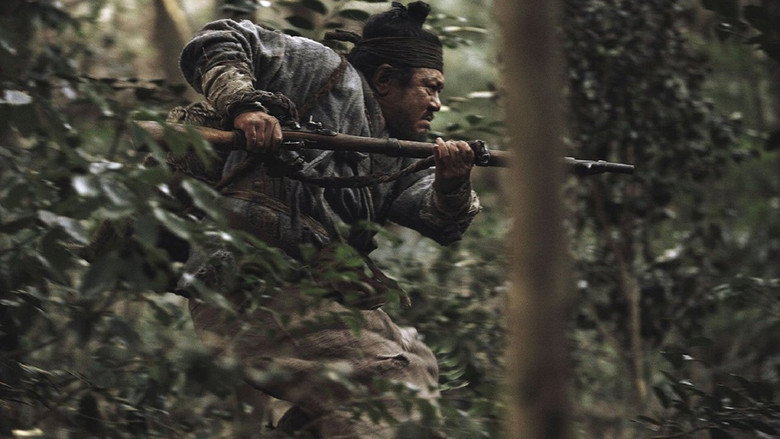
The narrative hinge of The Tiger lies in the buried karmic connection between Chun Man-duk and the Mountain Lord. A decade earlier, Man-duk accidentally shot and killed his wife during a tiger hunt. Filled with remorse, Man-duk discovered two starving cubs left behind by a mother tiger he had slain; rather than killing them, he fed them and left them to survive. One of those cubs grew into the one-eyed Mountain Lord, forging an unspoken pact of mutual sorrow and restraint between the two.

This bond is shattered when Man-duk's son Seok secretly accompanies Goo-gyeong's bounty expedition. The tiger decimates the hunters, and Seok is fatally mauled in the chaos. In a moment of tragic grace, the Mountain Lord recognizes Seok, shields the boy from scavengers, and gently carries his lifeless body to Man-duk's front door. Overcome by grief, Man-duk cremates his son along with his cabin and prepares for an inevitable final pilgrimage.

In the finale atop a cliff in Mount Jirisan, Man-duk faces the mortally wounded Mountain Lord, both having lost their entire families. Rather than allowing the tiger to be turned into a Japanese trophy, Man-duk shoots the beast, and the tiger pounces, deliberately plunging both hunter and animal off the cliff into the snowy chasm. By choosing to die together in the untamed wilderness, they preserve their dignity and merge permanently into the sacred memory of Mount Jirisan.

Alternative Interpretations

Beyond the primary reading of the film as a nationalistic anti-colonial allegory, several alternative interpretations exist:

  • Eco-Philosophical Meditation: The story can be understood as a profound ecological elegy mourning humanity's rupture from the natural order. In this reading, modern industrial bureaucracy disrupts an ancient animistic equilibrium where humans and predators respected shared boundaries.
  • Doppelgänger and Psychological Projection: Man-duk and the Mountain Lord function as mirrors of the same grief-stricken patriarchal soul. Both carry the weight of lost partners and children, and their eventual duel is less a battle than a shared funeral rite—a mutually chosen release from an unrecognizable world.

Explore More About This Movie

Dive deeper into specific aspects of the movie with our detailed analysis pages

Similar Movies