Skip to content
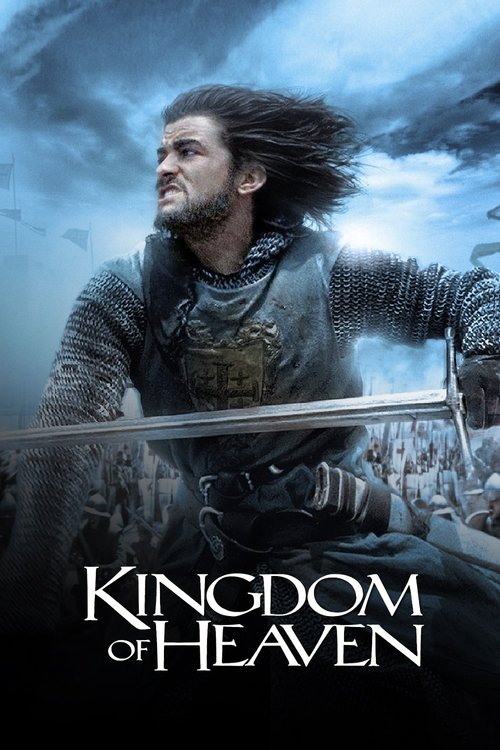
Kingdom of Heaven
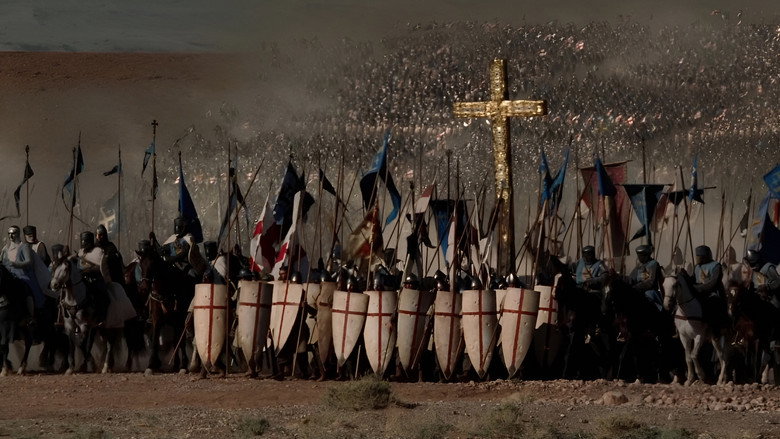
A sun-scorched crusader epic of grief and conscience, where a blacksmith's quiet faith is forged against the walls of a holy city everyone claims and no one truly understands.
Kingdom of Heaven
Kingdom of Heaven

"Be without fear in the face of your enemies. Safeguard the helpless, and do no wrong"

03 May 2005 United States of America 144 min 7.1 (5,254)

Director: Ridley Scott

Cast: Orlando Bloom, Eva Green, Jeremy Irons, David Thewlis, Ghassan Massoud

Drama War History Action Adventure Faith versus fanaticism Choosing one's own fate Religious coexistence and tolerance Honor and conscience over power Grief, guilt and redemption
Budget: $130,000,000
Box Office: $218,366,336

Kingdom of Heaven — Ending Explained

⚠️ Spoiler Analysis

Balian is a blacksmith mourning his wife. He kills a corrupt priest and joins his father Barisan on the road to the Holy Land, where he inherits a title and lands. In Jerusalem, the leper king Baldwin IV keeps peace with Saladin while warmongers such as Guy de Lusignan push for conflict.

As the kingdom falls into the hands of the fanatics and war breaks out, Balian becomes the city's defender during Saladin's siege. The climax is not a heroic victory but a negotiated surrender. Balian gives up Jerusalem in exchange for the safety of its people. When he asks Saladin, "What is Jerusalem worth?", Saladin replies "Nothing," then turns back and adds "Everything!"

The hidden meaning becomes clear only at the end. The "kingdom of heaven" was never the city itself. Balian wins by saving lives rather than holding stones, and that confirms the film's claim that conscience matters more than territory or dogma.

Alternative Interpretations

Theatrical cut vs. Director's Cut: Viewers often say these are different films. The shorter version reads as a conventional action epic with an underwritten hero. The longer version brings back Sibylla's storyline and more political detail, making it a layered tragedy about how a kingdom falls apart.

Secular vs. spiritual reading: Some see the film as skeptical of organized religion. Others see it as deeply spiritual, placing God in conscience instead of institutions. Saladin's "Nothing. Everything." can support both readings.

Historical allegory: Many read the film as a comment on present-day conflicts in the Middle East, while others treat it as a timeless fable about leadership and integrity.

Explore More About This Movie

Dive deeper into specific aspects of the movie with our detailed analysis pages

Similar Movies