
Skip to content
The Voice of Hind Rajab
A claustrophobic docudramatic vigil of unbearable heartbreak, where a fragile telephone wire stretches across darkness as the only lifeline between human solidarity and imperial slaughter.
The Voice of Hind Rajab

صوت هند رجب

"The voices on the phone are real."

10 September 2025 France 89 min 8.0 (352)

Director: Kaouther Ben Hania

Cast: Hind Rajab, Motaz Malhees, Saja Kilani, Amer Hlehel, Clara Khoury

Drama History The Weaponization of Time and Bureaucracy Ethical Witness and the Sanctity of Memory Systemic Helplessness and Displaced Trauma The Destruction of Childhood and Innocence
Box Office: $5,058,441

The Voice of Hind Rajab — Ending Explained

⚠️ Spoiler Analysis

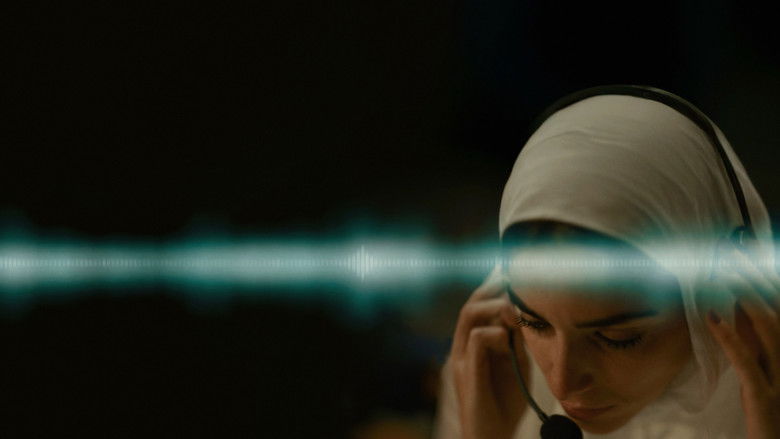
The film mirrors the real-time progression of January 29, 2024. It begins with dispatchers answering an incoming distress call from 15-year-old Layan Hamadeh, whose panicked voice is violently cut off by gunfire. When dispatchers call the mobile phone back, six-year-old Hind Rajab answers from under the seats, surrounded by her deceased relatives and encircled by Israeli armored vehicles.

For over three hours, dispatchers Omar and Rana sustain Hind through the telephone line. Every attempt to dispatch a marked ambulance requires clearance from Israeli military authorities via the Red Cross/Red Crescent coordination apparatus. After long delays, clearance is granted, and two paramedics, Yousef Zeino and Ahmed al-Madhoun, set out in an ambulance.

The climax is audio-based: as the ambulance crew arrives within sight of the car and confirms contact, gunfire erupts over the line, followed by an explosion and static, completely severing communications. The epilogue details the historical outcome: for 12 days, Israeli forces denied rescue teams and family access to the site. When troops finally withdrew on February 10, 2024, the car was discovered riddled with 335 bullet holes. Hind, her family, and the two paramedics in their charred ambulance were dead. The film concludes in silence, accompanied by forensic data, photographs of Hind, and dedicated memorial text.

Alternative Interpretations

The film invites multiple critical frameworks:

  • The Existential Reading: The phone line functions as an existential void; the dispatchers embody humanity screaming into a modern void of mechanical warfare and automated violence.
  • The Legal and Institutional Reading: A legal indictment demonstrating how "coordination" protocols within armed conflict can be used to delay medical aid until victims succumb to their injuries.
  • The Aesthetic Reading: A meta-cinematic critique of war cinema; by keeping Hind visually absent and auditorily present, Ben Hania challenges the viewer's consumption of war imagery and denies visual voyeurism.

Explore More About This Movie

Dive deeper into specific aspects of the movie with our detailed analysis pages

Similar Movies