Skip to content
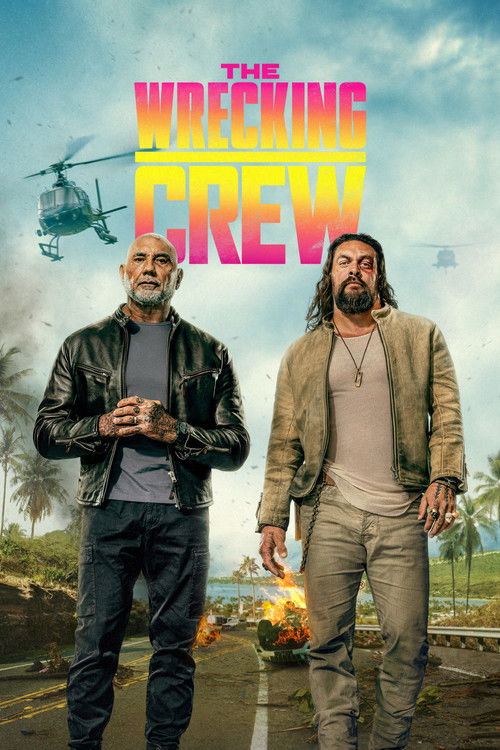
The Wrecking Crew
A sun-drenched, bone-crunching action comedy where explosive Hawaiian violence collides with unresolved brotherly grief, capturing two estranged giants navigating a maze of corruption through blood, banter, and bruised hearts.
The Wrecking Crew

The Wrecking Crew

"They fight like brothers. They wreck like legends."

28 January 2026 United States of America 125 min 7.1 (1,185)

Director: Ángel Manuel Soto

Cast: Dave Bautista, Jason Momoa, Temuera Morrison, Morena Baccarin, Roimata Fox

Crime Action Comedy Mystery Brotherly Reconciliation & Rebuilding Family Protection of Ancestral Hawaiian Land vs. Exploitative Greed Breaking the Cycle of Vengeance Masculinity, Vulnerability, and Post-Therapy Awareness
Budget: $78,500,000
Box Office: $89,000,000

Overview

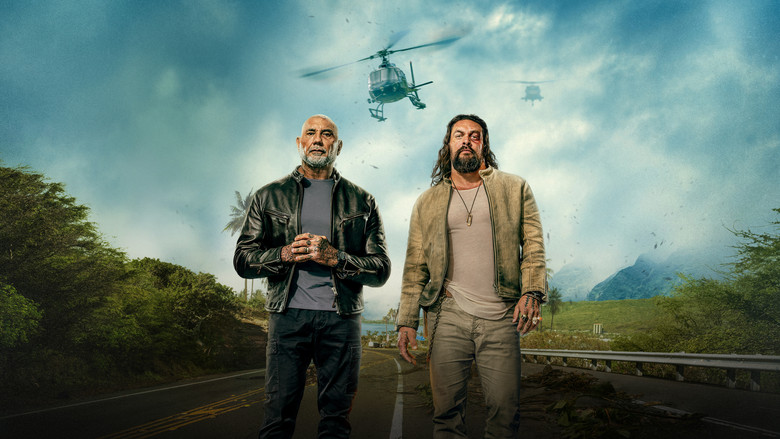
The Wrecking Crew opens with the sudden, suspicious death of private investigator Walter Hale in Honolulu, Hawaii, officially ruled a hit-and-run. The news brings together his two estranged half-brothers: James Hale (Dave Bautista), a disciplined U.S. Navy SEAL drill instructor living in Hawaii with his family, and Jonny Hale (Jason Momoa), a reckless, heavy-drinking police detective suspended from his force in Oklahoma. After Jonny is targeted at his Oklahoma home by ruthless Yakuza enforcers seeking a mysterious package sent by their father, he flies to Honolulu for the funeral.

Reunited after more than ten years of complete silence, the brothers immediately clash over old family wounds and wildly contrasting temperaments. However, when evidence reveals their father was deliberately targeted, they are forced to join forces. Guided by Walter's tech-savvy assistant Pika (Jacob Batalon) and supported by their cousin Haunani "Nani" Palakiko (Frankie Adams), the duo plunges into the dark underbelly of island politics and organized crime to uncover who ordered the hit.
Core Meaning

Director Ángel Manuel Soto uses the traditional 1980s buddy-cop template to explore themes of cultural stewardship, brotherhood, and the cycle of vengeance. Beyond the high-octane explosions and physical comedy, the film argues that true strength lies in vulnerability and emotional catharsis rather than destructive revenge.

Furthermore, Soto weaves in a sharp critique of gentrification, corporate greed, and the ongoing exploitation of native Hawaiian lands by external financial interests, asserting that protecting ancestral identity and family integrity is the ultimate form of resistance.

Thematic DNA

Brotherly Reconciliation & Rebuilding Family 35%
Protection of Ancestral Hawaiian Land vs. Exploitative Greed 25%
Breaking the Cycle of Vengeance 20%
Masculinity, Vulnerability, and Post-Therapy Awareness 20%

Brotherly Reconciliation & Rebuilding Family

The core of the narrative focuses on James and Jonny overcoming decades of resentment stemming from their father's emotional negligence. Their physical clashes mirror their internal struggle until they learn to balance James’s tactical discipline with Jonny’s chaotic intuition.

Protection of Ancestral Hawaiian Land vs. Exploitative Greed

The criminal plot revolves around illegal casino resort developments planned for protected Hawaiian homelands. The film highlights native land rights, contrasting community preservation with corporate land-grabbing.

Breaking the Cycle of Vengeance

While the film operates as a revenge thriller, its narrative climax pivots toward peace. Jonny’s ultimate decision to forego tracking down his mother’s killer demonstrates that choosing emotional healing over endless retribution is the true path to freedom.

Masculinity, Vulnerability, and Post-Therapy Awareness

The Wrecking Crew updates classic action tropes by presenting hyper-muscular men who actively discuss their psychological trauma. Guided by James’s child-psychologist wife, Leila, the characters process grief and vulnerability rather than suppressing them under pure bravado.

Character Analysis

Jonny Hale

Jason Momoa

Archetype: The Loose-Cannon Antihero / Wild Card Key Trait: Flamboyant bravado masking deep emotional vulnerability

Motivation

Solve his father's murder while confronting his fear of abandonment.

Character Arc

Evolves from an isolated, alcohol-dependent, impulsive cop into a dedicated brother who chooses family unity over revenge.

James Hale

Dave Bautista

Archetype: The Stoic Hero / Disciplined Protector Key Trait: Tactical precision and fiercely grounded loyalty

Motivation

Protect his family from external threats and seek justice for his father.

Character Arc

Moves from rigid control and lingering resentment toward his brother to accepting Jonny’s chaotic nature as a strength.

All 5 characters and cast

Symbols & Motifs

The Encrypted USB Flash Drive

Meaning:

Symbolizes dangerous truths and political corruption, containing evidence of a $12 million bribe connecting corporate power with state officials.

Context:

Left behind by Walter, this item drives the overarching mystery and makes the brothers targets of both corporate and criminal forces.

The Hawaiian Homelands / Land

Meaning:

Represents cultural identity, ancestral roots, and indigenous sovereignty being threatened by commercial forces.

Context:

Serves as the central motif and geographic core disputed beneath the villain's illegal casino resort developments.

The Burning Note

Meaning:

Symbolizes the literal and emotional burning of past hatred, breaking the cycle of retribution.

Context:

Used during the film's climax when Jonny burns the handwritten paper bearing the name of his mother's killer at a family barbecue.

The Mother’s Shrine / Souvenir Shrine

Meaning:

Represents Jonny’s frozen childhood grief and fear of abandonment.

Context:

Kept inside Jonny's home; its destruction during an enforcer attack marks the key catalyst for his emotional evolution.

Hog Motorcycle vs. Tactical Military Gear

Meaning:

Visually symbolizes wild chaos versus structured order.

Context:

Jonny’s leather jacket and hog motorcycle contrast directly with James’s clean-cut military demeanor and tactical equipment.

Memorable Quotes

I am the bear.
— James Hale / Jonny Hale

Context

Spoken during high-intensity combat banter between James and Jonny.

Meaning

Serves as a running joke and shared battle cry signifying their dominant physical force.

Wednesday?
— Jonny Hale

Context

Jonny’s hesitant response when his long-suffering girlfriend Valentina asks if he knows what special day it is (her birthday).

Meaning

Highlights Jonny's early-film irresponsibility and detachment.

All 4 quotes

Philosophical Questions

Does violent retribution ever bring true closure, or does it perpetuate trauma?

Explored through Jonny's choice to burn the note naming his mother's killer, demonstrating that revenge prolongs grief while forgiveness fosters peace.

What constitutes true family—blood ties or shared responsibility?

Examined through the brothers' complex relationship and the Hawaiian concept of extended community (ohana).

Where does the line exist between economic progress and cultural desecration?

Raised by the villain's attempt to build commercial casinos on protected native homelands.

Alternative Interpretations

The Anti-Revenge Reading: The ending, in which Jonny burns the name of his mother's murderer, reframes the action thriller. Critics point out that the film subverts the traditional John Wick blueprint by asserting that emotional healing and family unity are superior to violent retribution.

Full ending explanation

Cultural Impact

Created during a renaissance of streaming action comedies, The Wrecking Crew stands out for its commitment to cultural responsibility. Rather than using Hawaii purely as an exotic background, the production embedded local crew, native actors, and real issues surrounding native land rights and political corruption into the narrative.

Critical reception praised the magnetic chemistry between Momoa and Bautista and the old-school action design, while noting that the plot follows familiar buddy-cop formulas. Audiences responded positively to its blend of heavy violence and genuine emotional stakes.

Audience Reception

Praised Aspects:

  • Screen chemistry and comedic timing between Dave Bautista and Jason Momoa.
  • Practical stunt choreography and visceral combat directed by Ángel Manuel Soto.
  • Authentic Hawaiian setting and cultural representation.

Main Points of Criticism:

  • Predictable murder-mystery plot and standard genre tropes.
  • Over-reliance on green-screen compositing during highway chase scenes.
  • A 122-minute runtime that some felt dragged in the middle act.

Overall Verdict: A crowd-pleasing, nostalgic throwback to 80s and 90s buddy-cop action films that succeeds on the strength of its lead actors and cultural heart.

Interesting Facts

  • Jason Momoa originally conceived the idea for a buddy-action team-up with Dave Bautista years before production began, acting as a hands-on producer alongside 6th & Idaho Productions.
  • Director Ángel Manuel Soto insisted on hiring local Hawaiian crew members and consulting local cultural practitioners so Hawaiian culture was accurately represented rather than treated as a mere backdrop.
  • Director Ángel Manuel Soto personally underwent a traditional Hawaiian ritual tattoo blessing from a local practitioner prior to filming in Hawaii to honor the island community.
  • Cinematographer Matt Flannery (The Raid) was brought on to shoot the visceral, cause-and-effect combat without heavy CGI reliance.
  • Hip-hop legend RZA recorded an original song titled 'Like a Drum' specifically for the film’s final compound raid scene.

Easter Eggs

Shane Black & Lethal Weapon Homage

The dynamic between loose-cannon Jonny and structured family-man James directly references Martin Riggs and Roger Murtaugh from Lethal Weapon.

Jean-Claude Van Damme Shout-Out

Characters explicitly mention 80s action icon Jean-Claude Van Damme during a discussion on fight techniques.

Phil Collins Soundtrack Beat

The movie features classic action-movie needle drops reminiscent of 1980s thrillers, including heavy drum fills and electric guitar riffs.

Maia Kealoha Cameo

Young Hawaiian actress Maia Kealoha appears as Lani, bridging local casting with big-budget action.

Unfiltered Hawaiian Slang

The dialogue includes authentic local Hawaiian Pidgin and terms without explanatory subtitles, preserving cultural authenticity.

Frequently Asked Questions

Explore More About This Movie

Dive deeper into specific aspects of the movie with our detailed analysis pages

Comments (0)

Leave a comment

No comments yet. Be the first to share your thoughts!

Similar Movies