Skip to content
You're Beautiful
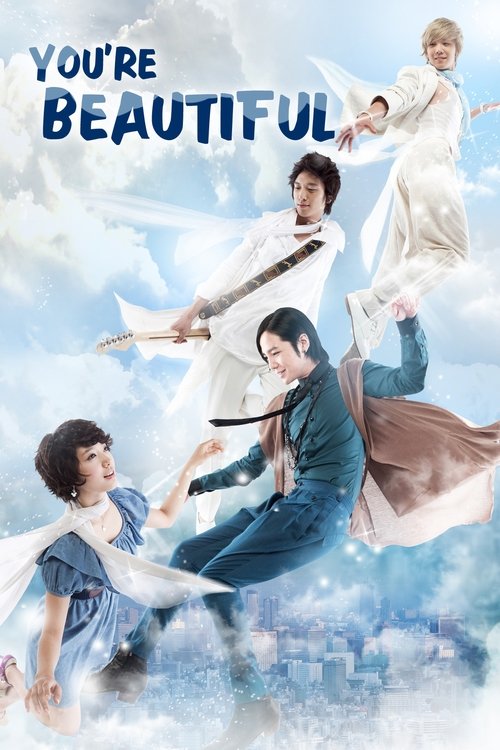
A pastel-lit whirlwind of youthful identity confusion and idol stage glamor, where an innocent novice nun masquerades as a pop prince, navigating electric heartbeats under glaring spotlights like a secret song hidden in plain sight.
You're Beautiful

You're Beautiful

미남이시네요

07 October 2009 — 26 November 2009 South Korea 1 season 16 episode Ended 7.5 (126)

Cast: Jang Keun-suk, Park Shin-hye, Jung Yong-hwa, Lee Hong-gi, Uee

Drama Comedy Masks, Disguise, and Authentic Identity Parental Trauma and Chosen Family Public Celebrity vs. Private Vulnerability Unrequited Love and Selfless Devotion Innocence vs. Worldly Temptation

Overview

You're Beautiful (2009), penned by the Hong Sisters (Hong Jung-eun and Hong Mi-ran) and directed by Hong Sung-chang, is a romantic comedy drama set inside the high-stakes South Korean entertainment industry. The narrative follows Go Mi-nyeo, an innocent novice nun who lives a sheltered life preparing for a convent. Her world turns upside down when her identical twin brother, Go Mi-nam, wins an audition to join the country’s premier pop-rock band, A.N.JELL, but is incapacitated abroad due to botched cosmetic surgery. To protect her brother’s career and seek out clues about their long-lost mother, Mi-nyeo is persuaded to cross-dress and secretly assume Mi-nam’s identity inside the idol group.

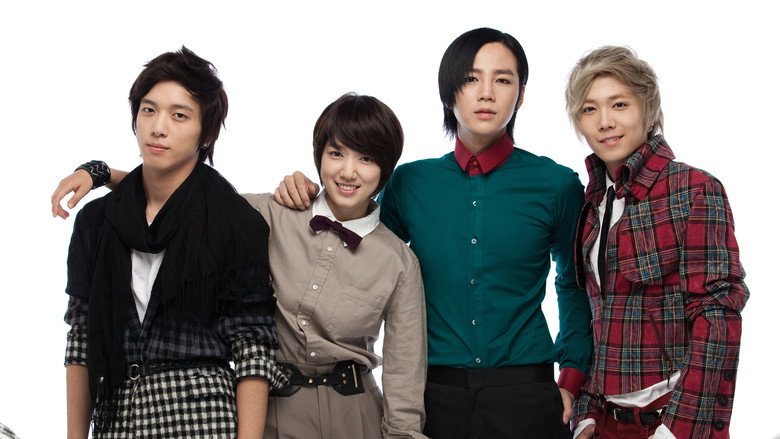
Living in close quarters under the guise of an idol boy band member, Mi-nyeo must navigate the eccentricities and emotional baggage of her three bandmates: the cold, germophobic, hyper-perfectionist leader Hwang Tae-kyung; the warm, observant guitarist Kang Shin-woo; and the bubbly, golden-retriever drummer Jeremy. As she works desperately to keep her true gender hidden from the media and predatory entertainment industry rivals, romantic entanglements and complicated family secrets begin to unravel within the dorm walls.


Core Meaning

At its core, You're Beautiful examines the tension between fabricated public personas and authentic human vulnerability. Through the lens of the late-2000s K-pop idol boom, the creators explore how modern celebrity culture forces individuals into polished, manufactured molds, while true emotional connection and self-acceptance can only happen when protective masks are stripped away. The drama conveys that genuine love sees past gender performance, public facades, and pride, offering unconditional sanctuary and healing for childhood wounds.

Thematic DNA

Masks, Disguise, and Authentic Identity 30%
Parental Trauma and Chosen Family 25%
Public Celebrity vs. Private Vulnerability 20%
Unrequited Love and Selfless Devotion 15%
Innocence vs. Worldly Temptation 10%

Masks, Disguise, and Authentic Identity

Explored through Mi-nyeo’s literal cross-dressing disguise and Tae-kyung’s emotional armor. The narrative continuously interrogates whether people love the manufactured image or the fragile person underneath.

Parental Trauma and Chosen Family

The idol members suffer from parental abandonment and emotional neglect (notably Tae-kyung’s toxic relationship with his famous mother Mo Hwa-ran). The dorm and band become a space where genuine familial warmth is rebuilt.

Public Celebrity vs. Private Vulnerability

The contrast between the glamorous stage persona of A.N.JELL and their chaotic, vulnerable domestic lives exposes the isolating nature of modern stardom.

Unrequited Love and Selfless Devotion

Developed primarily through Kang Shin-woo and Jeremy, portraying the painful emotional cost of silent sacrifice, timing, and letting go of someone whose heart belongs elsewhere.

Innocence vs. Worldly Temptation

Mi-nyeo transitions from convent spirituality into the commercialized, deceitful world of show business without losing her innate moral compass.

Character Analysis

Go Mi-nyeo / Go Mi-nam

Park Shin-hye

Archetype: The Innocent / Reluctant Trickster Key Trait: Pure-hearted empathy and unyielding loyalty.

Motivation

Protect her twin brother’s pop debut while searching for their estranged mother.

Character Arc

Begins as a naive novice nun secluded from worldly desires; grows into a confident woman who understands real-world love, emotional heartbreak, and self-worth.

Hwang Tae-kyung

Jang Keun-suk

Archetype: The Tsundere / Wounded Leader Key Trait: Sharp-tongued perfectionism masking deep vulnerability.

Motivation

Maintain absolute control over his music and career to shield himself from emotional pain.

Character Arc

Starts as an abrasive, germophobic, control freak traumatized by maternal rejection; evolves into an emotionally open partner who learns to admit his flaws and express genuine love.

All 5 characters and cast

Symbols & Motifs

The "Pig-Rabbit" (Dwaeji-tokki / 돼지토끼)

Meaning:

Serves as the physical embodiment of Tae-kyung’s quirky, veiled affection and Mi-nyeo’s duality.

Context:

Tae-kyung operates on a plush rabbit to give it a pig's snout to represent Mi-nyeo (due to her pig-nose habit).

The Jeweled Hairpin

Meaning:

Symbolizes her reclaimed female identity and Tae-kyung's unspoken recognition of her womanhood.

Context:

Purchased by Mi-nyeo as a private assertion of her hidden femininity and later recovered by Tae-kyung.

Stars and Constellations

Meaning:

Represent dreams, fame, and guidance. Tae-kyung is likened to an unreachable, shining star in the dark night whom Mi-nyeo longs to gaze upon without getting burned.

Context:

Used as frequent visual motifs throughout the series.

The Pig Nose Gesture

Meaning:

Evolves from a comedic reflex into a private confession of hidden romantic tension.

Context:

Mi-nyeo presses her nose upward to suppress her racing heartbeat whenever she is flustered around Tae-kyung.

Headphones and Music

Meaning:

Symbolize protective shields and unspoken care.

Context:

Shin-woo and Jeremy repeatedly use headphones to isolate or protect Mi-nyeo from hearing damaging secrets or public scandals.

Memorable Quotes

Go Mi-nam, 내가 너를 허락한다.
— Hwang Tae-kyung

Context

Tae-kyung’s classic arrogant tsundere declaration (translating to "Go Mi-nam, I give you permission to like me").

Meaning

Marks the turning point where he stops pushing Mi-nyeo away and reluctantly acknowledges their bond.

형, 나 조금만 울고 갈게요.
— Jeremy

Context

Jeremy sings his heartbreak song on the magical bus ride after realizing Mi-nyeo loves Tae-kyung (translating to "Hyung, let me just cry for a little bit on this bus").

Meaning

Delivers the show’s most celebrated emotional breakdown.

All 4 quotes

Episode Highlights

The Accidental Idol

S1E1

Establishes Mi-nyeo’s transition from a novice nun into the A.N.JELL dorm.

Significance:

Sets up the cross-dressing premise, Tae-kyung’s instant hostility, and the foundational group dynamic.

The Unmasking Threat

S1E6

Tae-kyung discovers Mi-nyeo’s female identity on surveillance footage.

Significance:

Shifts their relationship dynamic from mutual annoyance to a shared high-stakes secret.

The Pig-Rabbit Operation

S1E10

Tae-kyung sews the iconic "Pig-Rabbit" doll, while Shin-woo's romantic confession plan in Myeongdong painfully fails due to mistiming.

Significance:

Symbolizes Tae-kyung's softening heart and establishes the widening gap between the competing male leads.

The False Girlfriend

S1E11

Yoo He-yi forces Tae-kyung into a fake public relationship under the threat of exposing Mi-nam.

Significance:

Ramps up the melodrama and raises the emotional stakes for the core ensemble.

Jeremy’s Bus Ride

S1E14

Jeremy discovers Mi-nam’s true gender and breaks down in tears on a public bus while broadcasting his feelings.

Significance:

Represents a masterclass in supporting character pathos and closes Jeremy's romantic pursuit.

Star in the Darkness

S1E16

The real Go Mi-nam returns to resume his rightful career, while Tae-kyung publicly confesses his love to Mi-nyeo at an A.N.JELL stadium concert.

Significance:

Resolves the long-standing family grudges and secures the central couple's romantic future.

Philosophical Questions

Does Love Require Complete Transparency?

Explored through Shin-woo’s silent protection versus Tae-kyung’s demand for unvarnished, raw emotional truth.

Can Identity Exist Independent of Social Roles?

Examined through Mi-nyeo navigating her sense of self when stripped of her nun's habit and thrust into an idol persona.

How Does Forgiveness Heal Intergenerational Trauma?

Portrayed through Tae-kyung reconciling with his mother’s neglectful past and releasing his bitterness.

Alternative Interpretations

Viewers and critics have interpreted the drama through varied lenses:

Full ending explanation

Cultural Impact

Aired during the apex of the late-2000s Korean Wave, You're Beautiful served as a vanguard for the Second Hallyu Wave, playing a massive role alongside Boys Over Flowers in popularizing K-pop idol culture globally. Domestically, the drama faced severe prime-time ratings competition against KBS’s mega-budget spy thriller IRIS, averaging modest ratings around 9–10%. However, it generated a record-breaking online cult following ("mania fandom") and unprecedented international streaming viewership.

The series was adapted into the Japanese television remake Ikemen desu ne (2011) and the Taiwanese remake Fabulous Boys (2013). Furthermore, it served as a career launchpad, turning Jang Keun-suk into an international superstar dubbed the "Prince of Asia" and establishing Park Shin-hye as one of the leading Hallyu actresses of her generation.

Audience Reception

The drama was universally lauded for its electric cast chemistry, comedic timing, iconic OST, and charming reinvention of the gender-bender trope. Contemporary critics occasionally noted predictable Hong Sisters melodrama tropes in the second half, pacing deceleration around the mother-son conflict, and secondary lead syndrome frustrations regarding Shin-woo. Overall, it stands as a seminal, evergreen classic of the romantic comedy K-drama genre that remains a definitive gateway series for international fans.

Interesting Facts

  • Authentic Musician Cast: Lee Hong-gi was already the real-life lead vocalist of pop-rock band F.T. Island, and Jung Yong-hwa was the frontman of indie-turned-major band CNBLUE (making his television acting debut before CNBLUE’s official Korean debut).
  • Lead Vocals by Lead Actors: Jang Keun-suk and Park Shin-hye sang their own OST tracks (e.g., "Without Words", "Good Bye", and "Lovely Day"), leading the soundtrack to top music charts across Asia.
  • Live Fan Concert Filming: SBS arranged actual live concert filming sessions where thousands of real fans were brought into venues as extras to cheer for the fictional band A.N.JELL.
  • Hong Sisters’ Trademark Comedy: Known for signature puns and absurdist dream parodies, writers Hong Jung-eun and Hong Mi-ran included several famous fantasy cutaway gags (such as Tae-kyung being chased by wild boars in a rural field).
  • Jang Keun-suk’s Improvisations: Jang Keun-suk contributed significantly to Tae-kyung’s eccentric wardrobe, distinctive pout, and sharp, deadpan speech cadence.

Easter Eggs

Cameo by Yoo Seung-ho

Renowned actor Yoo Seung-ho made a brief surprise cameo as a customer in a convenience store in Episode 9.

Cameo by After School

K-pop girl group After School appeared in cameo scenes to portray idol contemporaries and labelmates (Uee was an active member of After School during airing).

Parodies of Iconic K-Pop Hits

The A.N.JELL members engaged in comedic parodies of popular 2009 idol groups and songs, including Girls’ Generation’s "Gee" and Super Junior’s "Sorry, Sorry."

Self-Referential Drama Crossovers

In the Hong Sisters' subsequent 2010 drama My Girlfriend is a Gumiho, Park Shin-hye made a cameo appearance reprising her character Go Mi-nyeo.

Frequently Asked Questions

Explore More About This Movie

Dive deeper into specific aspects of the movie with our detailed analysis pages

Comments (0)

Leave a comment

No comments yet. Be the first to share your thoughts!

Similar Movies