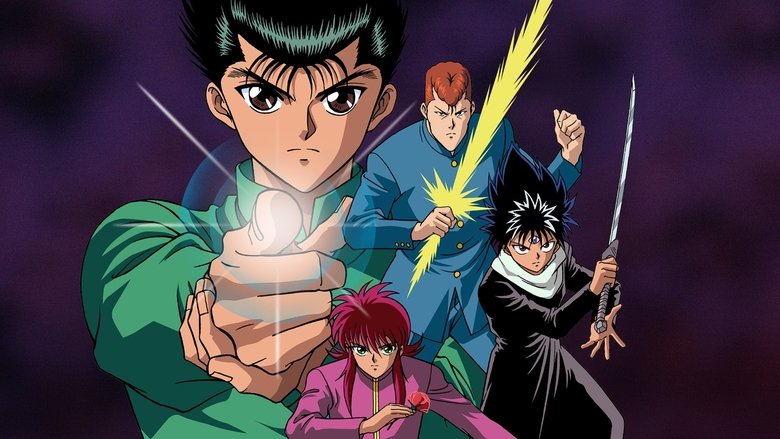
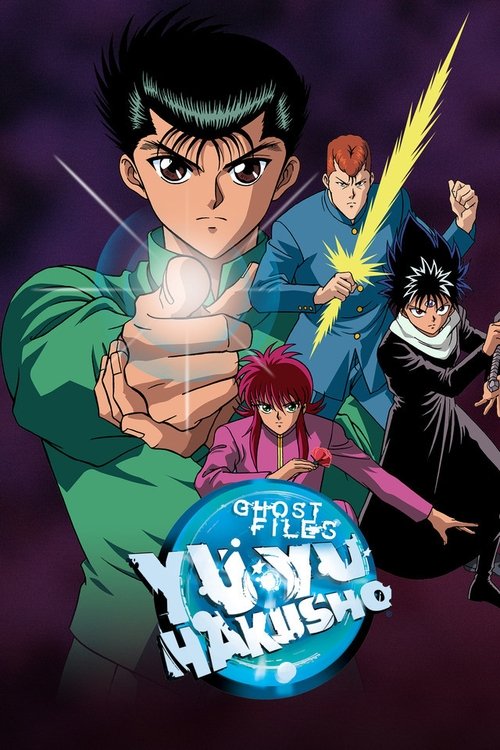
幽☆遊☆白書
Cast: Nozomu Sasaki, Shigeru Chiba, Megumi Ogata, Nobuyuki Hiyama, Yuri Amano
Yu Yu Hakusho — Movie Quotes
Memorable Quotes
No human is ever a one-man show.
Context
Genkai delivers this powerful line to Yusuke during the Dark Tournament Saga, as part of her final lessons to him before her fateful confrontation with Toguro. It's a pivotal moment in Yusuke's maturation.
Meaning
This quote encapsulates one of the series' core themes: the importance of friendship and relying on others. Genkai says this to Yusuke to make him understand that his actions and decisions affect the countless people who care about him, and that true strength comes from these connections, not just individual power.
We all have to die when our time comes, but if we do our duty, we don't got regret.
Context
Kuwabara says this during his grueling fight against the Elder Toguro brother in the Dark Tournament Saga. Despite being severely injured, his spirit remains unbroken, epitomizing his relentless will to fight for his friends.
Meaning
This quote perfectly represents Kuwabara's character: his unwavering sense of duty, honor, and courage in the face of impossible odds. It speaks to the theme of facing one's fate with dignity and purpose, ensuring that one's life, however long, has meaning.
Underestimating an opponent is the first step towards defeat.
Context
Kurama often expresses this sentiment, or acts upon it, throughout his battles in the series, particularly during the Dark Tournament where every opponent presents a unique challenge that requires careful dissection.
Meaning
This line highlights Kurama's analytical and strategic nature. It's a piece of wisdom that reflects his approach to every battle: careful observation and never taking an enemy for granted, no matter their apparent strength. It underscores the idea that intelligence and caution are as crucial as raw power in a fight.
Nothing worse than being strong, but not strong enough.
Context
Sensui says this during the Chapter Black Saga, expressing the existential frustration that fuels his desire to judge and destroy humanity. It provides insight into the psychological torment of the series' most complex antagonist.
Meaning
This quote reveals the tragic core of Sensui's character. It's a lament about the limits of power and the despair that comes from being unable to enact one's will or protect one's ideals, even with immense strength. It reflects his own traumatic past and his ultimate failure to save demons from human cruelty.
Explore More About This Movie
Dive deeper into specific aspects of the movie with our detailed analysis pages