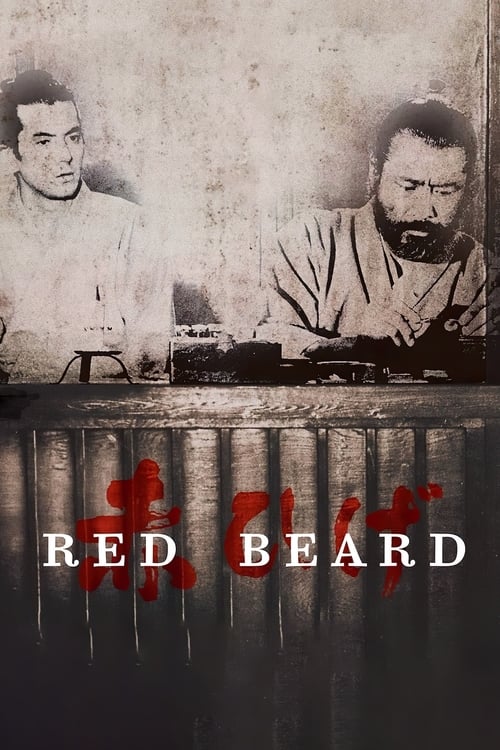
Red Beard
A sweeping humanist epic, this film paints a stark, compassionate portrait of suffering and redemption, where a gruff mentor's wisdom blossoms in a cynical young doctor's heart.
Red Beard

Red Beard

赤ひげ

"What is the key to life - power, prestige or peace?"

03 April 1965 Japan 185 min ⭐ 8.1 (384)
Director: Akira Kurosawa
Cast: Toshirō Mifune, Yūzō Kayama, Tsutomu Yamazaki, Reiko Dan, Miyuki Kuwano
Drama
Compassion and Humanism Social Injustice and Poverty The Master-Disciple Relationship and Education Existentialism and the Search for Meaning

Overview

Set in 19th-century Japan, "Red Beard" follows the journey of Dr. Noboru Yasumoto, a young, arrogant physician fresh from his studies in Western medicine. Expecting a prestigious position as the Shogun's personal doctor, he is instead assigned to a rural clinic for the poor. The clinic is run by the formidable and stern Dr. Kyojo Niide, nicknamed "Akahige" or "Red Beard" for his reddish beard and equally fiery demeanor.

Initially, Yasumoto rebels against his new environment, viewing the impoverished patients and the demanding Dr. Niide with disdain. He refuses to wear his uniform and deliberately breaks the clinic's rules in an attempt to be dismissed. However, through his encounters with the suffering and resilience of the patients, and under the strict yet compassionate mentorship of Red Beard, Yasumoto begins a profound personal transformation. He learns that medicine is not just about curing physical ailments but also about understanding the human heart and the societal injustices that cause so much pain.

Core Meaning

The core meaning of "Red Beard" is a profound exploration of humanism and existentialism, championed through the transformative power of compassion. Director Akira Kurosawa conveys the message that true healing extends beyond medical science to encompass empathy, patience, and the selfless dedication to alleviating human suffering. The film posits that confronting the harsh realities of poverty and ignorance is essential for spiritual and moral growth. Through the master-disciple relationship between Dr. Niide and Dr. Yasumoto, Kurosawa argues that a meaningful life is found not in personal ambition and status, but in serving others and recognizing the inherent dignity in every individual, no matter how destitute. The film is a powerful statement on social injustice, suggesting that many illnesses are a direct result of societal failings.

Thematic DNA

Compassion and Humanism 40%
Social Injustice and Poverty 25%
The Master-Disciple Relationship and Education 20%
Existentialism and the Search for Meaning 15%

Compassion and Humanism

This is the central theme of the film, embodied by Dr. "Red Beard" Niide. He teaches Dr. Yasumoto that a doctor must treat the whole person, not just the disease, and that true healing comes from empathy and understanding the stories of misfortune behind each illness. The film argues that compassion is not a weakness but a profound strength, capable of transforming both the healer and the patient. This is exemplified in Yasumoto's journey from an arrogant, self-centered individual to a caring physician who ultimately chooses to stay at the clinic for the poor.

Social Injustice and Poverty

Kurosawa presents a stark critique of the societal structures that perpetuate poverty and illness. Red Beard explicitly states that if it weren't for poverty, half of the clinic's patients wouldn't be sick. The film shows the devastating impact of social inequality on individuals, from the young girl Otoyo forced into prostitution to families who attempt suicide out of desperation. Kurosawa also includes a critique of the government's inadequate funding for the clinic, forcing Red Beard to find alternative means to care for his patients.

The Master-Disciple Relationship and Education

The dynamic between the experienced, wise Red Beard and the naive, prideful Yasumoto forms the narrative backbone of the film. It's a classic story of an education, where the student learns invaluable life lessons that transcend his formal medical training. Red Beard's mentorship is stern and demanding, but ultimately nurturing, guiding Yasumoto towards a more profound understanding of his profession and his place in the world. This theme is a recurring one in Kurosawa's filmography.

Existentialism and the Search for Meaning

The film delves into existential questions about the purpose of life in the face of suffering and death. Yasumoto's initial ambition for a prestigious career is challenged by the harsh realities of the clinic. He is forced to confront the suffering of others and, in doing so, finds a more meaningful existence through selfless service. The film suggests that personal change, rather than political systems, is the key to a better world.

Character Analysis

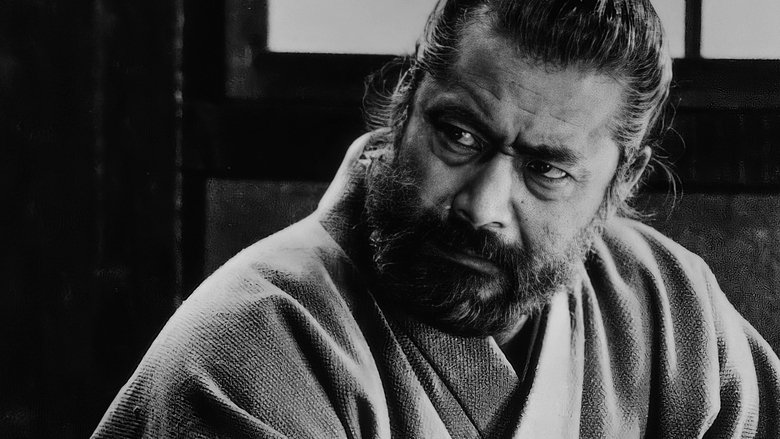
Dr. Kyojo Niide (Red Beard)

Toshirō Mifune

Archetype: Mentor
Key Trait: Authoritative Compassion

Motivation

Red Beard is motivated by a deep-seated sense of social justice and a profound empathy for the suffering of the poor. He believes that illness is inextricably linked to misfortune and societal ills like poverty and ignorance. His goal is not only to heal his patients' bodies but also to restore their dignity and to educate the next generation of doctors, like Yasumoto, to carry on this humanistic mission.

Character Arc

Dr. Niide's character is largely static, as he begins the film as a fully realized humanist, a pillar of strength and compassion. His arc is revealed through his actions and the influence he has on others. While he is a stern and demanding teacher, his profound empathy and unwavering dedication to his patients are ever-present. He is a dictator in his methods but a savior in his intentions, using his authority to protect the poor and guide his young intern.

Dr. Noboru Yasumoto

Yūzō Kayama

Archetype: The Initiate/Hero
Key Trait: Transformative

Motivation

Initially, Yasumoto is motivated by a desire for status, wealth, and a comfortable life as a physician to the shogun. This motivation shifts dramatically as he is exposed to the realities of the clinic. His new motivation becomes a genuine desire to alleviate suffering, to heal both physically and emotionally, and to live a life of meaningful service, following the example set by Red Beard.

Character Arc

Dr. Yasumoto undergoes the most significant character arc in the film. He begins as an arrogant, ambitious, and selfish young man who is disdainful of the poor and his forced assignment. Through witnessing the daily struggles and tragedies at the clinic and under Red Beard's guidance, he is humbled. He learns to see his patients as human beings with stories of great misfortune and discovers a deeper, more fulfilling purpose in medicine. His transformation is complete when he chooses to renounce a prestigious career to continue working at the clinic.

Otoyo

Terumi Niki

Archetype: The Innocent
Key Trait: Resilient

Motivation

Otoyo's initial motivation is survival, driven by fear and distrust. As she heals, her motivation shifts to a desire for connection and to reciprocate the kindness she has been shown. She becomes motivated by empathy, as seen when she helps Chobo, the young boy who steals food for his family.

Character Arc

Otoyo's arc is one of healing and rebirth. Rescued from a brothel, she is initially silent, fearful, and resistant to kindness due to the trauma she has endured. Through the patient and compassionate care of Yasumoto, she slowly begins to trust again and recovers both her physical health and her spirit. Her arc culminates in her own act of compassion towards a young thief, demonstrating that she has not only been healed but has also learned to heal others, thus continuing the "chain of good".

Sahachi

Tsutomu Yamazaki

Archetype: The Penitent
Key Trait: Benevolent

Motivation

Sahachi is motivated by a need for atonement. After the tragic death of his wife, for which he feels responsible, he dedicates his life to helping others as a way to expiate his perceived sins and to honor her memory.

Character Arc

Sahachi is a beloved patient at the clinic known for his kindness and generosity. His character arc is revealed posthumously through a long flashback as he tells his life story on his deathbed. We learn that his life of good deeds is an act of penance for a tragic past involving the death of his wife. His story serves as a powerful lesson for Yasumoto about the hidden sorrows and complexities behind a person's life.

Symbols & Motifs

The Clinic

Meaning:

The clinic symbolizes a microcosm of a harsh and unforgiving world, a place where the consequences of poverty and social injustice are laid bare. However, it also represents a sanctuary of humanism and compassion, a beacon of hope where the destitute can find care and dignity. It is a place of transformation, not only for the patients but for the doctors as well.

Context:

The entire film is set within or in relation to the clinic. Its dilapidated state reflects the societal neglect of the poor, while the dedicated staff embodies the film's core message of selfless service.

The Mantis (The Madwoman)

Meaning:

The character known as "The Mantis" symbolizes the destructive cycle of abuse and trauma. A victim of horrific abuse herself, she has become a perpetrator of violence, representing a soul twisted by suffering. She serves as a stark warning of what can happen when innocence is corrupted, and her case highlights the limitations of purely physical medicine in healing deep psychological wounds. She also represents a challenge to Yasumoto's initial arrogance and lack of understanding.

Context:

Confined to a special house within the clinic, she attacks Yasumoto early in the film, a pivotal moment that begins to shatter his self-assurance. Her backstory reveals the societal evils that Red Beard and his team are fighting against.

Otoyo, the Young Girl

Meaning:

Otoyo symbolizes innocence crushed by a cruel world, a direct victim of the poverty and exploitation the film critiques. Her journey from a traumatized, silent girl rescued from a brothel to a caring individual who shows compassion to others represents the possibility of healing and redemption through kindness and patience. Her recovery parallels Yasumoto's own moral and spiritual development.

Context:

Red Beard rescues Otoyo and assigns her to Yasumoto as his first real patient. The process of caring for her is a crucial part of Yasumoto's transformation. In a key scene, after her own recovery, she in turn cares for a sick Yasumoto, demonstrating the cyclical nature of compassion.

The Well

Meaning:

The well into which the women of the clinic shout a dying boy's name symbolizes a connection to ancient, communal traditions and a desperate hope in the face of death. It represents a form of spiritual or emotional healing that complements the scientific approach of the doctors, suggesting that faith and community support are also vital in the struggle for life.

Context:

Towards the end of the film, when a young boy, Chobo, is dying from poison, the women of the clinic gather around a well and repeatedly shout his name, a folk belief that it can call a soul back from the brink of death. This powerful and emotional scene highlights the community's collective will to save one of their own.

Memorable Quotes

It smells like rotten fruit.

— Dr. Noboru Yasumoto

Context:

Spoken to another doctor, Genzo Tsugawa, as he is first shown around the clinic's outpatient waiting room, which is filled with destitute and sick people. It establishes his initial character and the grim setting of the film.

Meaning:

This quote, spoken by Yasumoto upon his arrival at the clinic, starkly reveals his initial arrogance and disgust for the impoverished environment he has been forced into. The reply he receives, "It's the smell of the poor," serves as a blunt introduction to the harsh reality he has yet to comprehend and accept.

If it weren't for poverty, half of these people wouldn't be sick. There is always some story of great misfortune behind illness.

— Dr. Kyojo Niide (Red Beard)

Context:

Red Beard says this to Yasumoto in his office, explaining the reality of the clinic and its patients. It's a direct counter to Yasumoto's complaints about the clinic's lack of government funding and resources.

Meaning:

This is one of Red Beard's most direct statements of his philosophy and the film's core message. It articulates the theme of social injustice, asserting that many physical ailments are symptoms of deeper societal problems. It is a crucial lesson for Yasumoto, shifting the focus of medicine from mere biology to a more holistic, compassionate understanding of the human condition.

The pain and loneliness of death frighten me. But Dr. Niide looks at it differently. He looks into their hearts as well as their bodies.

— Dr. Handayu Mori

Context:

Dr. Mori says this to Yasumoto, offering him a different perspective on their mentor and the work they do at the clinic. It is one of the early moments that begins to chip away at Yasumoto's cynical exterior.

Meaning:

This quote, from one of the other doctors at the clinic, perfectly encapsulates Red Beard's humanistic approach to medicine. It highlights the profound difference between simply treating a disease and caring for a human being. It emphasizes that Red Beard's greatness lies in his empathy and his ability to see the emotional and spiritual suffering of his patients, not just their physical symptoms.

Philosophical Questions

What is the true nature of healing?

The film relentlessly explores this question, contrasting Yasumoto's initial belief in the detached, scientific application of Western medicine with Red Beard's holistic, humanistic approach. It asks whether a doctor's role is simply to cure disease or to alleviate human suffering in all its forms—physical, emotional, and spiritual. Red Beard's philosophy, that one must look into the hearts of patients as well as their bodies, suggests that true healing requires empathy, patience, and an understanding of the social and personal misfortunes that lie at the root of illness.

Can an individual's compassion make a difference in the face of systemic social injustice?

"Red Beard" presents a world rife with poverty and cruelty, where systemic problems seem insurmountable. The clinic itself is underfunded and constantly struggling. However, the film champions a form of existential humanism, arguing that while one person may not be able to eliminate poverty, individual acts of kindness and selfless dedication can create a powerful "chain of good". Red Beard's unwavering commitment, which inspires Yasumoto and is passed on to Otoyo, suggests that the moral choice to act compassionately is a profound and meaningful response to a seemingly indifferent world.

What is the path to a meaningful life?

The film contrasts two paths: Yasumoto's initial desire for prestige, wealth, and power versus Red Beard's life of austere self-sacrifice. Through Yasumoto's transformation, Kurosawa argues that a truly meaningful existence is not found in personal gain but in service to others. The film suggests that by confronting suffering directly, rather than averting one's eyes, an individual can shed their own ego and find a deeper, more profound sense of purpose.

Alternative Interpretations

While the dominant interpretation of "Red Beard" focuses on the master-disciple relationship between Dr. Niide and Dr. Yasumoto, a compelling alternative reading suggests that the film's core narrative is about Yasumoto's growth and self-actualization through his interactions with the female characters. This interpretation posits that while Red Beard provides the moral framework and example, it is the women—the manipulative "Mantis," the traumatized but resilient Otoyo, and the tragic stories of other female patients—who provide the direct emotional experiences that truly shape Yasumoto's transformation.

This reading argues that the story of his failed engagement, which frames the entire narrative, is not an extraneous subplot but central to his development. His journey is not just about becoming a good doctor, but about becoming a mature man who can understand and empathize with the suffering of others, particularly women. His ultimate decision to forgive his ex-fiancée, rather than just donning the clinic's uniform, could be seen as the true climax of his personal growth. This perspective challenges the idea that Mifune's character is the sole catalyst, suggesting instead that his dominance in the film might have unintentionally overshadowed the subtler, but equally crucial, narrative of Yasumoto's education through female experience.

Cultural Impact

"Red Beard" is often seen as the culmination of a major period in Akira Kurosawa's career, marking the end of his collaboration with Toshiro Mifune and his work in black and white. Released in 1965, it came at the tail end of the "Golden Age" of Japanese cinema and represented a powerful, humanistic statement from the director. The film's source material is a collection of short stories by Shūgorō Yamamoto, with a significant subplot inspired by Dostoevsky's "Humiliated and Insulted," reflecting Kurosawa's deep appreciation for Russian literature.

Critically, "Red Beard" was a major success in Japan, both commercially and with critics, winning numerous awards. Its reception in the West was more mixed initially, with some critics finding its three-hour runtime and deliberate pacing to be slow or sentimental. However, influential critics like Roger Ebert championed the film for its novelistic depth and profound humanism, and its reputation has grown immensely over the years, now being widely regarded as a masterpiece.

The film's influence can be seen in its exploration of the mentor-student dynamic and its unflinching look at social issues within a historical context. Its central theme—that change must come from within each individual—marked a philosophical shift for Kurosawa, who had previously explored change through political or systemic means. The rift between Kurosawa and Mifune after this film had a significant impact on both of their subsequent careers. Kurosawa found it increasingly difficult to get funding for his ambitious projects, while Mifune, though he continued to work, was never again part of such a fruitful artistic partnership.

Audience Reception

"Red Beard" was a significant box office success in Japan, becoming one of the highest-grossing domestic films of 1965 and earning widespread critical acclaim. However, its reception in the West was initially more divided. While many critics praised its depth, powerful performances, and humanistic themes, some found its three-hour runtime and deliberate pacing to be excessively slow and its tone overly sentimental, deriding it as a "soap opera". Over time, however, its international reputation has grown considerably, and it is now widely regarded by critics and cinephiles as one of Kurosawa's masterpieces. Audiences generally praise Toshiro Mifune's commanding yet compassionate performance, the powerful emotional arcs of the characters, and the film's profound philosophical weight. Common points of criticism from some viewers include its slow pace and episodic structure, which deviates from a traditional narrative for long stretches to focus on the stories of various patients. Despite this, the overall verdict from audiences who appreciate classic, character-driven cinema is overwhelmingly positive, with many considering it a deeply moving and life-affirming experience.

Interesting Facts

  • "Red Beard" was the sixteenth and final collaboration between director Akira Kurosawa and actor Toshiro Mifune, ending one of the most celebrated actor-director partnerships in cinema history.
  • The film's production was famously long and arduous, taking two years to shoot. Toshiro Mifune had to keep his beard for the entire duration of filming, which prevented him from taking on other roles and reportedly caused financial strain, contributing to the eventual rift with Kurosawa.
  • Kurosawa was a stickler for authenticity. The main set was an entire, meticulously constructed town built with period-accurate materials, including wood from old farmhouses. Much of this elaborate set was barely shown in the final film.
  • The subplot involving the young girl, Otoyo, was not in the original short stories by Shūgorō Yamamoto. Kurosawa added this storyline, drawing inspiration from the character Nellie in Fyodor Dostoevsky's novel "Humiliated and Insulted".
  • This was the last film Akira Kurosawa shot in black and white.
  • The film was a major box office success in Japan, becoming one of the highest-grossing Japanese films of 1965.
  • Toshiro Mifune won the Volpi Cup for Best Actor at the Venice Film Festival for his performance as Dr. Niide.

⚠️ Spoiler Analysis

Click to reveal detailed analysis with spoilers

Frequently Asked Questions

Explore More About This Movie

Dive deeper into specific aspects of the movie with our detailed analysis pages

Comments (0)

Leave a comment

No comments yet. Be the first to share your thoughts!