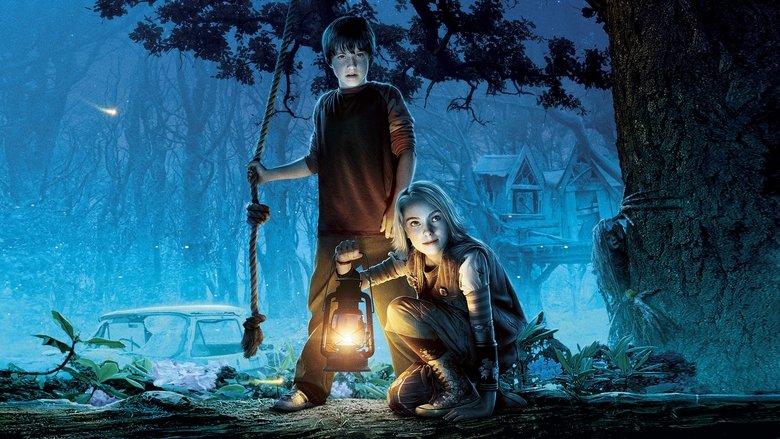

The narrative fulcrum of Bridge to Terabithia turns on the sudden, shocking death of Leslie Burke, an event that reframes every preceding moment of childhood wonder. While it is raining heavily, Jesse receives an unexpected invitation from his music teacher, Ms. Edmonds, to spend the day exploring the National Gallery of Art in Washington, D.C. Flattered by exclusive adult validation and harboring a schoolboy crush, Jesse intentionally neglects to invite Leslie along, seeking a rare private sanctuary where he does not have to share Ms. Edmonds' attention.
This relatable, minor impulse of selfishness precipitates catastrophe. While Jesse is immersed in the art museum, Leslie attempts to cross the swollen creek to Terabithia alone. The old rope swing snaps, causing her to strike her head on the rocks and drown. Jesse returns home filled with creative euphoria, only to be crushed when his parents deliver the devastating news. Jesse moves through visceral stages of grief: initial denial, violent anger toward his sister, and soul-crushing guilt, convinced that his decision to leave Leslie behind caused her death.
The film's resolution provides emotional catharsis without false sentimentality. Jack Aarons embraces his grieving son, reassuring him that love outlasts death and dispelling fears of divine damnation. Jesse channels his grief into creation: using lumber from his father, he constructs a sturdy wooden bridge across the creek, permanently retiring the hazardous rope. Jesse then leads May Belle across the bridge, crowning her as the new princess of Terabithia and ensuring that Leslie's spirit of open-hearted imagination continues to illuminate the world.