Feast
Overview
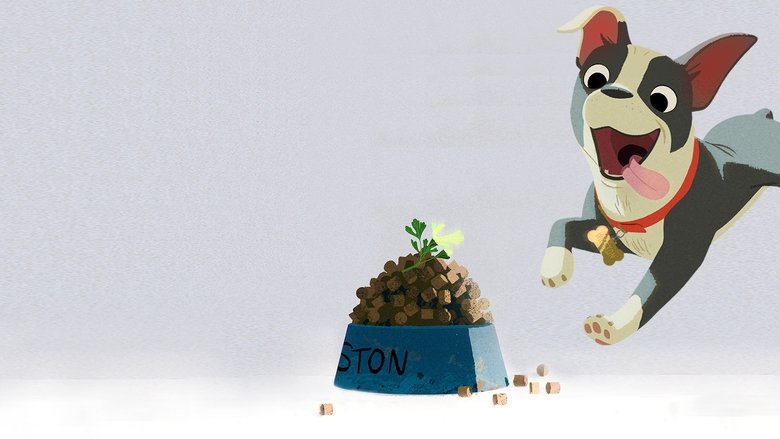
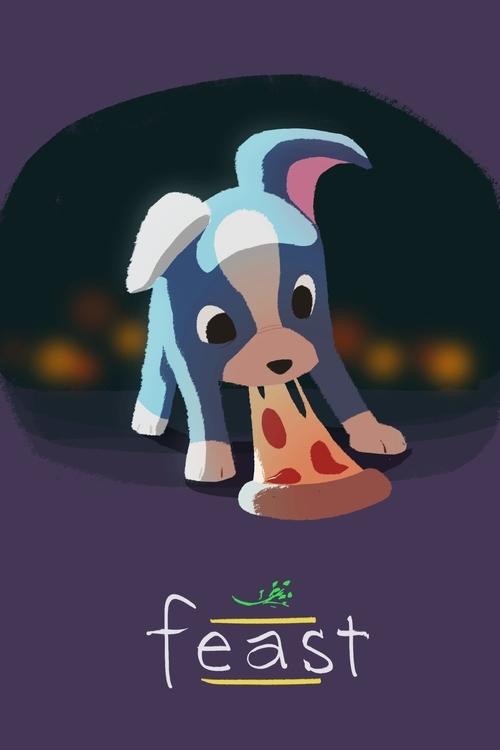
"Feast" is a heartwarming and innovative animated short film from Walt Disney Animation Studios. The story chronicles the life of a man named James, as seen through the eyes of his best friend and dog, a Boston Terrier named Winston. The narrative unfolds through the meals they share, with each dish representing a different stage in James's life. We see their bond grow from the first dropped french fry that brings them together, through a period of junk food bliss, to the introduction of a new love, Kirby, who brings healthier meals into the picture.
The film cleverly uses Winston's diet to reflect the emotional tone of James's relationships. When James and Kirby's relationship hits a rough patch, Winston is initially thrilled by the return of junk food, but soon realizes his owner's happiness is more important than his own culinary desires. The short beautifully captures the essence of love, compromise, and the profound connection between a man and his dog, all without a single word of spoken dialogue from the main characters.
Core Meaning
The central message of "Feast" revolves around the idea of selfless love and the sacrifices we make for those we care about. Director Patrick Osborne intended to explore how a life story could be told through the meals shared, illustrating the emotional significance of food in our relationships. The film suggests that true happiness comes not from personal indulgence but from the joy and well-being of our loved ones. Winston's journey from a food-obsessed stray to a loyal companion who actively works to reunite his owner with his love interest demonstrates that love requires compromise and putting others' needs before our own. Ultimately, the film conveys that the 'feast' of life is not just about the food we eat, but about the people we share it with and the love that nourishes our souls.
Thematic DNA
Love and Relationships
The film charts the evolution of James's romantic life, from singlehood to meeting Kirby, their subsequent breakup, and eventual reconciliation and marriage. This journey is mirrored in the types of food they eat, with junk food representing a bachelor lifestyle and healthier meals signifying a committed relationship. The theme is powerfully conveyed through Winston's perspective, as he learns to accept the changes in his owner's life and diet for the sake of his happiness.
Sacrifice and Selflessness
Winston's character arc is defined by his transition from a selfish focus on food to a selfless concern for his owner's emotional well-being. He initially resents the healthy food Kirby introduces but later recognizes his owner's depression after their breakup. His decision to bring them back together, even at the expense of his beloved junk food, is the ultimate act of sacrifice, highlighting the theme that true companionship involves putting others' happiness first.
Food as a Reflection of Life
The central premise of the film is that meals can tell a story. Each dish Winston eats—from leftover pizza and spaghetti to brussels sprouts and wedding cake—serves as a marker for a specific moment in James's life. The food becomes a powerful symbol of love, loneliness, celebration, and change, demonstrating how our eating habits are intrinsically linked to our emotional states and relationships.
Companionship
The film celebrates the unwavering bond between a human and a pet. Winston is more than just a dog; he is James's constant companion through all of life's ups and downs. The story is told entirely from his perspective, emphasizing the importance of this relationship. Their connection is initially built on shared meals but deepens into a profound friendship based on loyalty and mutual care.
Character Analysis
Winston
N/A (Animal Character)
Motivation
Initially, Winston's primary motivation is food. However, as his bond with James deepens, his motivation shifts to ensuring his owner's happiness, even if it means giving up the food he loves.
Character Arc
Winston begins as a stray puppy solely motivated by his next meal. After being adopted by James, his world revolves around the delicious junk food they share. His arc begins when James's girlfriend, Kirby, introduces healthy food, forcing Winston to confront a change in his comfortable routine. Initially resistant, Winston's love for his owner ultimately transcends his gluttony. He witnesses James's heartbreak and chooses to sacrifice his own desire for junk food to bring the couple back together, demonstrating his growth into a selfless and loyal friend.
James
Stephen Apostolina (voice)
Motivation
James's motivation is to find love and companionship, both with his dog, Winston, and his romantic partner, Kirby. His actions and lifestyle changes are driven by the progression of his relationship.
Character Arc
James is the human protagonist whose life journey is told through his meals with Winston. He starts as a single man living on junk food. When he meets and falls in love with Kirby, a waitress, he embraces a healthier lifestyle. After their relationship ends, he falls into a depression, reverting to his old habits. Prompted by Winston, he reconciles with Kirby, gets married, and starts a family, showing his growth into a mature and committed partner and father.
Kirby
Terri Douglas (voice)
Motivation
Kirby's motivation is to build a healthy and happy life with James. She influences him to adopt better habits, which ultimately strengthens their bond.
Character Arc
Kirby is a waitress who becomes James's love interest. She enters the story and introduces a significant change in James's (and Winston's) life by encouraging a healthier diet. While her perspective isn't the focus, her presence is the catalyst for the film's central conflict and eventual resolution. She represents positive change and the compromises inherent in a loving relationship.
Symbols & Motifs
Junk Food
Symbolizes single life, indulgence, and a carefree, bachelor lifestyle. It also represents comfort and a return to old habits during times of sadness.
In the beginning, James and Winston bond over an abundance of junk food like pizza, bacon, and nachos. After James and Kirby break up, he reverts to these eating habits, which initially pleases Winston.
Healthy Food (Vegetables)
Represents the influence of a new relationship, compromise, and a healthier, more mature lifestyle. Initially, it is seen as an unwelcome change by Winston.
When James starts dating Kirby, a waitress, she introduces healthy foods like brussels sprouts into their diet, much to Winston's disgust.
Parsley
Symbolizes Kirby's presence and the love James feels for her. It acts as a catalyst for Winston's realization and subsequent action to reunite the couple.
A single sprig of parsley on Winston's food reminds a depressed James of Kirby, triggering his sadness. Winston then steals the parsley and takes it to Kirby to bring them back together.
Meatball
Symbolizes the happy culmination of James and Kirby's relationship and the beginning of their new family. It represents a joyful compromise between the old and new ways of life.
At the end of the film, after James and Kirby have a baby, a meatball falls from the baby's highchair, signaling to Winston that delicious human food is once again a part of his life, bringing the story full circle.
Philosophical Questions
What is the nature of selfless love?
The film explores this question through the character of Winston. His love for James evolves from a transactional relationship based on food to a genuine, selfless bond. Winston's ultimate act of reuniting James and Kirby, even though it means a return to the healthy food he dislikes, forces the viewer to consider what it means to truly love someone. It suggests that true love involves prioritizing another's happiness over one's own desires and comforts, a sacrifice that ultimately leads to a deeper, more fulfilling connection.
How do our daily rituals define our lives and relationships?
"Feast" uses the daily ritual of eating to chronicle the significant moments in a person's life. The shared meals are not just about sustenance; they are a backdrop for courtship, conflict, and reconciliation. The film posits that the mundane, everyday moments—the shared pizza on the couch, the celebratory dinner, the sad, lonely takeout—are the very fabric of our lives and relationships. It encourages the audience to find the profound in the ordinary and to recognize how our shared rituals shape our personal histories.
Alternative Interpretations
While the primary interpretation of "Feast" focuses on love and sacrifice, some critics have offered alternative readings. One perspective analyzes the film through a gendered lens, suggesting it reinforces stereotypes. In this view, the male protagonist, James, is associated with indulgent, messy "male" foods (junk food), while the female character, Kirby, introduces restrictive, "female" foods (healthy vegetables). The narrative could be seen as suggesting that women are civilizing forces who curb male appetites. The resolution, where the family is complete and Winston can once again enjoy dropped human food (a meatball from the baby), is seen by some as a return to a happy medium where masculine and feminine influences are balanced. Another, more implicit, interpretation views the short as a commentary on modern consumerism and the way our lives are chronicled and defined by what we consume, an idea reinforced by the director's inspiration from the "1 Second Everyday" app.
Cultural Impact
"Feast" was released in 2014, accompanying the theatrical run of Disney's "Big Hero 6". It was part of a revived initiative at Walt Disney Animation Studios to produce animated shorts, a practice that had been a hallmark of the studio's early years. The film was critically acclaimed for its heartfelt story and innovative visual style, which blended 2D and 3D animation techniques. It won both the Annie Award for Best Animated Short Subject and the Academy Award for Best Animated Short Film, solidifying its place as a significant work in contemporary animation. The short was praised for its ability to tell a complete and emotionally resonant story in just six minutes without dialogue. Its unique narrative device of telling a human love story through the meals of a dog was widely celebrated for its creativity and effectiveness. While not a cultural phenomenon in the way a feature film might be, "Feast" was lauded by critics and audiences alike, contributing to the prestige of Disney's animation studio and showcasing its commitment to artistic experimentation and powerful storytelling in the short film format.
Audience Reception
Audience reception for "Feast" was overwhelmingly positive. Viewers were charmed by the adorable protagonist, Winston, and the film's heartwarming and emotional story. Many praised its clever and creative storytelling, which effectively conveyed a full narrative arc without dialogue, relying instead on visual cues and the changing menu. The animation style, a blend of 2D and 3D techniques, was also widely admired for its unique and appealing aesthetic. The primary point of praise was the film's ability to evoke a strong emotional response in a very short runtime, with many viewers reporting that they laughed and cried. Criticism was minimal, though some commentators pointed out that the story relies on familiar romantic comedy tropes and gendered stereotypes about food habits. Overall, audiences found "Feast" to be a delightful, touching, and beautifully crafted short film that served as a perfect appetizer to the main feature, "Big Hero 6".
Interesting Facts
- The film's director, Patrick Osborne, was inspired by the app "1 Second Everyday," which allows users to record one-second video snippets daily. He created a video of his own dinners in 2012, which formed the basis for the short's concept.
- "Feast" was the first film to use the Meander animation system, developed for Disney's earlier short "Paperman," in full color.
- The film was rendered using Hyperion, the same rendering engine built for "Big Hero 6".
- The filmmakers chose a Boston Terrier for Winston because the breed had not appeared in a previous Disney film, its small size was practical for the story, and its distinct markings were clear in the film's flat, graphic style.
- The project was green-lit in October 2013 and had to be completed for a premiere at the Annecy International Animated Film Festival on June 10, 2014.
- "Feast" won the Academy Award for Best Animated Short Film at the 87th Academy Awards.
- The human characters are intentionally kept out of focus for much of the film to emphasize Winston's perspective; they only become clearer when Winston starts paying more attention to them than the food.
- A shot of spaghetti and meatballs was included in the credits as a direct homage to Disney's classic "Lady and the Tramp".
⚠️ Spoiler Analysis
Click to reveal detailed analysis with spoilers
Frequently Asked Questions
Explore More About This Movie
Dive deeper into specific aspects of the movie with our detailed analysis pages
Comments (0)
No comments yet. Be the first to share your thoughts!