Skip to content
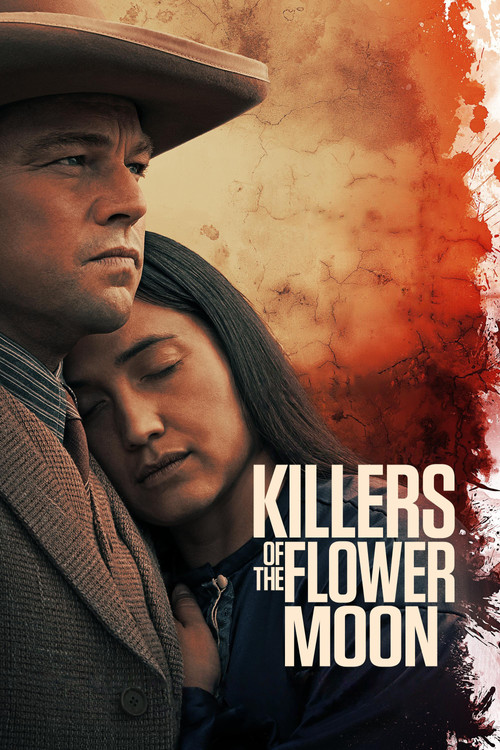
Killers of the Flower Moon
A grim, slow-burning historical crime tragedy steeped in suffocating dread, exposing the monstrous banality of evil lurking beneath declarations of love on sacred prairie earth choked by black oil.
Killers of the Flower Moon

"Can you find the wolves in this picture?"

18 October 2023 United States of America 206 min 7.4 (4,308)

Director: Martin Scorsese

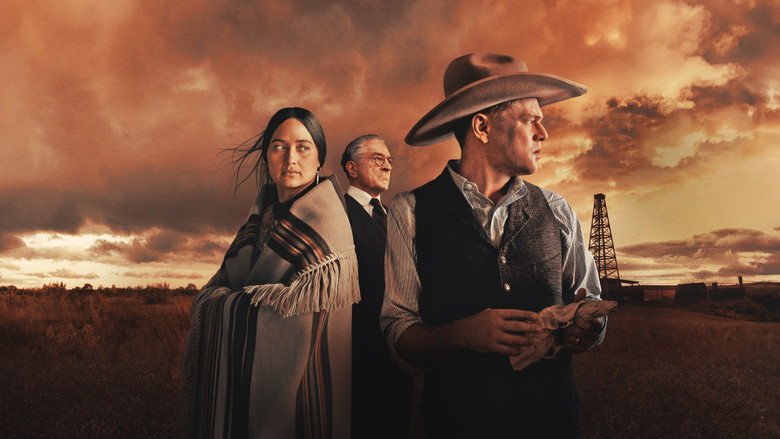
Cast: Leonardo DiCaprio, Robert De Niro, Lily Gladstone, Jesse Plemons, Tantoo Cardinal

Drama Crime History Systemic Erasure and Colonization Greed, Extraction, and Exploitative Capitalism The Banality of Evil and Compartmentalized Betrayal The Complicity of Storytelling and Mass Entertainment
Budget: $200,000,000
Box Office: $158,722,599

Killers of the Flower Moon — Ending Explained

⚠️ Spoiler Analysis

The narrative systematically details the targeted murder of Mollie Burkhart’s family to consolidate their subterranean headrights: Minnie dies of a mysterious wasting illness, Anna Brown is executed in a ravine with Ernest's assistance, their mother Lizzie Q is slowly poisoned, and Rita Smith is killed alongside her husband when their home is leveled by dynamite.

Simultaneously, local white physicians supply Ernest with tainted insulin under the guise of treating Mollie’s diabetes. Ernest dilutes and injects the poison himself, driving Mollie near death. Following the arrival of federal investigator Tom White, Hale eliminates pawns to conceal his trail. Ernest is arrested and initially stays loyal to Hale, but the death of his young daughter Anna from whooping cough motivates him to testify against his uncle in federal court.

After exposing Hale's scheme on the witness stand, Ernest meets Mollie in private. Mollie asks him what was in the medicine he repeatedly injected into her; Ernest maintains his lie, claiming it was "just insulin." Mollie walks out in silence, ending their marriage. The narrative concludes with a 1930s radio theater production of The Lucky Strike Hour, in which sound-effects artists dramatize the tragedy. Martin Scorsese appears to read Mollie’s 1937 obituary, noting that her public memorial made no mention of the murders that destroyed her family.

Alternative Interpretations

Debate centers around the authenticity of Ernest Burkhart's feelings toward Mollie. One interpretation views Ernest as experiencing genuine cognitive dissonance: he truly loved Mollie and their children, but possessed such profound intellectual and moral deficiency that he compartmentalized his affection from the murders. An alternative interpretation views Ernest as a purely predatory sociopath whose domestic warmth was entirely performative to keep Mollie pacified while orchestrating her demise.

The 1930s radio play ending is viewed by some as a biting critique of pop-culture true crime, exposing how ethnic cleansing is trivialized into radio advertisements and light theater. Simultaneously, it acts as Scorsese's personal mea culpa, acknowledging that his own $200-million film remains an outsider's entertainment product.

The concluding overhead shot of modern Osage dancers moving in an open-air circular drum dance is widely interpreted as a celebration of enduring survival, asserting that despite systematic extraction and violence, the Osage people remain unbroken and sovereign.

Explore More About This Movie

Dive deeper into specific aspects of the movie with our detailed analysis pages

Similar Movies