
Skip to content
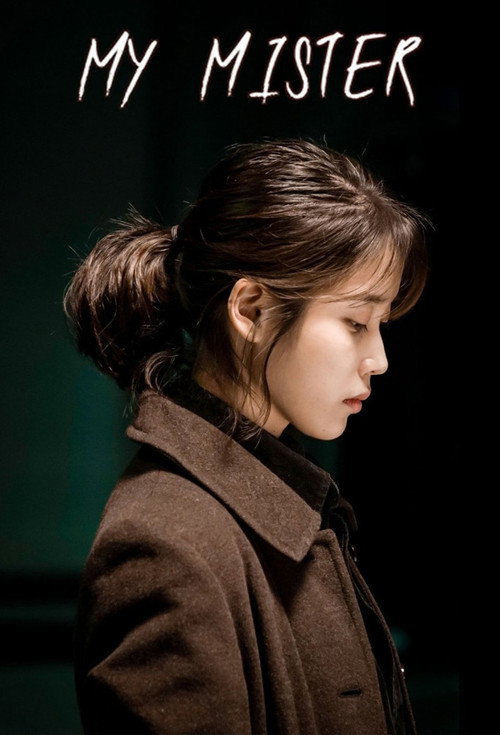
My Mister
Bleak urban realism softens into a profoundly cathartic study of human communion, capturing two battered souls leaning against the harsh winter wind like cracked structural pillars holding each other upright until spring arrives.
My Mister

My Mister

나의 아저씨

"You're so nice to anyone, like an idiot. That's why you're always suffering."

21 March 2018 — 17 May 2018 South Korea 1 season 16 episode Ended 8.6 (201)

Cast: Lee Sun-kyun, IU, Goh Doo-shim, Park Ho-san, Song Sae-byuk

Drama Radical Empathy & Mutual Salvation The Weight of Existence & Stoic Endurance Communal Belonging & Found Sanctuary Shame, Generational Poverty & Debt Redemption & Transcendence of Transgression

Overview

My Mister (나의 아저씨, tvN, 2018) is a character-driven psychological drama created by Studio Dragon, penned by writer Park Hae-young, and directed by Kim Won-seok. Set in modern-day Seoul, the narrative follows two deeply alienated individuals navigating oppressive socioeconomic burdens. Park Dong-hoon is an unassuming, stoic structural engineer in his 40s enduring middle-management stagnation, marital estrangement, and the weight of being the sole provider and emotional backbone for his extended family. Lee Ji-an is a cold, cynical temp worker in her early 20s who is crushed by inherited generational debt, relentless physical and emotional abuse from loan sharks, and the responsibility of caring for her deaf, bedridden grandmother.

Their paths cross when an accidental corporate bribery scandal draws Ji-an into an espionage scheme orchestrated by the company's corrupt, younger CEO to get Dong-hoon fired. Desperate for money, Ji-an agrees to wiretap Dong-hoon's smartphone to manufacture grounds for his dismissal. However, as she spends weeks secretly listening to every detail of his daily life—his sigh-laden commutes, quiet conversations, silent tears, and unyielding decency—her mercenary intentions give way to profound empathy. Dong-hoon, recognizing Ji-an's desperate isolation, extends unconditional kindness and protection to her, defying corporate and social norms.

Anchored by a vibrant, melancholic ensemble of neighborhood regulars in the working-class district of Huam-dong, the series shifts from an espionage-laced workplace conflict into an exploration of community, grief, and emotional redemption. Across 16 extended episodes, My Mister traces the gradual, agonizing process by which two fractured individuals guide one another toward healing and self-worth.


Core Meaning

At its core, My Mister asserts that unconditional empathy and simple human recognition possess the power to rescue individuals from profound existential and social isolation. Modern societal metrics of success—wealth, corporate rank, superficial social standing—often mask devastating internal fractures. The drama posits that no person is completely disposable, that past traumas do not define human value, and that endurance is not meant to be a solitary act. Through authentic interpersonal connection and communal belonging, even the most deeply wounded human beings can dismantle their defenses and achieve genuine emotional peace (pyeon-an).

Thematic DNA

Radical Empathy & Mutual Salvation 30%
The Weight of Existence & Stoic Endurance 25%
Communal Belonging & Found Sanctuary 20%
Shame, Generational Poverty & Debt 15%
Redemption & Transcendence of Transgression 10%

Radical Empathy & Mutual Salvation

The central spine of the series explores how listening deeply to another person's suffering without judgment creates a bridge of shared humanity. Ji-an's act of wiretapping morphs from an intrusive violation into an intimate communion, leading both characters to save each other's lives.

The Weight of Existence & Stoic Endurance

Characters repeatedly confront the grinding fatigue of adulthood—the internal force resisting external force. The series deconstructs how societal pressure forces individuals into silent suffering, emphasizing that true maturity requires vulnerability rather than perpetual endurance.

Communal Belonging & Found Sanctuary

Set against cold corporate high-rises, Jung-hee’s neighborhood bar represents an essential sanctuary. The tight-knit network of middle-aged failures proves that dignity and warmth thrive not through economic victory, but through mutual solidarity and presence.

Shame, Generational Poverty & Debt

Ji-an's reality exposes the predatory cycle of private debt in South Korea, where the disadvantaged are criminalized and socially invisible. The narrative interrogates how financial vulnerability strips people of their dignity and how collective support can restore it.

Redemption & Transcendence of Transgression

Transgressions—adultery, wiretapping, manslaughter in self-defense, professional sabotage—are neither glossed over nor treated with superficial moralism. Instead, the narrative emphasizes emotional restitution, confession, and the capacity to rebuild a life after moral collapse.

Character Analysis

Park Dong-hoon

Lee Sun-kyun

Archetype: The Reluctant Pillar / Everyman Hero Key Trait: Uncompromising integrity and quiet, steadfast kindness.

Motivation

To protect his family, preserve harmony, and quietly endure life's hardships; later shifts toward claiming true inner peace and emotional authenticity.

Character Arc

At the start, Dong-hoon is an emotionally numb, weary corporate engineer who absorbs constant disrespect and personal betrayal in silence. Through his encounter with Ji-an and confronting his wife’s infidelity, he learns to acknowledge his own pain, voice righteous anger, accept help, and eventually step into authentic executive leadership and self-determination.

Lee Ji-an

Lee Ji-eun / IU

Archetype: The Wounded Antihero / Reclaimed Soul Key Trait: Steely resilience and fierce emotional devotion.

Motivation

Basic daily survival and paying off inherited loans; evolves into fiercely protecting Dong-hoon and striving to become a genuinely good person.

Character Arc

Beginning as an emotionally detached, mistrustful survivor who weaponizes cynicism to navigate crushing debt and trauma, Ji-an slowly softens as she experiences Dong-hoon’s unconditional kindness. She sheds her survivalist armor, embraces communal warmth, seeks legal and moral accountability, and rebuilds herself into an open, thriving professional.

All 5 characters and cast

Symbols & Motifs

The Wiretap / Headphones

Meaning:

Initially a mechanism of corporate betrayal and surveillance, the audio stream evolves into an umbilical cord of emotional lifeline.

Context:

Dong-hoon’s breathing, footsteps, and quiet sighs provide Ji-an with the only consistent, comforting presence in her isolated world.

Ji-an’s Worn-Out Canvas Sneakers

Meaning:

Visually encapsulates Ji-an's destitution, vulnerability, and utter disregard for her own physical well-being.

Context:

She wears thin, beat-up summer sneakers through sub-zero winter temperatures until Dong-hoon buys her new winter footwear, marking his recognition of her overlooked humanity.

Structural Engineering & Safety Inspections

Meaning:

Operates as an extended metaphor for the human psyche and resilience under psychological strain.

Context:

Dong-hoon explains that buildings collapse when internal strength is weaker than external pressure, directly reflecting his and Ji-an's internal emotional states.

Jung-hee’s Bar and the Nightly Commute

Meaning:

Represents communal solidarity, shared grief, and protective community guardianship.

Context:

The dimly lit tavern acts as a safe haven, and the evening walks down the Huam-dong alleyway feature neighborhood men escorting Ji-an safely home.

The Barren Tree / Monk Sang-won’s Temple

Meaning:

Symbolizes spiritual reckoning, detachment from worldly illusions, and the shedding of superficial ego.

Context:

Dong-hoon’s visits to his childhood friend Sang-won at the mountain temple highlight the contrast between secular corporate struggle and spiritual peace.

The Mixed Coffee Packets

Meaning:

Represents survival, destitution, and the subtle blossoming of reciprocal care.

Context:

Ji-an initially pockets instant coffee packets from the breakroom for basic sustenance, and later offers one to Dong-hoon as an expression of connection.

Memorable Quotes

네가 대수롭지 않게 받아들이면, 남들도 대수롭지 않게 생각해. 네가 심각하게 받으면, 남들도 심각하게 생각하고. 모든 일이 그래, 항상 네가 먼저야. 옛날 일? 아무것도 아니야. 네가 아무것도 아니라고 생각하면, 아무것도 아니야.
— Park Dong-hoon

Context

Spoken to Lee Ji-an in Episode 11 after learning about her tragic past and her killing of Kwang-il's father in self-defense.

Meaning

Frees Ji-an from the crushing burden of societal stigma and past trauma, establishing that self-perception defines one's worth.

지안(至安), 편안함에 이르렀나? / 네... 네.
— Park Dong-hoon and Lee Ji-an

Context

Their final exchange during an accidental reunion in a Seoul café at the end of Episode 16.

Meaning

Connects Ji-an’s name with her internal transformation, confirming that both characters have finally reached peace and emotional comfort.

All 5 quotes

Episode Highlights

Episode 1

S1E1

Establishes the bleak, parallel worlds of Dong-hoon and Ji-an amidst workplace alienation and personal despair.

Significance:

An errant 50-million-won corporate bribe arrives on Dong-hoon’s desk, triggering the espionage conspiracy and setting the narrative engine into motion.

Episode 4

S1E4

Ji-an installs wiretapping software on Dong-hoon's phone and begins listening to his daily routine.

Significance:

Establishes the auditory intimacy between them as she listens to his evening walks, while unveiling the brutal debt dynamic between Ji-an and loan shark Kwang-il.

Episode 9

S1E9

Dong-hoon physically confronts loan shark Kwang-il to defend Ji-an after discovering her debt history.

Significance:

Marks the psychological turning point where Ji-an listens over the wiretap and weeps in public, causing the collapse of her emotional detachment and shifting her loyalty completely.

Episode 12

S1E12

Dong-hoon confronts CEO Do Joon-young on the company rooftop regarding the affair and corporate scheming.

Significance:

Lays bare the workplace power dynamic and marks the transition where Ji-an executes deliberate tactical moves to protect Dong-hoon from corporate ambushes.

Episode 14

S1E14

Dong-hoon faces the executive director promotion interview panel, where corporate rivals summon Ji-an to testify.

Significance:

Ji-an delivers a moving defense of Dong-hoon’s moral character, securing his executive promotion while putting herself at risk.

Episode 15

S1E15

Dong-hoon speaks directly into his tapped phone, triggering a climactic race to protect Ji-an as she goes on the run.

Significance:

Brings the wiretap secret to light and forces Dong-hoon and his allies into direct action to safeguard Ji-an from corporate enemies and arrest.

Episode 16

S1E16

The death of Ji-an's grandmother gathers the entire Huam-dong neighborhood in an outpouring of communal love, followed by a resolution of all corporate and legal threads.

Significance:

Kwang-il redeems himself by submitting wiretap evidence; years later, an accidental reunion between Dong-hoon and Ji-an in Seoul confirms that both have achieved enduring peace.

Philosophical Questions

What constitutes the threshold between mere physical survival and genuine human life?

Through Ji-an’s mechanical routine of stealing food and evading debts, the drama illustrates that a person is only truly alive when recognized and valued by another human being.

How does radical, unmerited kindness dismantle an individual's defensive cynicism?

The series explores the psychological shock of receiving grace when one expects hostility, demonstrating that unconditional empathy can dismantle deep-seated defense mechanisms.

Can a transgression become the catalyst for authentic moral and spiritual rebirth?

Characters who stumble into crime, infidelity, or corporate sabotage find pathways to redemption through truth-telling and restorative action rather than permanent ostracization.

Is the pursuit of societal status worth the quiet erosion of emotional integrity?

Contrasting high-powered corporate executives with the humble patrons of the Huam-dong bar reveals the emptiness of external prestige when stripped of warmth and authentic community.

Alternative Interpretations

Critical discourse offers multiple lenses through which to view the narrative:

Full ending explanation

Cultural Impact

Prior to broadcast, My Mister faced public skepticism regarding the 20-year age gap between the lead actors and early complaints to the Korea Communications Standards Commission (KCSC) regarding violent scenes in the premiere. However, the series thoroughly subverted expectations, evolving into a universally revered critique of structural poverty, corporate alienation, and human empathy.

The series solidified writer Park Hae-young as an elite screenwriting voice and cemented Lee Ji-eun's reputation as a serious dramatic actress. Following the tragic passing of lead actor Lee Sun-kyun in 2023, the drama's themes of quiet despair, forgiveness, and healing took on a poignant legacy globally.

Audience Reception

My Mister received widespread critical acclaim and strong domestic viewership growth, culminating in a series finale that surpassed 7.3% nationally on cable network tvN (peaking over 8.8%). Internationally, the drama maintains exceptional ratings across platforms such as IMDb and MyDramaList (holding a 9.0+ average).

Critics and audiences universally lauded Park Hae-young's screenwriting, Kim Won-seok's direction, and career-defining performances from Lee Sun-kyun and IU, specifically commending the refusal to rely on melodramatic clichés or easy romantic tropes. Minor criticisms were confined to the slow, atmospheric pacing of early episodes and the grim tone of the initial four hours.

Interesting Facts

  • Actor Oh Dal-su was originally cast as the eldest brother, Park Sang-hoon, and filmed several episodes before departing the production in early 2018; veteran actor Park Ho-san was cast at the eleventh hour and re-filmed all scenes seamlessly.
  • At the 55th Baeksang Arts Awards in 2019, My Mister won the prestigious Best Drama award, and writer Park Hae-young won Best Screenplay.
  • Lee Ji-eun (IU) suffered from severe physical exhaustion and health concerns during pre-production and nearly withdrew, but Director Kim Won-seok adjusted filming schedules and collaborated closely with her to develop Ji-an’s subtle performance.
  • Sound directors meticulously layered Foley audio to amplify Lee Sun-kyun's vocal resonance, coat rustles, subway rumbles, and footsteps to build dramatic tension during wiretap scenes.
  • The drama's signature theme song, 'Grown Ups' (어른) by Sondia, became a massive digital hit in South Korea and was widely celebrated for capturing the weariness of adulthood.

Easter Eggs

Etymology of the Protagonist’s Name

Ji-an's name (이지안) is composed of the Hanja characters 至 (Ji, 'to reach') and 安 (An, 'peace/comfort'), making her narrative arc a literal journey toward embodying her name.

Literary Praise from Paulo Coelho

The internationally renowned author publicly praised Park Hae-young's script for its profound mastery of human psychology and narrative structure.

Subtle Costume Evolution

Across the 16 episodes, Ji-an transitions from monochrome greys, worn flannels, and ragged sneakers to warmer knit tones and sturdy shoes as she integrates into society.

Director’s Thematic Continuity

Director Kim Won-seok carried over his signature focus on corporate alienation and workplace realism from his previous acclaimed works Misaeng: Incomplete Life and Signal.

Frequently Asked Questions

Explore More About This Movie

Dive deeper into specific aspects of the movie with our detailed analysis pages

Comments (0)

Leave a comment

No comments yet. Be the first to share your thoughts!

Similar Movies