
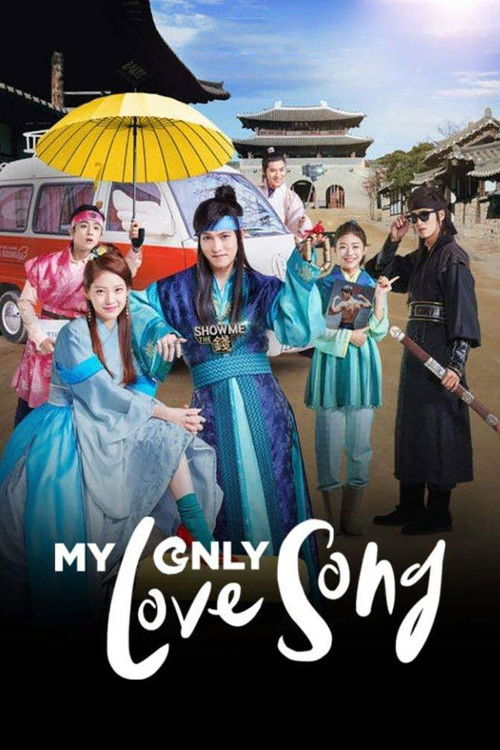
A note on limits: published English-language coverage of this series consists mainly of spoiler-light reviews and database entries, and no reliable source located here provides a scene-by-scene account of the finale or of individual episode turns. What follows sets out the plot mechanics that are documented, and marks clearly where the record stops.
The inciting mechanism. Song Soo-jung is a top actress filming a fictional historical Korean drama. When the shoot goes badly and things do not go her way, she storms off and flees in an old van — Boong Boong — which turns out to be a time machine. It carries her through a portal into the Goguryeo era: the real version of the period her costume drama was cheaply imitating.
The central irony. In the past she encounters On Dal and Princess Pyunggang — the two figures of one of Korea's most famous folk legends, whose union every Korean viewer already knows about. This is the series' structural spoiler, planted deliberately. Soo-jung falls in with On Dal, reimagined here not as the legendary simpleton but as a man who will do anything for money, and the romance that develops between them is therefore in direct competition with recorded legend. The drama's suspense across all twenty episodes comes from this collision: the audience knows the story's official ending and watches the characters try to live a different one.
The arc of transformation. Both leads are stripped of their defining currencies. Soo-jung's fame is worthless in the sixth century; On Dal's transactional worldview fails against a person he cannot price. Reviewers describe the show's substance as the two of them finding love and meaning beyond money and status — the mutual dismantling of ego and greed that constitutes the real plot underneath the comedy.
The finale. The specifics are not documented in reliable published sources, but the reception is: multiple reviewers report that the very end of the last episode left viewers feeling confused, and the same reviews note that the series generally contains plot holes and character decisions that do not entirely cohere. The ambiguity centers on the resolution of the time-travel premise — the unresolved question of whether Soo-jung returns to the present, remains in Goguryeo, or lands somewhere the show declines to clarify — which is precisely the choice the entire series has been building toward and, by most accounts, the point at which it withholds a clean answer.
What becomes clear only in retrospect. The framing device is the key. The series opens on the artifice of a drama set and ends in a genuine past, and the arrangement implies that the manufactured world was always the false one. Soo-jung's arrogance in the first episode reads, after the full run, less as character than as symptom — the defense of someone who has been a product for so long she has forgotten how to be a person. The van, similarly, shifts meaning across the series: introduced as a rescue, it becomes a temptation, since the only thing it can offer her is the life she was already fleeing.