
Skip to content
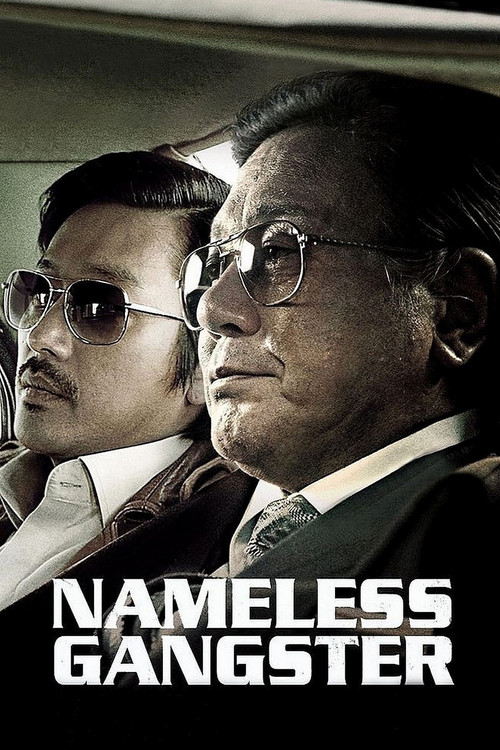
Nameless Gangster
A venomous, sun-baked neo-noir steeped in pathetic desperation and brassy bravado, where opportunistic survivalists navigate shifting tides like predatory chameleons feasting upon the blood-slicked corridors of rapid industrialization.
Nameless Gangster
Nameless Gangster

범죄와의 전쟁

"Power can not be taken alone."

02 February 2012 South Korea 133 min 6.9 (195)

Director: Yoon Jong-bin

Cast: Choi Min-sik, Ha Jung-woo, Kwak Do-won, Don Lee, Kim Sung-kyun

Crime Thriller Bloodline, Clan Networks, and Social Collusion Opportunism and the Nature of the 'Bandal' The Interdependence of State and Underworld Power Paternal Duty as a Moral Shield
Budget: $125,000

Nameless Gangster — Ending Explained

⚠️ Spoiler Analysis

The climax of Nameless Gangster thoroughly dismantles any illusion of underworld brotherhood or romanticized criminal honor. Caught under the prosecutorial vise of Jo Bum-suk during the 1990 crackdown, Ik-hyun recognizes that his past connections cannot shield him from life imprisonment. In a calculated act of cold betrayal, he strikes an undercover deal with Prosecutor Jo: he lures his long-time patron and sworn nephew, Hyung-bae, into a secluded trap, orchestrating his violent arrest in exchange for immunity and a drastically minimized criminal profile.

Decades later, the film shifts to the early 2010s. Unlike standard mob tragedies where the traitor meets a violent death in a ditch, Ik-hyun has triumphed completely within the capitalist framework. He lives as a celebrated, wealthy patriarch attending the first-birthday banquet of his grandson. Crucially, his son has ascended to become an elite public prosecutor, completing the ultimate laundering of criminal capital into supreme state authority. Yet, as Ik-hyun basks in this domestic glory, the screen suddenly stills, and the ominous voice of Hyung-bae whispers "Daebu-nim" into his ear. Ik-hyun turns toward the lens with a haunted, frozen stare, revealing that despite his societal triumph, he remains forever imprisoned by fear and the unforgiving judgment of the past.

Alternative Interpretations

While widely viewed as a gritty crime drama, many critics interpret Nameless Gangster primarily as a sharp generational satire and an allegorical critique of South Korea's rapid capitalist modernization. Under this reading, Ik-hyun's trajectory represents the opportunistic middle-class civilian who, lacking physical strength or technological expertise, leveraged corrupt bureaucratic nepotism and family ties to secure prosperity during the country's boom years.

Another prevalent interpretation revolves around the chilling ending. Rather than depicting an actual physical confrontation where Hyung-bae has tracked down an elderly Ik-hyun, the sudden whisper of "Daebu-nim" is widely read as psychological manifestation: the persistent, inescapable phantom of Ik-hyun's guilty conscience and past betrayals refusing to grant him genuine peace even within the security of bourgeois retirement.

Explore More About This Movie

Dive deeper into specific aspects of the movie with our detailed analysis pages

Similar Movies