Skip to content
Obsession
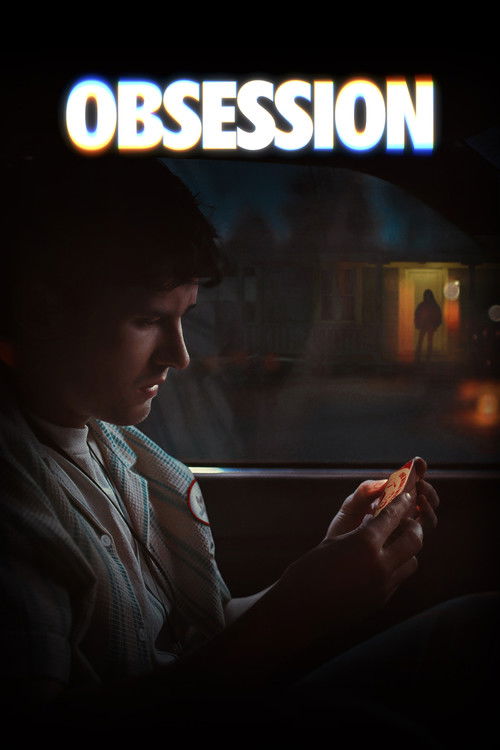
A suffocating psychological horror that twists unrequited love into a waking nightmare. It masterfully explores the dark consequences of male entitlement, using a cursed wish as a chilling visual metaphor for stolen agency.
Obsession

Obsession

"Be careful who you wish for…"

13 May 2026 United States of America 109 min 8.3 (2,480)

Director: Curry Barker

Cast: Michael Johnston, Inde Navarrette, Cooper Tomlinson, Megan Lawless, Andy Richter

Thriller Horror Male Entitlement and Toxic "Nice Guy" Culture The Erasure of Consent and Autonomy The Corruption of Platonic Bonds The Illusion of Control
Budget: $750,000
Box Office: $406,816,020

Overview

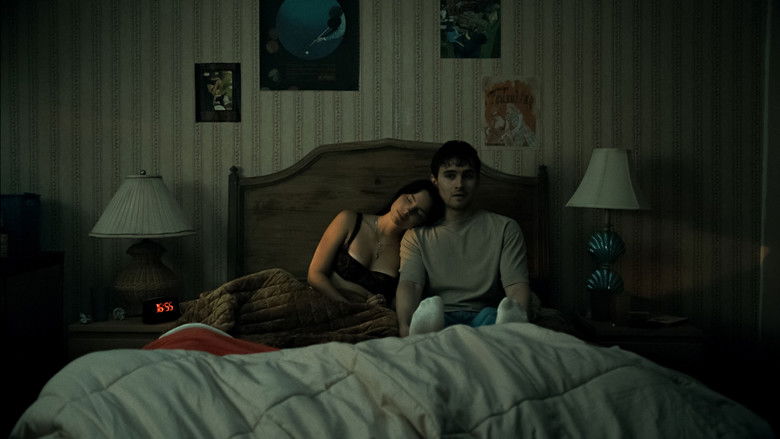
Obsession follows Baron "Bear" Bailey, a lonely music store employee who harbors a deep, unrequited love for his childhood best friend and coworker, Nikki Freeman. Aware that confessing his feelings could ruin their friendship and disrupt their social circle, Bear impulsively purchases a $6.99 supernatural trinket called the "One Wish Willow" from a gift shop. Driven by desperation, he breaks the item and wishes for Nikki to "love him more than anything in the world". To his shock, the wish works instantly, but the fairytale quickly spirals into a macabre nightmare.

As the supernatural spell takes hold, Nikki transforms into a volatile, obsessive doppelgänger devoid of her former autonomy. Her newfound affection is manic, possessive, and increasingly violent, isolating Bear and endangering their mutual friends, Ian and Sarah. Bear soon realizes that he hasn't won Nikki's heart; instead, he has trapped the real Nikki inside a corrupted, hyper-fixated shell.

Refusing to rely on cheap jump scares, director Curry Barker builds a claustrophobic atmosphere of psychological dread. The film morphs from an awkward romantic comedy setup into a terrifying commentary on consent and control, culminating in a deeply tragic finale where Bear must face the inescapable, horrific consequences of his own entitlement.


Core Meaning

At its core, Obsession is a scathing critique of male entitlement, the "nice guy" trope, and the toxic ideologies often found in the manosphere. Director Curry Barker deconstructs the romantic comedy fantasy of "winning over" a crush, reframing it as a profound violation of consent. The film posits that forcing someone's affection is not love, but a deeply selfish act of psychological imprisonment. By making the protagonist the true villain of the story, Obsession forces the audience to confront the horrific reality of prioritizing one's own loneliness over another person's humanity and autonomy.

Thematic DNA

Male Entitlement and Toxic "Nice Guy" Culture 35%
The Erasure of Consent and Autonomy 35%
The Corruption of Platonic Bonds 15%
The Illusion of Control 15%

Male Entitlement and Toxic "Nice Guy" Culture

The film highlights Bear's intense digital loneliness and how his unrequited love warps into a dangerous entitlement over Nikki's life. Even when faced with her suffering, Bear selfishly asks if it is really so bad to be with him, highlighting his prioritizing of his own desires over her well-being.

The Erasure of Consent and Autonomy

The core horror of the film lies in stolen agency. Nikki is forced into a role she never consented to, her true self buried beneath a supernatural compulsion. The film vividly illustrates how possessive love can warp a victim, making the loss of bodily and emotional autonomy far scarier than any traditional movie monster.

The Corruption of Platonic Bonds

Before the wish, Nikki viewed Bear as a brother. The wish perverts this pure, platonic relationship into a terrifyingly predatory dynamic. This theme is violently brought to the forefront during the party scene, emphasizing the unnatural and invasive nature of Bear's actions.

The Illusion of Control

Bear believes the One Wish Willow will solve his problems, attempting to treat a human relationship as a transactional exchange. However, he quickly realizes he cannot control the monster he has created. His desperate call to the absurd customer service hotline exposes his pathetic realization that actions have irreversible consequences.

Character Analysis

Baron "Bear" Bailey

Michael Johnston

Archetype: The False Protagonist / Villain Key Trait: Selfish entitlement masked as devotion

Motivation

To cure his intense loneliness and secure the romantic affection of Nikki, feeling entitled to her love simply because he is "nice" to her.

Character Arc

Bear starts as a seemingly sympathetic, lonely, and grieving "nice guy" who is easy to root for. However, as the film progresses, his refusal to take accountability and his selfish sense of entitlement strip away his protagonist facade, revealing him to be the true villain of the story who destroys the woman he claims to love.

Nikki Freeman

Inde Navarrette

Archetype: The Tragic Victim Key Trait: Fierce independence (pre-wish) / Volatile obsession (post-wish)

Motivation

Initially, to live her normal life and maintain her platonic friendships. Post-wish, she is entirely motivated by a supernaturally forced, psychotic devotion to Bear.

Character Arc

Nikki starts as a confident, sarcastic, and independent young woman. Stripped of her agency by Bear's wish, she is transformed into a manic, violent, and obsessed doppelgänger. Her true self is buried deep within, only able to surface during moments of sleep to beg for death, ultimately surviving only to be left permanently traumatized.

Sarah

Megan Lawless

Archetype: The Collateral Damage Key Trait: Well-meaning but doomed

Motivation

To protect Bear and eventually confess her own romantic feelings for him.

Character Arc

Sarah is a mutual friend in the group who harbors her own secret crush on Bear. She attempts to warn Bear about Nikki's past history with Ian, acting as a voice of reason. Her arc ends abruptly and brutally when she becomes the victim of Nikki's supernaturally fueled jealousy.

Ian

Cooper Tomlinson

Archetype: The Complicit Friend Key Trait: Secretive and self-preserving

Motivation

To maintain the status quo of their friend group while hiding his own past transgressions.

Character Arc

Ian begins as Bear's confidant, advising him not to confess his love and ruin trivia night. It is later revealed he had a secret history of hooking up with Nikki, adding a layer of betrayal to the friend group's dynamic.

Symbols & Motifs

The One Wish Willow

Meaning:

It represents the false promise of an easy fix to male loneliness and the transactional view of romantic relationships.

Context:

Bear purchases this $6.99 novelty trinket early in the film and breaks it to make his fateful wish, initiating the supernatural curse that ruins both of their lives.

The Hansel and Gretel Monologue

Meaning:

This twisted fable symbolizes the corruption of Bear and Nikki's sibling-like platonic bond into a nonconsensual, predatory sexual dynamic.

Context:

Delivered by a possessed Nikki at Ian's party, she recites a dark, incestuous version of the fairy tale where Gretel lusts after her brother and threatens violence if her desires aren't met.

Sandy the Cat's Prescription Pills

Meaning:

The pills symbolize Bear's ultimate cowardice and his inability to face the horrific consequences of his own actions.

Context:

Early in the film, Bear's cat Sandy tragically dies from swallowing pills. In the climax, locked in a bathroom to escape Nikki, Bear chooses to swallow the exact same pills to kill himself rather than endure the nightmare he caused.

Sleep-Talking / "Not Me" Polaroid

Meaning:

These elements represent the suppressed subconscious of the real Nikki, acting as a metaphor for victims of abuse trapped inside their own bodies.

Context:

While "Wish Nikki" is asleep, the real Nikki temporarily surfaces, begging Bear to kill her. Additionally, a hidden polaroid simply reading "Not Me" reveals her subconscious cry for help.

Memorable Quotes

I just want her to love me more than anything in the world.
— Baron "Bear" Bailey

Context

Spoken by Bear as he breaks the supernatural "One Wish Willow" in his room.

Meaning

The catalyst of the entire film. It perfectly encapsulates Bear's incredibly selfish desire to completely override Nikki's autonomy.

I've never been with you, Bear.
— Nikki Freeman (Real)

Context

Whispered by Nikki in her sleep as her true consciousness briefly breaks through the curse.

Meaning

A heartbreaking moment of clarity that proves the true Nikki is still inside, fully aware that the affection she is showing is entirely fake and nonconsensual.

Is it really so bad to be with me?
— Baron "Bear" Bailey

Context

Bear says this in response to the real Nikki surfacing during sleep and begging him to kill her to end the nightmare.

Meaning

This line cements Bear as the true villain. Even when faced with Nikki's sheer psychological torture, his fragile ego and entitlement take precedence over her suffering.

I can't live without you. We're going to be together forever, Bear.
— Wish Nikki

Context

Screamed by the obsessed, possessed Nikki as she pounds on the bathroom door while Bear contemplates his escape.

Meaning

A terrifying promise that finalizes Bear's realization that he is completely trapped by his own creation.

...love only the branch of a willow.
— Wish Nikki

Context

The chilling final line of Nikki's twisted, incestuous retelling of Hansel and Gretel delivered during Ian's party.

Meaning

A direct, meta-reference to the cursed object that started it all, woven into a terrifying threat regarding her intense possessiveness.

Philosophical Questions

If love is manufactured or forced against someone's will, does it completely cease to be love?

The film explores this by showing that Bear gets exactly what he asked for—Nikki's total devotion. Yet, because it was stolen rather than earned, the affection is empty, terrifying, and destructive, highlighting that true love requires the foundation of free will and consent.

To what extent does loneliness justify our sense of entitlement over others?

Bear is portrayed sympathetically at first—isolated, grieving his cat, and longing for connection. The film asks the audience to evaluate at what point his understandable human loneliness crosses the line into villainous, narcissistic entitlement.

Is it worse to endure the destruction of your autonomy, or to live with the guilt of destroying someone else's?

In the tragic ending, Bear chooses to kill himself rather than face the monster he created, successfully escaping his guilt. Nikki, however, is left alive but psychologically shattered by the trauma of being possessed. The film forces viewers to grapple with the cowardice of avoiding the consequences of one's actions while leaving the victim to pick up the pieces.

Alternative Interpretations

The Allegory of Abuse: Many critics view the supernatural "One Wish Willow" strictly as a metaphor for real-world emotional abuse and coercive control. Under this lens, the film is not about magic, but about how a possessive partner strips away a woman's identity until she becomes a traumatized shell of her former self, effectively rendering the "real" her trapped and silenced.

The Purgatory State Theory: Prompted by the bizarre customer service hotline scene, some fans theorize that the wish doesn't just alter brain chemistry, but literally splits reality. The real Nikki is cast into a mental purgatory dimension, forced to watch a demonic entity pilot her body, which explains why she can only communicate through physical glitches, sleep-talking, and hidden polaroids.

Cultural Impact

Released in 2026, Obsession became a massive cultural phenomenon, achieving a rare feat for an indie horror film by grossing huge numbers worldwide and surpassing major blockbuster franchises at the box office. The film sparked intense discourse among Gen Z audiences and critics regarding its piercing commentary on the "manosphere" and toxic male entitlement. By framing the "friend-zoned nice guy" trope not as a sympathetic plight, but as a dangerous and nonconsensual erasure of female autonomy, the film held a dark mirror to modern digital loneliness and possessive dating culture. Inde Navarrette's terrifying yet tragic performance was widely praised as Oscar-worthy, cementing her status as a new-generation scream queen. Furthermore, the film's success immediately elevated YouTuber-turned-director Curry Barker to a highly sought-after Hollywood auteur.

Audience Reception

Obsession received rapturous praise from both critics and general audiences. Viewers overwhelmingly celebrated Inde Navarrette's spellbinding, dual-layered performance, often comparing its intensity to Toni Collette in Hereditary. Audiences lauded the film's suffocating atmosphere and its brilliant subversion of the "monkey's paw" trope, which replaced traditional monsters with the horrors of forced intimacy. However, the film's bleakness was a point of controversy for some; many viewers found Bear's character so frustratingly selfish that they wanted to walk out during his "Is it really so bad to be with me?" line. The tragic ending, where Bear escapes via suicide while Nikki is left irreparably traumatized, was widely debated online, with some praising its uncompromising darkness and others criticizing it as deeply depressing.

Interesting Facts

  • The film was picked up by Focus Features in a deal worth over $15 million following its premiere at the Midnight Madness section of the 2025 Toronto International Film Festival, despite its micro-budget of only $750,000.
  • Director Curry Barker cited the psychologically bleak 2022 Spanish horror film 'The Coffee Table' as a major reference point for the film's tone.
  • Composer Rocky Burwell utilized lead actor Michael Johnston's actual heartbeat in the film's score to heighten the audience's anxiety.
  • Alamo Drafthouse created a custom 'no-talking' PSA for the film's theatrical run, featuring actress Inde Navarrette delivering the standard theater rules before abruptly screaming bloody murder at the audience.
  • During the sleep-talking scene, Inde Navarrette's whispered delivery was so effective that Michael Johnston's shocked facial reaction on camera was completely genuine.
  • Following the massive box office success of the film, Curry Barker announced a spiritual successor/spinoff titled 'Anything But Ghosts', a comedy-horror set in the same cinematic universe.
  • The film was a massive commercial hit, grossing over $165 million in the US alone and officially out-grossing a new Star Wars movie at the daily box office during its run.

Easter Eggs

The 'Not Me' Polaroid

Hidden in the background of a scene, a polaroid photo can be seen with the words "Not Me" scrawled on it. This subtly foreshadows that the real Nikki is trapped inside her own mind and desperately trying to cry out for help before the film explicitly reveals it.

The Customer Service Call

Bear attempts to call a customer support hotline (voiced by Andy Richter) for the One Wish Willow. He asks to "alter" the wish rather than cancel it, perfectly exposing his underlying entitlement. The call also hints at a deeper lore where the cursed victims exist in a conscious purgatory.

The Cat Vomit Parallel

At the film's climax, Bear overdoses on the same prescription pills that killed his cat, Sandy, at the beginning of the movie. The visual framing of his death intentionally mirrors the exact setup of Sandy's tragic death, bringing his cowardice full circle.

⚠️ Spoiler Analysis

Click to reveal detailed analysis with spoilers

Frequently Asked Questions

Explore More About This Movie

Dive deeper into specific aspects of the movie with our detailed analysis pages

Comments (0)

Leave a comment

No comments yet. Be the first to share your thoughts!

Similar Movies