Onward
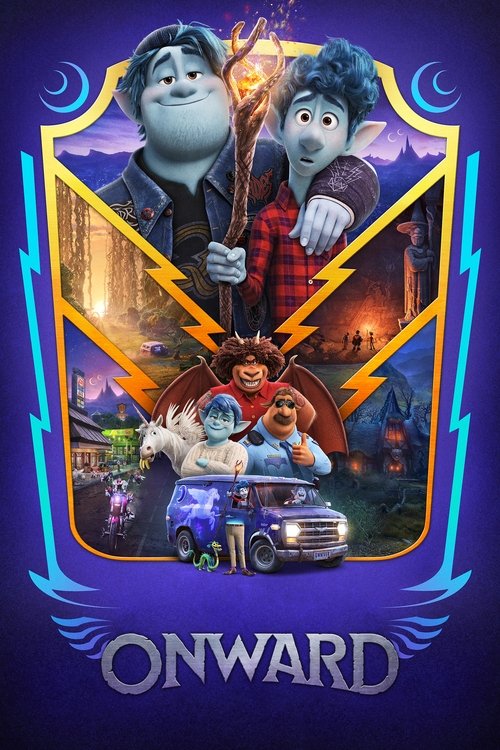
This poignant, modern fantasy adventure conjures a heartwarming tale of brotherhood and loss, as two elf siblings navigate a faded magical realm in a beat-up van, discovering that the most powerful spells are cast by unconditional love.
Onward

Onward

"Their quest beginneth."

29 February 2020 United States of America 102 min ⭐ 7.6 (6,482)
Director: Dan Scanlon
Cast: Tom Holland, Chris Pratt, Julia Louis-Dreyfus, Octavia Spencer, Mel Rodriguez
Animation Family Fantasy Comedy Adventure
Brotherhood and Unconventional Family Grief, Loss, and Acceptance Magic vs. Modern Convenience Coming of Age and Self-Belief
Budget: $200,000,000
Box Office: $141,888,276

Overview

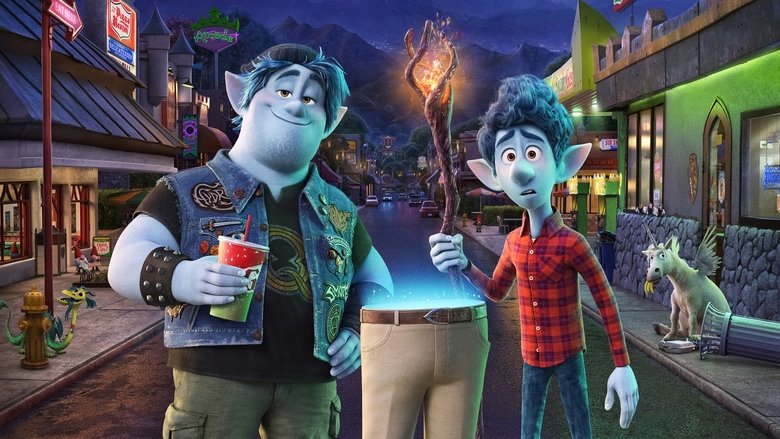
Set in New Mushroomton, a suburban fantasy world where magic has been rendered obsolete by modern technology, the film follows two teenage elf brothers, Ian and Barley Lightfoot. Ian is a shy, anxious high schooler who longs for the father he never met, while his older brother Barley is a boisterous role-playing game enthusiast who drives a beat-up van named Guinevere.

On Ian's sixteenth birthday, their mother Laurel gifts them a magical staff and a visitation spell left by their late father, Wilden, designed to resurrect him for a single day. When Ian attempts the spell, it malfunctions, bringing back only the lower half of their father before the Phoenix Gem powering the magic is destroyed.

Racing against a 24-hour clock, the brothers embark on a perilous quest to find another gem. Their journey forces them to encounter feral unicorns, a pixie biker gang, and a ferocious Manticore, ultimately challenging Ian to step out of his comfort zone and testing the true strength of their brotherly bond.
Core Meaning

Director Dan Scanlon based Onward on his own personal experience of losing his father at a very young age and relying heavily on his older brother. The film's core message suggests that while we may obsess over the things we lack or the people we have lost, we often fail to recognize the profound love and support right in front of us. It is a poignant meditation on grief, illustrating that moving forward does not mean forgetting, but rather embracing the unconventional family structures that shape our lives. Furthermore, it serves as a critique of modern complacency, warning that prioritizing convenience over effort can cause us to lose our internal magic and potential.

Thematic DNA

Brotherhood and Unconventional Family 40%
Grief, Loss, and Acceptance 30%
Magic vs. Modern Convenience 15%
Coming of Age and Self-Belief 15%

Brotherhood and Unconventional Family

The relationship between Ian and Barley forms the emotional backbone of the narrative [1.12]. While Ian spends the film searching for a father figure, the climax reveals that Barley has fulfilled that role his entire life. The film champions the idea that love and mentorship can come from unexpected family dynamics.

Grief, Loss, and Acceptance

The characters deal with the untimely loss of their father in entirely different ways. The entire quest is fueled by a desire to undo this loss temporarily. Ultimately, Ian's choice to let Barley have the final goodbye represents profound acceptance and the realization that he must let go of his idealized past to move forward.

Magic vs. Modern Convenience

The world of New Mushroomton forgot magic because technology was simply easier. This theme parallels real-world over-reliance on technology, illustrating how avoiding challenges leads to a loss of wonder, potential, and historical roots.

Coming of Age and Self-Belief

Ian's journey is a classic coming-of-age arc disguised as a fantasy quest. His struggle to cast spells directly correlates to his lack of self-confidence; he only masters his abilities when he learns to trust his instincts and speak from his heart's fire.

Character Analysis

Ian Lightfoot

Tom Holland

Archetype: The Reluctant Hero
Key Trait: Timid but magically gifted

Motivation

To complete the spell and spend one day with the father he never met.

Character Arc

Evolves from a timid, anxious teenager desperate for a father's approval into a confident, self-actualized wizard who realizes his brother was the mentor he needed all along [1.8].

Barley Lightfoot

Chris Pratt

Archetype: Mentor / Sidekick
Key Trait: Boisterous and fiercely loyal

Motivation

To protect Ian, share his love of history, and say the goodbye to his father that he was too afraid to say in the past.

Character Arc

Transforms from being viewed as a societal screw-up and annoying older brother into a valiant, knowledgeable protector who finally gets the closure he missed out on as a child.

Corey The Manticore

Octavia Spencer

Archetype: The Ally / Threshold Guardian
Key Trait: Passionate and fierce

Motivation

To help the brothers and prevent the curse of the Phoenix Gem from destroying them, righting her past compromises.

Character Arc

Awakens from a stressed, corporate sell-out to reclaiming her true identity as a fearless, mythical warrior.

Laurel Lightfoot

Julia Louis-Dreyfus

Archetype: The Protective Mother
Key Trait: Devoted and courageous

Motivation

To track down Ian and Barley and keep them safe from the ancient curse.

Character Arc

Leaves her comfortable suburban life to team up with a Manticore, proving her immense bravery to protect her sons.

Symbols & Motifs

Wilden's Legs (Half-Dad)

Meaning:

The legs symbolize the lingering, incomplete presence of grief and the boys' fractured connection to their past [2.14].

Context:

Wilden's bottom half accompanies the boys on their quest, acting as literal and figurative baggage that they must guide and protect until they can find closure.

Guinevere (Barley's Van)

Meaning:

The beat-up, unicorn-painted van represents Barley's protective nature, his unorthodox wisdom, and his love for his brother.

Context:

It acts as their chariot throughout the journey and is ultimately sacrificed in a heroic act to stall the police, showing Barley's willingness to give up what he loves for Ian's success.

The Bottomless Pit / Invisible Bridge

Meaning:

This is a metaphor for taking a leap of faith and learning self-trust.

Context:

Ian is forced to walk across a seemingly empty chasm with a rope tied to Barley. When the rope falls off, Ian must rely entirely on his own belief to make it across, proving his self-sufficiency.

The Manticore's Tavern

Meaning:

A symbol of how modern capitalism and the pursuit of safety have sanitized the world's natural wildness and wonder.

Context:

Once a perilous hub for adventurers, it has been transformed into a sterile, family-friendly chain restaurant until Corey rediscovers her inner warrior and burns it down.

Memorable Quotes

I hope there's a little magic left in you.

— Wilden Lightfoot / Ian Lightfoot

Context:

Heard on the audio cassette Ian listens to, and later repeated by Ian himself as he accepts his magical potential.

Meaning:

Serves as the thematic bookend of the film, reminding characters and the audience that wonder still exists if you're willing to look for it [1.1].

On a quest, the clear path is never the right one.

— Barley Lightfoot

Context:

Spoken when Barley insists they take the Path of Peril instead of the highway.

Meaning:

Encapsulates Barley's philosophy on life—that growth comes from taking risks rather than settling for easy, modern conveniences.

I never had a dad, but I always had you.

— Ian Lightfoot

Context:

Said by Ian to Barley near the climax, right before Ian sacrifices his chance to meet Wilden.

Meaning:

The emotional crux of the film, solidifying the realization that Barley was the true father figure in Ian's life.

It's not fair to call me a screw-up if you don't give me a chance to do something right.

— Barley Lightfoot

Context:

Said during a heated argument between the brothers in the van.

Meaning:

Highlights the prejudice Barley faces and his desperate need for his brother's respect and validation.

Philosophical Questions

Does the pursuit of convenience destroy human potential?

The film explicitly shows that as technology made life easier (lightbulbs replacing fire spells), society lost its magic [1.20]. This raises the philosophical question of whether modern comforts cause humanity to lose touch with its deeper capabilities, wonder, and historical roots.

What truly defines a parent?

Ian idolizes the biological father he never met, but eventually realizes that Barley provided all the support, mentorship, and love associated with fatherhood. The film asks us to consider that parenthood is defined by actions and presence, rather than biological necessity.

How should we process grief and the past?

Through Barley's obsession with Quests of Yore and Ian's desperation to resurrect their father, the film questions the healthiness of dwelling on what is gone. It ultimately posits that we must honor the past without letting it prevent us from appreciating the present.

Alternative Interpretations

While generally viewed as a straightforward coming-of-age quest, several alternative interpretations exist. The Secularization Metaphor: Drawing on philosopher Charles Taylor's concept of a 'Secular Age', some religious and philosophical critics interpret the film's 'loss of magic' as a metaphor for the modern world's loss of religion and transcendence. In this view, technology has caused society to become 'disenchanted', and the quest represents a hunger to recover the sacred and mysterious. Barley as the True Protagonist: Another reading argues that despite Ian being the POV character, Barley is the actual protagonist. Ian's arc is about realizing what he already has, but Barley undergoes the ultimate emotional catharsis by facing his childhood fear of death and finally getting to say goodbye to his father in the climax.

Cultural Impact

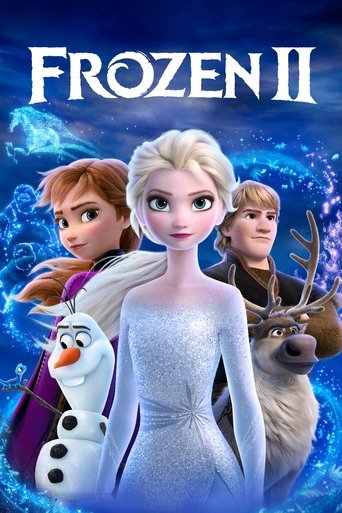
Released in early March 2020, Onward was one of the last major films to debut in theaters before the global COVID-19 lockdowns. Consequently, it became a pioneer in the pandemic-era shift to streaming, dropping on Disney+ shortly after its theatrical release and providing comfort viewing for millions in isolation. Culturally, the film has been praised for presenting a healthy, emotionally vulnerable depiction of modern masculinity and brotherhood. By centering the narrative on platonic, familial love rather than a romantic subplot, it joined films like Frozen in redefining Disney's emotional climaxes. Furthermore, the inclusion of Officer Specter marked a milestone for LGBTQ+ representation in Pixar, sparking both praise for diversity and censorship controversies in several international markets.

Audience Reception

Onward received generally positive reviews, with audiences widely praising the emotionally devastating and subversive third act, as well as the strong vocal chemistry between Tom Holland and Chris Pratt. Viewers appreciated the profound themes of brotherhood and the poignant handling of grief. However, some critics argued that the world-building and visual character designs felt somewhat uninspired or generic compared to top-tier Pixar masterpieces like Coco or Inside Out. The reliance on standard fantasy tropes occasionally made the narrative structure feel formulaic in the first half. Despite these minor criticisms, the overall verdict is that Onward is a touching, highly underrated addition to the Pixar canon that delivers a massive emotional payoff.

Interesting Facts

  • Director Dan Scanlon based the story on his own life; his father died when he was one year old, leaving behind an audio cassette with just the words 'hi' and 'bye' for him and his older brother [1.14].
  • Tom Holland and Chris Pratt actually recorded some of their voice sessions together in the same room, which is highly unusual for animated films but helped capture their brotherly chemistry.
  • The film features Pixar's first openly gay character, Officer Specter (voiced by Lena Waithe), which led to the movie being banned in several Middle Eastern countries.
  • Wizards of the Coast, the publishers of Dungeons & Dragons, granted Pixar special permission to feature iconic D&D monsters like the Gelatinous Cube in the film.
  • The movie's theatrical run was drastically cut short due to the COVID-19 pandemic shutting down global cinemas in March 2020, leading Disney to release it digitally weeks later.

Easter Eggs

The Pizza Realm Truck

The classic Pixar Pizza Planet truck is reimagined as the Pizza Realm delivery truck, visible in the background at the troll-manned toll bridge [2.1].

A113 Reference

Instead of a visual nod, the famous CalArts room number A113 is heard audibly over Officer Colt Bronco's police radio as 'A-113 in progress'.

Dorothea Williams Record

In Ian's room, a record by the Dorothea Williams Quartet can be seen. This was a sneak peek at Pixar's next film, Soul (2020), where Dorothea is a major character.

Triple Dent Gum

The pixie duster biker gang has a pack of Triple Dent Gum, referencing the catchy commercial jingle from Inside Out.

John Ratzenberger's Cameo

Pixar's traditional lucky charm voice actor plays Fennwick, the construction worker trying to tear down the historic fountain.

⚠️ Spoiler Analysis

Click to reveal detailed analysis with spoilers

Frequently Asked Questions

Explore More About This Movie

Dive deeper into specific aspects of the movie with our detailed analysis pages

Comments (0)

Leave a comment

No comments yet. Be the first to share your thoughts!