Skip to content
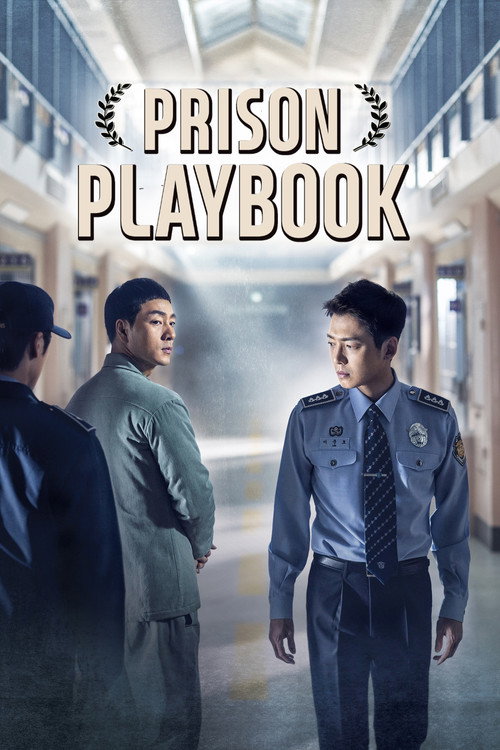
Prison Playbook
A bittersweet tragicomedy radiating quiet warmth and resilient camaraderie; a fractured baseball finding steady grip inside cold concrete walls, where shared meals bloom into fragile islands of humanity amid pervasive gloom.
Prison Playbook

Prison Playbook

슬기로운 감빵생활

"Even if you live for one day, live as a good person."

22 November 2017 — 18 January 2018 South Korea 1 season 16 episode Ended 8.2 (105)

Cast: Park Hae-soo, Jung Kyung-ho, Krystal Jung, Lee Kyoo-hyung, Choi Moo-seong

Drama Crime Resilient Brotherhood & Found Family Moral Duality & Deconstruction of Appearances Second Chances vs. The Rigidity of Relapse The Absurdity of Fate & Unearned Misfortune

Overview

Prison Playbook (literal Korean title: Wise Prison Life) is a 16-episode slice-of-life black comedy and human drama directed by Shin Won-ho and written by Jung Bo-hoon. The narrative follows Kim Je-hyuk, South Korea's star relief pitcher, whose career and life collapse overnight when he is sentenced to one year in prison for excessive force while defending his younger sister from a violent sexual assault. Entering the penal system on the eve of his Major League Baseball debut, Je-hyuk is stripped of his fame, privileges, and identity, reduced to an inmate number within the harsh, rigid walls of the correctional system.

Transferred from the Seobu Detention Center to the long-term Seobu Penitentiary, Je-hyuk is reunited with his childhood best friend and former pitching partner, Lee Joon-ho, now serving as an elite prison guard. Across its episodic yet deeply interconnected arc, the series embeds viewers inside Cell 2, Wing 6, exploring the daily routines, conflicts, survival tactics, and hidden backstories of a colorful ensemble of cellmates and correctional officers.

Rather than focusing on prison breaks or hyper-stylized gang warfare, the series adopts a grounded, humanistic lens. It chronicles Je-hyuk's grueling physical rehabilitation and psychological endurance, while balancing the bittersweet lives of convicted fraudsters, gang members, addicts, and wrongfully condemned officers. Through intimate moments of solidarity, dark institutional absurdities, and grounded struggles, the show details how broken people navigate institutional confinement and confront the societal stigma awaiting them on the outside.


Core Meaning

The central thesis of Prison Playbook is that humanity, dignity, and personal redemption are not bounded by concrete walls, but virtue is neither absolute nor guaranteed. The show deliberately strips away the binary moral framework of conventional prison media: inmates are neither entirely demonic monsters nor purely misunderstood martyrs.

By chronicling the minutiae of everyday life within a penitentiary, the creators emphasize that life does not pause during incarceration—it must be lived with patience, emotional resilience, and practical wisdom ("wise living"). Crucially, the series delivers an unromanticized view of rehabilitation, demonstrating that while systemic and personal support can heal past traumas, the external world and internal addictions remain unforgiving.

Thematic DNA

Resilient Brotherhood & Found Family 40%
Moral Duality & Deconstruction of Appearances 25%
Second Chances vs. The Rigidity of Relapse 20%
The Absurdity of Fate & Unearned Misfortune 15%

Resilient Brotherhood & Found Family

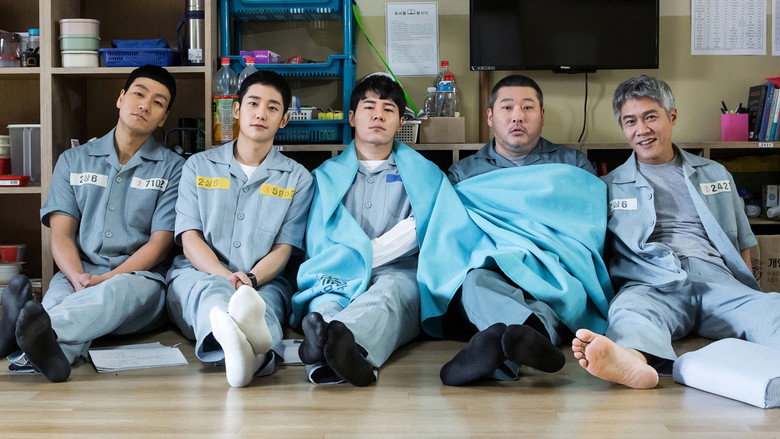
The narrative core of the show is the communal bonds formed in Wing 2, Room 6. In a setting designed for atomization and distrust, inmates share food, assemble wooden crafts, trade personal medications, and provide an impromptu emotional safety net. Je-hyuk and Joon-ho's unwavering friendship anchors the emotional landscape, expanding outward to encompass hardened criminals who learn to protect one another's dignity.

Moral Duality & Deconstruction of Appearances

A signature thematic device is subverting first impressions. Characters introduced as terrifying antagonists (such as Chief Paeng or Captain Yoo) are revealed to possess deep compassion and moral integrity, whereas outwardly cordial figures (such as corrupt guards or affable inmates) frequently harbor exploitative intentions. The show continuously reminds viewers that people are complex mosaics shaped by trauma, poor choices, and systemic failures.

Second Chances vs. The Rigidity of Relapse

Prison Playbook treats the concept of rehabilitation with unflinching realism. While some characters utilize their incarceration to reflect and reform (such as Min-chul and Jean Valjean), others fall victim to systemic traps and neurological dependencies. The show asserts that personal will alone is often insufficient without structural safety nets and absolute vigilance.

The Absurdity of Fate & Unearned Misfortune

Life in the series is fundamentally precarious. A sudden traffic collision, a reflex to protect a loved one, or being framed by a superior can shatter decades of disciplined effort in a single instant. The show posits that misfortune is often arbitrary; therefore, one must cease self-blame and learn to confront harsh reality step by step.

Character Analysis

Kim Je-hyuk

Park Hae-soo

Archetype: Stoic Hero / Unshakable Survivor Key Trait: Deceptive simplicity masking superhuman determination and tactical emotional intelligence.

Motivation

To survive incarceration, rehabilitate his pitching mechanics, and return to professional baseball.

Character Arc

Begins as a simple-minded, emotionally detached baseball star thrust into imprisonment; through physical rehabilitation and deep bonds with his cellmates, he matures into a shrewd, protective leader who masters prison dynamics without losing his core integrity.

Lee Joon-ho

Jung Kyung-ho

Archetype: Guardian / Loyal Confidant Key Trait: Sharp wit, deep loyalty, and protective pragmatism.

Motivation

To protect Je-hyuk inside the dangerous prison walls and support his return to society.

Character Arc

An exceptionally talented individual prone to quitting when things get difficult; serving as a prison guard, his rekindled friendship with Je-hyuk inspires him to embrace deep professional commitment and emotional openness.

All 5 characters and cast

Symbols & Motifs

The Left Arm / The Baseball Grip

Meaning:

Represents Je-hyuk's entire life purpose, identity, and vulnerability. Transitioning to pitching with his right arm—and eventually retraining his left—symbolizes psychological rebirth and sheer, unyielding grit.

Context:

Used throughout Je-hyuk's rehabilitation journey after his left shoulder is stabbed and paralyzed in prison.

Instant Ramen and Hot Water

Meaning:

Serves as the primary currency of affection, trust, and domestic warmth inside the cell, turning an interrogation-like cell into a living room.

Context:

Present during communal preparation and sharing of microwaved ramen and instant snacks among cellmates.

The Greenhouse

Meaning:

Acts as a liminal sanctuary where nature and baseball practice exist insulated from prison politics, embodying growth, patience, and eventual return to the outside world.

Context:

Serves as Je-hyuk's designated training area in the prison courtyard.

Cold Turkey Sniffing / Cold Medicine

Meaning:

Highlights the physical agony of sobriety and the razor-thin line between recovery and relapse.

Context:

Depicted through Yoo Han-yang ("Loony") shivering beneath blankets while refusing medicine to overcome chemical dependency.

The Whistle Sound Effect

Meaning:

Underscores moments of dry irony, punctured tension, and institutional absurdity, replacing the famous goat bleat from Shin Won-ho's Reply series.

Context:

Used as an auditory motif across comedic and tense prison interactions.

Memorable Quotes

최선을 다 했는데 기회가 없었던 거야. 그러니까 세상을 탓해. 세상이 더 노력하고 애를 썼어야지. 자리를 그렇게밖에 못 만든 세상이 문제인 거고, 세상이 더 최선을 다 해야지. 욕을 하든 펑펑 울든 다 해도, 니 탓은 하지 마.
— Kim Je-hyuk

Context

Kim Je-hyuk comforts Kim Min-sung (a young civil service examinee imprisoned over a momentary car accident) after he fails a parole evaluation by a single point in Episode 8.

Meaning

Serves as the philosophical heart of the show regarding systemic unfairness, asserting that individuals should not blame themselves when structural limitations deny them opportunities despite their best efforts.

너의 가장 큰 문제가 뭔지 알아? 일을 너무 복잡하게 생각해. 형한테 그냥 솔직하게 얘기해. 끝까지 옆에 있어달라고. 형 없으면 안 된다고.
— Yoo Han-yang ("Loony")

Context

Han-yang counsels Captain Yoo Jung-woo in Episode 14 to stop suppressing his feelings and embrace his older brother's selfless legal crusade.

Meaning

Encourages emotional vulnerability and honest communication between loved ones during prolonged hardship.

All 4 quotes

Episode Highlights

The Fall from Grace

S1E1

Introduces Kim Je-hyuk's sudden descent from a celebrated national athlete to inmate #1842, establishing the claustrophobic reality of detention while subverting expectations through dark comedy.

Significance:

Sets up Je-hyuk's entry into the correctional system and establishes his pivotal reunion with prison guard Lee Joon-ho.

The Woodworking Competition & The Left Hand

S1E4

Je-hyuk uncovers the corrupt exploitation of inmate labor by Chief Kim and stands up against systemic intimidation, while his chronic left-arm nerve damage is medically confirmed.

Significance:

Forces Je-hyuk to confront the devastating loss of his pitching career and navigate institutional corruption.

The Decision to Play Again

S1E6

After declaring his retirement and wallowing in despair, Je-hyuk is moved by the relentless faith of his family, Joon-ho, and his cellmates.

Significance:

Marks the turning point where Je-hyuk resolves to retrain as a southpaw pitcher inside the prison greenhouse.

Captain Yoo's Arrival & The Burden of Guilt

S1E8

Captain Yoo is introduced with explosive hostility as the truth of the military hazing murder begins to unravel, juxtaposed against Je-hyuk's compassionate monologue to an examinee inmate.

Significance:

Introduces a major central injustice plotline and deepens the show's philosophical inquiry into systemic unfairness.

Goodbyes and Loyalty

S1E10

Dr. Ko is transferred to another facility after preparing a training log for Je-hyuk, while Jean Valjean returns to visit Min-chul as a reformed young man.

Significance:

Demonstrates that genuine rehabilitation is possible through unconditional trust and highlights the quiet solidarity among inmates.

The Reality of Sobriety & The Turning Point

S1E15

Han-yang completes his sentence sober only to fall into an immediate entrapment relapse, while Captain Yoo's retrial is approved and Min-chul qualifies for Christmas parole.

Significance:

Delivers the climax for multiple major character arcs, balancing immense personal redemption with devastating real-world tragedy.

Play Ball / Life Goes On

S1E16

Je-hyuk outmaneuvers his final extortionists, completes his sentence, embraces Joon-ho, reunites with Ji-ho, and steps onto the professional mound for the Nexen Heroes.

Significance:

Concludes the series by showing Je-hyuk's triumphant athletic return while emphasizing that life continues inside the still-occupied prison walls.

Philosophical Questions

Does Retribution Overrule Proportional Justice?

The show questions whether legal statutes equitably weigh human impulse and defense against arbitrary harm when punishing citizens who react instinctively to protect loved ones.

Can Incarceration Truly Rehabilitate Without Structural Support?

It examines whether locking individuals in punitive isolation without psychiatric and social aftercare merely delays inevitable relapse rather than reforming behavior.

Is Human Goodness Inherent or Contextual?

By humanizing murderers and thieves while exposing the corruption of respected authorities, the series asks whether morality is a static character trait or a fragile reaction to circumstance.

How Does Society Justify the Perpetual Ostracization of the Reformed?

Through the struggles of paroled characters, it interrogates why society demands repentance while denying ex-convicts a path to legal livelihood and social reintegration.

Alternative Interpretations

Several distinct perspectives frame the narrative of Prison Playbook:

Full ending explanation

Cultural Impact

Historically, South Korean cinema and television portrayed correctional facilities either as dens of pure villainy or melodrama. Prison Playbook disrupted the genre by introducing the "cozy institutional" slice-of-life framework. It highlighted the Korean penal concept of Gyodhoso (correctional institutions) versus Guchiso (detention facilities), educating mainstream audiences on judicial procedures, appeal processes, and prison labor classification.

The show opened cultural conversations regarding the stigmatization of ex-convicts in South Korea, the lack of medical and psychological rehabilitation for chemical dependency, and the vulnerability of junior ranks to systemic abuse inside the South Korean military. Its narrative formula proved that ensemble-driven slice-of-life television could succeed in non-traditional, gritty settings.

Audience Reception

Prison Playbook was met with widespread critical acclaim and exceptional domestic ratings, growing steadily from a 4.6% premiere to an 11.2% finale.

Critics praised the nuanced ensemble writing, Jung Bo-hoon's sharp and witty dialogue, and the subversion of prison stereotypes. Park Hae-soo, Jung Woong-in, and Lee Kyu-hyung received unanimous acclaim for their layered performances.

Early episodes drew mild criticism for long runtimes (averaging 90 minutes per episode) and occasional pacing slowdowns during romantic flashbacks, while some conservative viewers debated whether the series overly humanized convicted felons. Additionally, the tragic relapse of Yoo Han-yang divided audiences—lauded by purists as a brave depiction of addiction, but heartbreaking for many emotionally invested viewers.

Interesting Facts

  • The production filmed at the decommissioned Jangheung Prison in South Jeolla Province, which operated from 1975 to 2015.
  • This was Park Hae-soo's first television leading role after being primarily a stage and musical theater actor, which later propelled him to global recognition.
  • Director Shin Won-ho and writer Jung Bo-hoon conducted months of research, interviewing active correctional officers, former convicts, and legal professionals.
  • Actors auditioned without knowing which specific characters they were trying out for, allowing Director Shin Won-ho to match organic personality quirks to the screenplay.
  • The series peaked over an 11.2% rating on cable television and won Best Supporting Actor for Park Ho-san (KAIST) at the 54th Baeksang Arts Awards.

Easter Eggs

Reply Series Recurring Ensemble

The production utilized ensemble directing techniques and featured veteran actors from Shin Won-ho's Reply series, including Choi Moo-sung, Choi Sung-won, and Sung Dong-il (who appears in early episodes as Chief Jo).

K-Pop Crossover Soundtracks & Cast

WINNER's leader Kang Seung-yoon plays Jean Valjean / Lee Joo-hyung and collaborated with bandmate Song Min-ho (MINO) and rapper Woo Won-jae to perform the series' iconic OST track The Door.

Krystal Jung (Jung Soo-jung) Casting

Cast as Je-hyuk's long-term girlfriend Ji-ho, marking a successful transition from idol singer in f(x) to a recognized dramatic actress.

Lee Do-hyun's Screen Debut

Acclaimed actor Lee Do-hyun made his official screen acting debut playing the high school version of young Lee Joon-ho.

The 'Wise Life' Universe Prototype

The original Korean title Wise Prison Life established the franchise naming formula continued in 2020 by Shin Won-ho and Lee Woo-jung with Hospital Playlist (Wise Doctor Life).

Frequently Asked Questions

Explore More About This Movie

Dive deeper into specific aspects of the movie with our detailed analysis pages

Comments (0)

Leave a comment

No comments yet. Be the first to share your thoughts!

Similar Movies