Skip to content
The Battleship Island
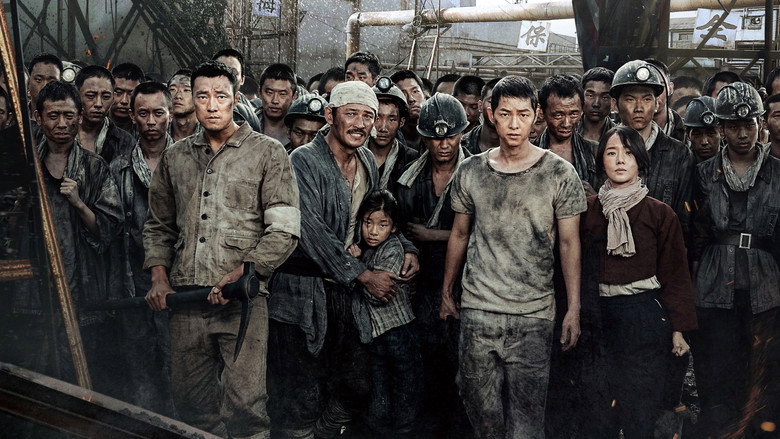
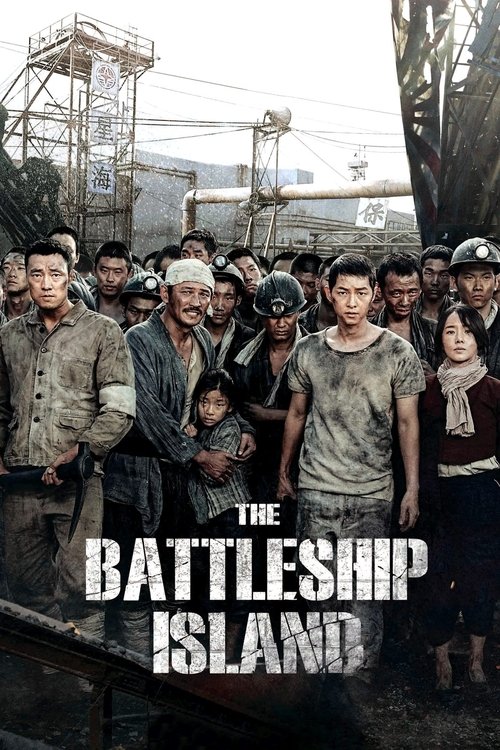
Drenched in coal dust, suffocating heat, and grim wartime desperation, this historical action epic captures agonizing survival through the image of a bloodstained concrete fortress surrounded by black ocean waves.
The Battleship Island

군함도

"1945 Hashima. We called it hell on earth."

26 July 2017 South Korea 132 min 7.2 (297)

Director: Ryoo Seung-wan

Cast: Hwang Jung-min, So Ji-sub, Song Joong-ki, Lee Jung-hyun, Kim Su-an

Drama War Parental Love and the Fight for the Next Generation Systemic Dehumanization and Forced Labor Internal Treachery and Complicity Collective Solidarity and Resistance
Budget: $21,000,000
Box Office: $46,183,383

The Battleship Island — Ending Explained

⚠️ Spoiler Analysis

The Betrayal of Yoon Hak-chul: Operative Park Moo-young discovers that the revered independence figure Yoon Hak-chul (Lee Geung-young) is actually a collaborator working with the Japanese administration, secretly siphoning laborers' earnings for personal gain. Moo-young exposes and executes Yoon, shifting the mission into an all-out evacuation for every worker.

The Pier Battle and Sacrifices: When Japanese forces attempt to trap and blow up the miners, a massive uprising occurs. Choi Chil-sung and Oh Mal-nyeon die fighting side-by-side against machine-gun fire to secure the escape boat's release.

Denouement: Lee Kang-ok is mortally wounded during the breakout and dies on the ship's deck after entrusting So-hee to the survivors. As the boat sails into open water on August 9, 1945, the survivors witness the atomic mushroom cloud over Nagasaki. So-hee looks toward the horizon, symbolizing grief, survival, and an uncertain future.

Alternative Interpretations

Genre Blockbuster vs. Historical Realism: Viewers and critics debated whether blending real wartime tragedy with Hollywood-style blockbuster tropes honored history or diluted it, particularly regarding the dramatized mass breakout that did not occur in reality.

Subversion of Nationalist Dogma: The prominent inclusion of pro-Japanese Korean collaborators (*chinilpa*) as central antagonists drew split reactions: conservative nationalists felt it shifted blame away from Japanese authorities, while film critics appreciated the nuanced look at internal opportunism.

The Nagasaki Cloud Ending: The final image of the atomic mushroom cloud can be viewed either as a symbol of cosmic retribution securing liberation, or as a somber illustration of innocent people trapped between competing imperial war machines.

Explore More About This Movie

Dive deeper into specific aspects of the movie with our detailed analysis pages

Similar Movies