Skip to content
The Guest
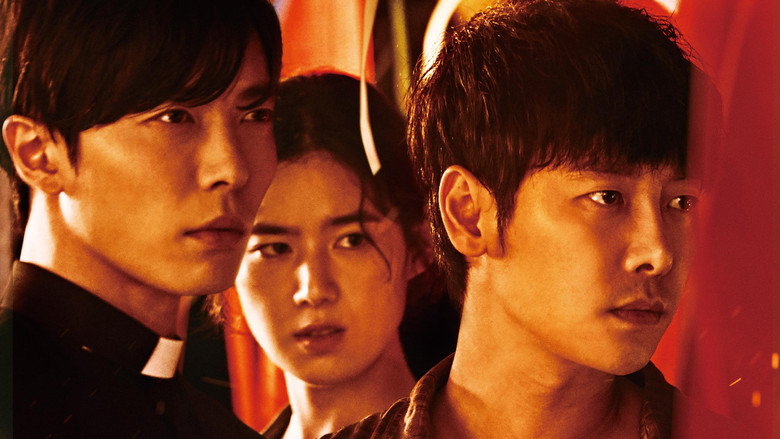
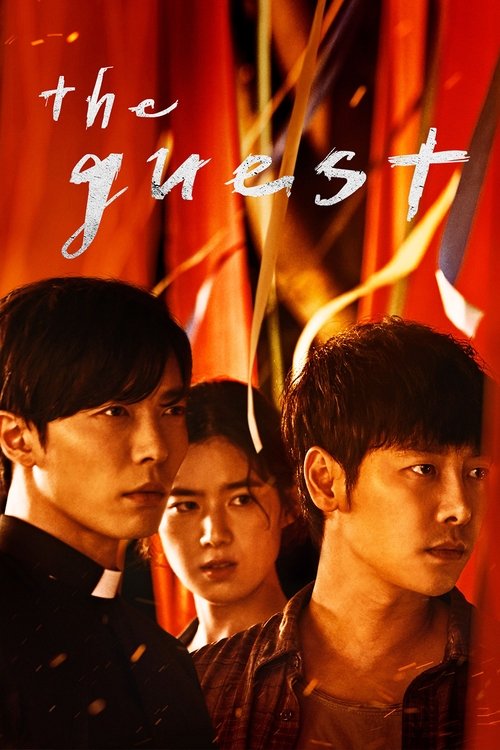
Drenched in coastal gloom and suffocating dread, The Guest evokes visceral grief and terrifying desolation, resembling a cracked crucifix submerged in freezing sea foam as three broken souls clutch one another to survive the howling dark.
The Guest
The Guest

손: The Guest

12 September 2018 — 01 November 2018 South Korea 1 season 16 episode Ended 8.0 (100)

Cast: Kim Dong-wook, Kim Jae-uck, Jung Eun-chae, Lee Won-jong, Park Ho-san

Drama Crime Mystery Generational Trauma and Shared Grief The Social Roots of Malevolence Fusion of Faiths and Collective Solidarity Self-Sacrifice versus Self-Destructive Revenge The Fallibility of Human Institutions

The Guest — Ending Explained

⚠️ Spoiler Analysis

The narrative hinges on major structural twists and misdirections regarding the true identity of Park Il-do:

  • The Red Herring: For 15 episodes, the story strongly suggests that Father Yang Yoon-mo is Park Il-do. In the finale, it is revealed that Father Yang was never possessed; he was merely a spiritually broken, nihilistic human accomplice who chose to worship the demon.
  • The True Vessel: The true host of Park Il-do for the past twenty years was Hwa-pyung's grandfather, Yoon Moo-il. Twenty years earlier, to save young Hwa-pyung's life during the shamanic ritual, the grandfather willingly invited the evil spirit into his own body.
  • The Oceanic Sacrifice: In Episode 16, to save Choi Yoon from the fatal exorcism curse and protect Kil-young, Hwa-pyung forces Park Il-do into his own body. He carves protective talismans into his flesh, stabs out his own right eye to trap the demon within his mortal form, and plunges into the East Sea.
  • The Epilogue: One year later, Yoon and Kil-young discover that Hwa-pyung survived the drowning. He lives in self-imposed exile in an isolated coastal village, missing his right eye, acting as a solitary living vessel to keep the darkness contained.

Alternative Interpretations

The narrative supports multiple analytical frameworks:

  • The Sociological Reading: Park Il-do represents an allegory for capitalist alienation and modern South Korean social ills. Possessed individuals are victims of systemic oppression and discrimination who turn destructive when pushed beyond endurance.
  • The Psychological / Jungian Shadow Reading: The three protagonists represent fragmented facets of an unhealed psyche processing childhood trauma, with Park Il-do personifying their collective "Shadow"—repressed guilt, fury, and vengeance that can only be resolved through integration and empathy.
  • The Ambiguous Finale Reading: Hwa-pyung's survival in the remote coastal village with a blinded right eye sparks debate on whether Park Il-do was permanently sealed, banished to the sea, or if Hwa-pyung must endure a lifetime of solitary containment as a living prison for the entity.

Explore More About This Movie

Dive deeper into specific aspects of the movie with our detailed analysis pages

Similar Movies