Skip to content
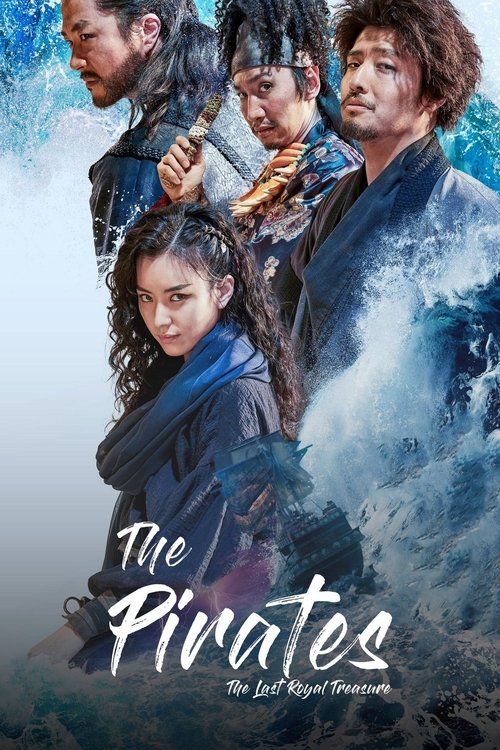
The Pirates: The Last Royal Treasure
A whirlwind swashbuckler roaring with sun-drenched camaraderie and madcap rebellion, where ragged outlaws ride storm-tossed tides toward mythical gold, navigating a tempest of fire and sea as an unstoppable family forged by freedom.
The Pirates: The Last Royal Treasure

The Pirates: The Last Royal Treasure

해적: 도깨비 깃발

26 January 2022 South Korea 126 min 6.5 (228)

Director: Kim Joung-hoon

Cast: Kang Ha-neul, Han Hyo-joo, Lee Kwang-soo, Kwon Sang-woo, Chae Soo-bin

Fantasy Action Comedy Adventure Chosen Family and Unlikely Solidarity Freedom & Autonomy vs. Dynastic Oppression The Illusion of Wealth and Power vs. Human Value Identity, Past Trauma, and Self-Reinvention
Budget: $19,597,380
Box Office: $10,247,262

Overview

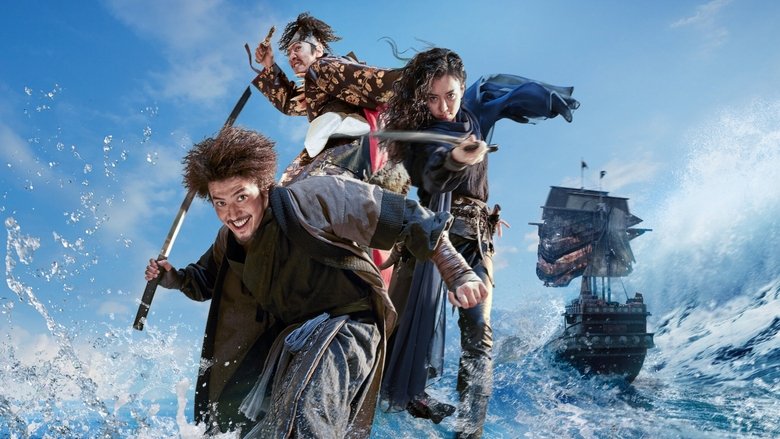
Set during the turbulent transition between the fall of the Goryeo dynasty and the rise of the Joseon dynasty in the late 14th century, The Pirates: The Last Royal Treasure (Korean: 해적: 도깨비 깃발, Haejeok: Dokkaebi Gitbal) follows an uneasy alliance between two disparate factions adrift at sea. Woo Moo-chi (Kang Ha-neul), a self-proclaimed "first swordsman of Goryeo" turned bandit chieftain, and his band of dry-land outlaws find themselves stranded aboard the pirate ship commanded by the stern, agile Captain Hae-rang (Han Hyo-joo).

Constant bickering, sea-sickness, and cultural friction give way to a shared destiny when the crew discovers the existence of a legendary treasure: the vast imperial gold of the vanished Goryeo royal family, hidden away in uncharted waters before the dynasty crumbled. Deciphering cryptic maps and braving supernatural ocean phenomena, the makeshift crew embarks on a high-stakes voyage across treacherous seas.

Their quest rapidly turns into a perilous race against time when Bu Heung-soo (Kwon Sang-woo), a ruthless former military commander driven by treasonous ambition to claim the throne, pursues the same fortune to fund his private army. Facing internal mutinies, bizarre oceanic fauna, lightning-swept waters, and heavily armed rival fleets, the crew must learn to trust one another to survive the perils of the uncharted ocean.
Core Meaning

Director Kim Jeong-hoon and screenwriter Chun Sung-il use the swashbuckling adventure genre to explore themes of self-determination, chosen family, and the pursuit of freedom against oppressive state systems. At its core, the film illustrates that true royalty and sovereignty are not inherited through bloodlines, crowns, or hoardings of gold, but earned through solidarity, mutual loyalty, and the courage to carve one's own destiny away from corrupt dynastic politics.

Thematic DNA

Chosen Family and Unlikely Solidarity 35%
Freedom & Autonomy vs. Dynastic Oppression 25%
The Illusion of Wealth and Power vs. Human Value 20%
Identity, Past Trauma, and Self-Reinvention 20%

Chosen Family and Unlikely Solidarity

The core dynamic revolves around the collision of Moo-chi’s rowdy land bandits and Hae-rang’s disciplined sea pirates. Overcoming mutual suspicion, cultural differences, and chaotic infighting, they evolve from reluctant shipmates into a fiercely protective kin network who value one another over the gold they pursue.

Freedom & Autonomy vs. Dynastic Oppression

Set against the historical usurpation that birthed the Joseon dynasty, the ocean represents a lawless sanctuary where societal outcasts, political refugees, and the dispossessed can escape feudal exploitation and royal corruption.

The Illusion of Wealth and Power vs. Human Value

While gold drives the initial narrative engine, characters like Mak-yi and Bu Heung-soo reveal the corrupting nature of avarice and ego. The ultimate resolution demonstrates that royal treasure is meaningless without comrades to share a free life with.

Identity, Past Trauma, and Self-Reinvention

Moo-chi’s concealed past as an elite military officer haunted by betrayal mirrors Hae-rang’s burden of leadership. Both protagonists must confront their past failures and redefine their honor not by military ranks, but by their protection of their crew.

Character Analysis

Woo Moo-chi

Kang Ha-neul

Archetype: The Reluctant Hero / Swashbuckling Rogue Key Trait: Flamboyant charisma masking lethal swordsmanship and deep personal loyalty

Motivation

Finding survival and fortune for his bandit brothers, while redeeming past military failures.

Character Arc

Transitions from an arrogant, past-haunted former Goryeo officer living as an unruly bandit leader into an unselfish co-leader willing to sacrifice his life for his pirate companions.

Hae-rang

Han Hyo-joo

Archetype: The Strong-Willed Captain / Warrior Queen Key Trait: Supreme martial prowess, tactical intellect, and unwavering authority

Motivation

Protecting her crew and navigating them to freedom and prosperity.

Character Arc

Evolves from a rigid, pragmatic pirate captain burdened by sole responsibility into an emotionally open leader who learns to trust Moo-chi as an equal partner.

All 5 characters and cast

Symbols & Motifs

The Goblin Flag (Dokkaebi Gitbal)

Meaning:

Serves as an emblem of supernatural terror to adversaries and a totem of unity and rebellion for the pirate crew, signaling defiance against royal authority.

Context:

Used as the titular banner and emblem flown by the pirate crew to define their identity and strike fear into opponents.

The Royal Seal and Map Fragments

Meaning:

Artifacts representing the dying gasp of Goryeo dynastic legitimacy; their fragmentation mirrors the fractured state of the nation and the dispersing of power into the hands of common folk.

Context:

Deciphered and pursued across cryptic journeys as clues to the hidden royal gold.

The Calm Sea (Mupungdae) vs. The Lightning Straits

Meaning:

The tranquil, dead-calm sea reflects emotional stagnation and trapped lives, while the tumultuous electric storm represents transformative crisis, forcing bandits and pirates into true synergy.

Context:

Represented in the narrative as contrasting ocean phenomena and physical stages of the crew's maritime journey.

Mak-yi’s Stolen Captain’s Hat

Meaning:

Symbolizes unearned ambition, comic vanity, and the chaotic unpredictability of pirate hierarchy.

Context:

A comedic recurring visual motif worn and coveted by Mak-yi throughout his various mutinous schemes.

The Bow and Arrow of Han-goong

Meaning:

A motif of precision, quiet loyalty, and silent protection.

Context:

Contrasted against the chaotic melee brawls aboard the deck during battle sequences.

Memorable Quotes

내가 바로 고려 제일검 무치다!
— Woo Moo-chi (Kang Ha-neul)

Context

Moo-chi’s running boast throughout the film during confrontations and battles.

Meaning

Serves as Moo-chi’s running boast, initially uttered for comedic bravado but later validated in full during high-stakes combat against royal troops and Bu Heung-soo.

바다에서는 내 말이 곧 법이다.
— Captain Hae-rang (Han Hyo-joo)

Context

Delivered when asserting absolute command over the unruly land bandits aboard her ship.

Meaning

Establishes maritime hierarchy and female authority at the heart of the ship’s governance.

All 4 quotes

Philosophical Questions

What defines true sovereignty and nobility?

The film contrasts the illegitimate cruelty of nobles seeking power through force with outlaws who embody genuine honor through self-sacrifice.

Can individuals escape historical inevitability?

While dynasties rise and fall on land, the ocean represents an untamable philosophical frontier where human freedom can exist outside state control.

Is shared hardship more binding than bloodline or oath?

The narrative continually poses whether trust can be built between natural adversaries when cast into existential peril.

Alternative Interpretations

The Anti-Feudal Egalitarian Reading: The pirate ship functions as a microcosm of an egalitarian society. The abandonment of royal court politics for a life on the high seas signifies a rejection of rigid Confucian hierarchies in favor of meritocracy and collective mutual aid.

Full ending explanation

Cultural Impact

Set against the Goryeo-Joseon Dynastic Transition (1392), the narrative takes place in the power vacuum following General Yi Seong-gye’s coup against the Goryeo dynasty to establish Joseon. The missing imperial treasure represents real historical rumors of royal wealth buried or spirited away during dynastic collapse.

The film presents a notable subversion of traditional gender roles in sageuk: unlike conventional Korean period dramas that place women in courtly or subjugated domestic spaces, it positions a woman (Han Hyo-joo) as the supreme commander and dominant military force over dozens of male warriors.

In terms of reception, the film was celebrated domestically and internationally as a vibrant, escapist holiday spectacle, dominating South Korea's holiday box office and charting high on Netflix's global non-English film rankings.

Audience Reception

Key Strengths Praised:

  • Dynamic Chemistry & Cast Charm: High praise for the comedic chemistry between Kang Ha-neul and Han Hyo-joo, alongside Lee Kwang-soo's comedic timing.
  • Visual Spectacle & Action Choreography: Acrobatic stunt work, creative naval action, and fast-paced swashbuckling choreography.
  • Family-Friendly Escapism: Highly accessible, lighthearted energy suitable for holiday blockbuster entertainment.

Points of Criticism:

  • Narrative Predictability & Tonal Slapstick: Some critics noted formulaic plot progression, overlong comedic diversions, and occasionally uneven CGI during underwater creature sequences.
  • Pacing in the Second Act: A mid-film lull in momentum before the climactic sea battle.

Overall Verdict: An engaging, crowd-pleasing maritime adventure that successfully blends Korean comedic sensibilities with grand swashbuckler spectacle.

Interesting Facts

  • While officially following the 2014 blockbuster The Pirates (starring Son Ye-jin and Kim Nam-gil), this film features a brand-new cast and storyline penned by the same screenwriter, Chun Sung-il.
  • This film marked the first historical period villain role in veteran actor Kwon Sang-woo's career.
  • To portray Captain Hae-rang, Han Hyo-joo underwent months of rigorous martial arts, wire-work, and underwater stunt training to execute sword fights and acrobatic action sequences without heavy stunt doubles.
  • The film was the first South Korean theatrical release to surpass 1 million admissions in 2022, opening during the Lunar New Year holiday window before debuting globally on Netflix.
  • Renowned Korean VFX houses (including Dexter Studios) produced extensive visual effects simulating dynamic ocean storms, lightning reefs, underwater currents, and wild penguin colonies.

Easter Eggs

Pop Culture Parodies (The Face Reader)

Lee Kwang-soo’s character delivers dialogue spoofing Lee Jung-jae's iconic entrance and phrasing ("내가 왕이 될 상인가") from The Face Reader.

Nods to Pirates of the Caribbean

Several comedic beats pay homage to Captain Jack Sparrow's eccentric mannerisms and mutinous dynamics through Mak-yi’s physical comedy.

Cameo by Sung Dong-il

Renowned character actor Sung Dong-il makes an appearance as a merchant, bridging thematic comedic continuity with screenwriter Chun Sung-il’s wider filmography.

EXO Reference/Fandom Play

Oh Se-hun’s character Han-goong is deliberately stylized as an aloof, precision archer, prompting playful meta-references to Legolas-style fantasy archers among audiences and fans.

Frequently Asked Questions

Explore More About This Movie

Dive deeper into specific aspects of the movie with our detailed analysis pages

Comments (0)

Leave a comment

No comments yet. Be the first to share your thoughts!

Similar Movies