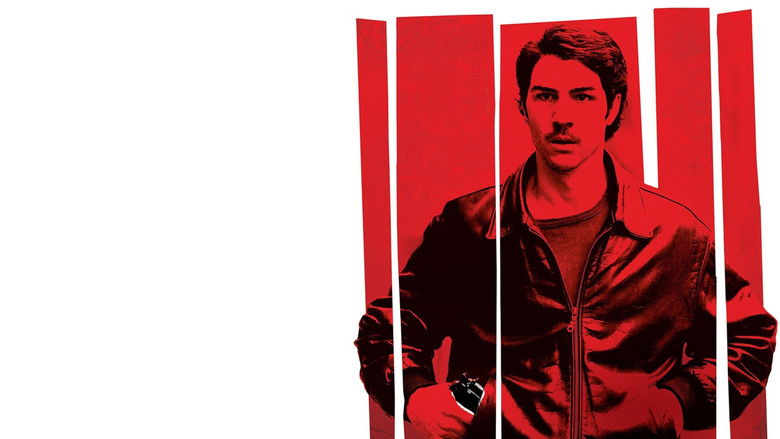
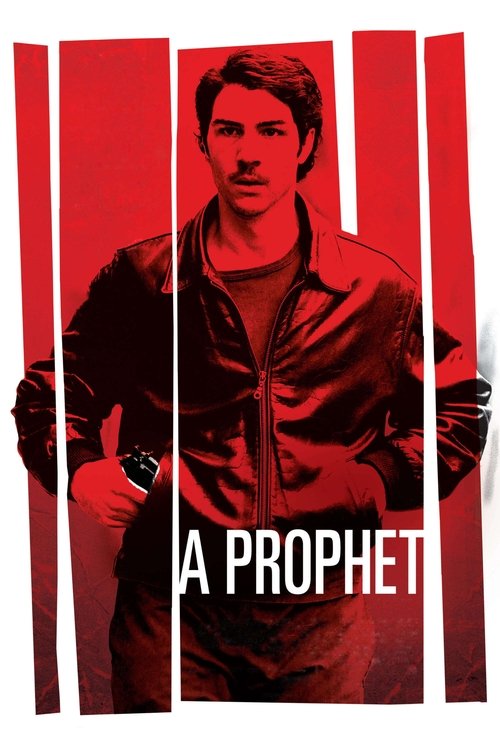
Malik El Djebena is nineteen, of Maghrebi descent, illiterate, and alone when the gates close behind him for a six-year sentence for attacking police officers. He has no family waiting, no gang to claim him, and no skills beyond street reflex. The prison is not a void but a functioning state, divided between a Corsican bloc that effectively runs the wings and the Muslim inmates who occupy the rest, and a man with no allegiance is simply raw material.
The Corsican boss César Luciani takes an interest in Malik, and the interest arrives as a threat: perform a service, or be killed. What follows is not redemption but education. Malik becomes the Corsicans' errand boy, their coffee-maker, their dog — and, quietly, their student. He learns to read. He learns, in secret, to understand Corsican. He watches how favours are traded, how prison leave becomes a corridor to the outside world, how a man in a cell can still move money and merchandise across a city.
Around him a second circle forms: Ryad, a friend who becomes an ally beyond the walls, and a network of contacts that Malik begins to shape into something of his own. Audiard films this as a patient, physical thriller — the tension of a body that must be useful to everybody at once — while the murdered inmate Reyeb returns to Malik's cell as a visitor rather than an accuser, blurring the line between a young man's guilt and something closer to second sight.

Comments (0)
No comments yet. Be the first to share your thoughts!