Skip to content
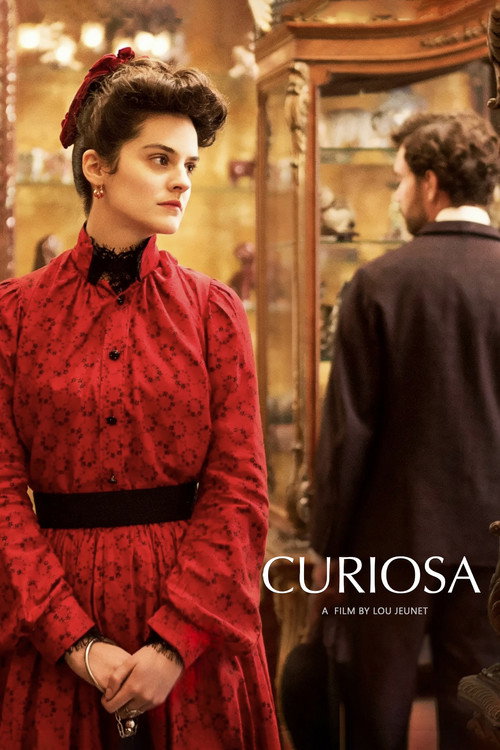
Curiosa
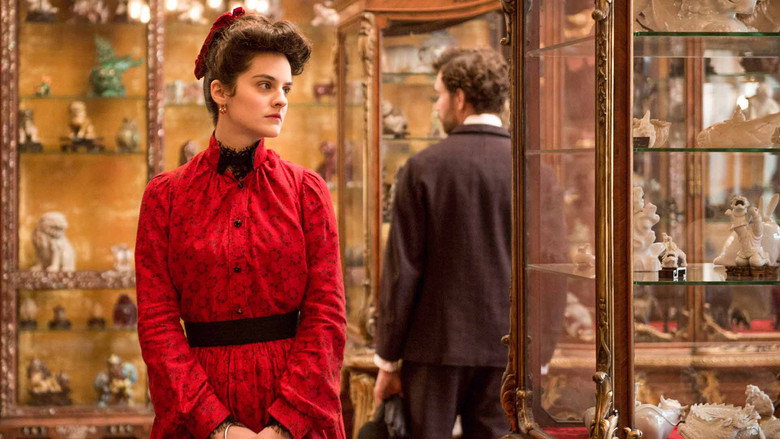
A sensual Belle Époque drama pulsating with transgressive obsession and artistic rebirth, Curiosa captures a caged bird transforming into the falcon, seizing the lens to claim her own unruly desire.
Curiosa
Curiosa
03 April 2019 France 107 min 5.8 (253)

Director: Lou Jeunet

Cast: Noémie Merlant, Niels Schneider, Benjamin Lavernhe, Camélia Jordana, Amira Casar

Drama History The Female Gaze & Erotic Emancipation Voyeurism, Photography, and the Power of the Lens Social Conventions vs. Libertine Desires Artistic Rivalry, Authorship, and the Muse Dynamic

Curiosa — Ending Explained

⚠️ Spoiler Analysis

To relieve her father’s bankruptcy, Marie marries Henri de Régnier despite being in love with Pierre Louÿs. When Pierre returns from Algeria with his mistress Zohra, Marie immediately engages in a passionate secret affair with him, posing for his forbidden erotic photography collection.

As their liaison continues, Pierre’s possessiveness turns cruel; in a climactic moment of manipulation, he deliberately maneuvers Henri into an adjacent room to overhear them making love. Rather than breaking under this humiliation, Marie asserts her autonomy: she takes control of Pierre’s darkroom and camera, takes lovers of her own, and begins publishing poetry under the masculine pseudonym Gérard d'Houville.

Marie becomes pregnant with Pierre’s child, giving birth to a son named Pierre ('Tigre'). Henri, fully aware of the truth, accepts the child as his legal heir to avoid public scandal and maintain their household. By the conclusion, Pierre finds himself isolated and physically deteriorating, while Marie emerges as an accomplished, published literary figure who successfully maintains both her social marriage and her personal creative freedom, having outgrown her former mentor.

Alternative Interpretations

The film can be analyzed through several distinct thematic frameworks:

  • Feminist Empowerment Reading: Marie transforms from a passive nude muse into an active photographer and writer, proving that female agency can be forged through the reclamation of sexual desire and creative tools.
  • Tragic Complicity / Bourgeois Accommodation: Marie never completely dismantles her gilded cage; she relies on her cuckolded husband's wealth and name to maintain societal standing while engaging in secret transgressions, illustrating the limits of upper-class rebellion.
  • Decadent Aestheticism Reading: The characters prioritize aesthetic artifice over authentic human connection, turning their bodies, affairs, and betrayals into theatrical exercises for art and literature.

Explore More About This Movie

Dive deeper into specific aspects of the movie with our detailed analysis pages

Similar Movies