
Me Before You
"Live boldly."
Overview
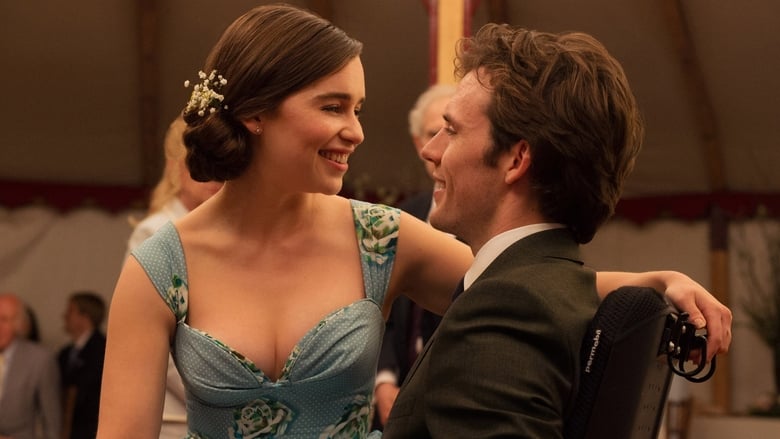
"Me Before You" tells the story of Louisa "Lou" Clark, a cheerful but unambitious young woman from a small English town who is hired as a caregiver for Will Traynor, a wealthy and successful man whose life was shattered by a motorcycle accident that left him a quadriplegic. Previously adventurous and outgoing, Will has become cynical, moody, and has lost his will to live. Lou, with her quirky wardrobe and relentlessly positive attitude, is tasked by Will's mother to lift his spirits.
Initially, their relationship is fraught with tension as Will's bitterness clashes with Lou's bubbly nature. However, she refuses to be pushed away, and gradually, her persistence and genuine care begin to break through his hardened exterior. They form an unlikely bond, and Lou makes it her mission to show Will that life is still worth living by planning a series of adventures. As their feelings for each other deepen, Lou discovers the true reason for her six-month contract: Will has given his parents six months before he intends to end his life through assisted suicide, unable to reconcile with his disability.
Core Meaning
The core meaning of "Me Before You" revolves around the complex interplay of love, life, and individual autonomy. Director Thea Sharrock sought to explore the profound question of what makes a life worth living, not by passing judgment, but by presenting a deeply personal story. The film's central message is twofold: it champions the idea of living life to the fullest and pushing beyond one's comfort zone, as embodied by Will's encouragement of Lou. Simultaneously, it delves into the controversial and sensitive theme of the right to choose, asserting that love, while transformative, cannot conquer all obstacles or change a person's deeply held convictions about their own quality of life. It is a narrative about how two people can irrevocably change each other, even if their journey together has an end.
Thematic DNA
Love and Sacrifice
The central romance between Lou and Will is the film's emotional core. Their love is transformative; Lou's optimism brings light back into Will's life, while he pushes her to see her own potential and live a bigger life. However, this love is tested by Will's ultimate decision. He believes that letting Lou go is a form of love, as it frees her from a future he sees as limiting. Lou, in turn, faces the ultimate sacrifice of respecting his wishes, even though it breaks her heart, choosing to be with him in his final moments as an act of profound love.
Quality of Life vs. Sanctity of Life
The film's most controversial theme is its exploration of assisted suicide. Will, who lived a life of adventure and success, cannot accept the severe limitations and dependency of his quadriplegia. He believes his quality of life is gone, leading him to choose a dignified end. This puts him in direct conflict with Lou and his family, who believe his life still holds immense value. The film doesn't offer an easy answer but presents Will's choice as a deeply personal one about autonomy, prompting a wider debate about what constitutes a life worth living.
Personal Growth and Self-Actualization
A major theme is Lou's journey of self-discovery. Initially, she is content with her small, ordinary life, with few ambitions beyond her village. Meeting Will acts as a catalyst for profound change. He challenges her to 'live boldly,' to widen her horizons, and to pursue her potential. Through their experiences, and with the financial independence he leaves her, Lou transforms from a girl with a 'small life' into a confident woman ready to explore the world, fulfilling the potential Will saw in her.
Social Class and Privilege
The film subtly highlights the contrast between Lou's working-class background and the immense wealth of the Traynor family. Lou takes the job out of financial necessity to support her family. Will's family lives in a castle, and his financial resources allow them to provide him with the best care and experiences, such as the trip to Mauritius. Will uses his wealth to give Lou's father a job and ultimately leaves her a significant inheritance, which is the key that unlocks her future possibilities. This underscores how opportunity and choice can be intrinsically linked to economic status.
Character Analysis
Louisa 'Lou' Clark
Emilia Clarke
Motivation
Initially, Lou's motivation is purely financial; she needs the job to support her struggling family. This quickly evolves into a deep, genuine desire to make Will happy and, upon learning of his plan, to convince him that his life is still worth living. Ultimately, her motivation becomes love and the desire to honor his final wish for her to 'live boldly'.
Character Arc
Lou begins as an unassuming, quirky young woman with few ambitions, content with her small-town life and stuck in a stagnant relationship. Taking the job as Will's caregiver forces her out of her comfort zone. Through Will's influence, she discovers her own potential and a desire for a bigger life. She evolves from a caregiver into an adventurer, learning to challenge herself. By the end, shaped by her love for and loss of Will, she is a more confident, independent woman ready to embrace the world.
Will Traynor
Sam Claflin
Motivation
Will's primary motivation is to regain control and autonomy over his life, which he feels his disability has stolen from him. This manifests in his steadfast decision to pursue assisted suicide. After meeting Lou, a secondary motivation emerges: to enrich her life and push her to realize her full potential, which becomes his final act of love and purpose.
Character Arc
Will starts as a deeply bitter and cynical man, trapped by his quadriplegia and grieving the loss of his adventurous, successful life. He is sarcastic and closed-off, pushing everyone away. Lou's persistence and vibrant personality gradually break through his defenses, reawakening his ability to feel joy and love. While he falls in love with Lou, his core conviction about not wanting to live a disabled life remains unchanged. His arc is not about changing his mind, but about opening his heart one last time and finding a new purpose in pushing Lou to live the life he no longer can.
Camilla Traynor
Janet McTeer
Motivation
Her motivation is entirely driven by her son. Initially, she wants to find a way to make Will want to live again. When she realizes that is not possible, her motivation shifts to honoring the six-month agreement she made with him, while still holding onto a sliver of hope that he might change his mind.
Character Arc
Camilla is a formal and somewhat stern woman who is struggling with the immense pain of her son's condition and his decision to end his life. She hires Lou out of a desperate hope that she can change Will's mind. Throughout the film, her composure cracks, revealing her deep love and anguish. Her arc is one of reluctant acceptance, torn between her maternal desire for her son to live and the painful understanding that she must respect his final wish.
Patrick
Matthew Lewis
Motivation
Patrick is motivated by his personal fitness goals and maintaining the comfortable, predictable routine of his relationship with Lou. He is resistant to change and feels threatened by Will's intellectual and emotional connection with Lou, which he cannot compete with.
Character Arc
Patrick is Lou's long-term boyfriend, a personal trainer obsessed with fitness. He serves as a foil to Will. While Patrick is physically active, he is emotionally distant and fails to understand or support Lou's personal growth. His arc is a flat one; he remains self-absorbed, and his jealousy over Lou's bond with Will leads to their inevitable breakup, highlighting their fundamental incompatibility.
Symbols & Motifs
Bumblebee Tights
The bumblebee tights symbolize Lou's quirky, non-conformist personality and her initial childlike innocence. They represent the vibrant, unique spirit that she brings into Will's life. When Will gifts her a new pair for her birthday, it signifies his acceptance and love for her exactly as she is. Her wearing them proudly at the end shows she has integrated Will's lesson to 'live boldly' without losing her core self.
Lou mentions that she had a beloved pair of these tights as a child. Will remembers this and buys them for her birthday. In the final scene in Paris, she is seen wearing a pair, symbolizing her journey and his lasting impact on her.
The Castle
The Traynor family's castle symbolizes both the vast difference in social class between Lou and Will and the gilded cage of Will's existence. For Will, it's a home he can no longer fully experience, representing his lost freedom. For Lou, it's initially an intimidating symbol of a world she doesn't belong to. As they grow closer, the castle becomes the backdrop for their shared history, transforming from a place of confinement to a space where their love blossomed.
The castle is the primary setting for the film, where Lou works and where most of her interactions with Will take place. It is a constant visual reminder of Will's wealth and privileged past.
Paris
Paris symbolizes the life of adventure, culture, and experience that Will once lived and desperately wants for Lou. It represents a world beyond their small town—a world of possibilities. For Will, it's a cherished memory he can't return to, but for Lou, it becomes her future. It is the physical embodiment of his final wish for her to 'live well'.
Will often talks about his time in Paris. In his final letter to Lou, he encourages her to go there and leaves her the money to do so. The film's final scene shows Lou in a Parisian café, reading his letter and starting her new life.
The Red Dress
The red dress symbolizes confidence, transformation, and a pivotal moment in Lou and Will's relationship. It is a departure from Lou's usual quirky attire and marks a step into a more sophisticated world that Will introduces her to. Will's simple desire 'to be a man who has been to a concert with a girl in a red dress' encapsulates his longing for normalcy and romantic connection, making the dress a powerful symbol of their deepening love and the life they could have had.
Lou wears the striking red dress for their outing to the classical music concert. The scene is a romantic high point, where they experience a moment of profound connection and shared joy.
Memorable Quotes
You only get one life. It's actually your duty to live it as fully as possible.
— Will Traynor
Context:
Will says this to Lou as he criticizes her lack of ambition and her contentment with staying in their small town forever. It's a key moment where he transitions from a patient to a mentor, challenging her perspective on her own life.
Meaning:
This is the central philosophy of the film. Will imparts this wisdom to Lou, urging her to break free from her self-imposed limitations and embrace every opportunity. It's poignant and ironic, as he is arguing for a fullness of life that he feels is no longer accessible to him, and it becomes Lou's guiding principle after his death.
Just live well. Just live.
— Will Traynor
Context:
These are the closing words of the letter Will leaves for Lou, which she reads in a café in Paris. It's his parting gift and blessing, encouraging her to move forward and live a full, happy life.
Meaning:
This is Will's final, loving command to Lou. It is the culmination of his love for her—a selfless wish for her happiness, even in his absence. It encapsulates the film's message about embracing life, even in the face of immense grief, and serves as a poignant and hopeful conclusion to their story.
You are scored on my heart, Clark. You were from the first day you walked in with your sweet smile and your ridiculous clothes.
— Will Traynor
Context:
This is part of the letter Will leaves for Lou, which she reads at the end of the film. He expresses the depth of his feelings and how she changed his life, even if she couldn't change his mind.
Meaning:
This quote is a beautiful and heartfelt declaration of Will's love for Lou. It signifies the profound, permanent impact she has had on him. Despite his decision, he makes it clear that their time together was not insignificant; it was the most important part of his final months, leaving an indelible mark on him.
I don't want you to miss all the things that someone else could give you.
— Will Traynor
Context:
Will says this to Lou during their trip to Mauritius, after she confesses her love for him and he tells her that he is still going through with his plan for assisted suicide. It's his explanation for why he can't be with her in the long run.
Meaning:
This line reveals a key part of Will's reasoning for ending his life. It's not just about his own suffering, but also a selfless, albeit controversial, act of love for Lou. He believes that staying with him would limit her life and experiences, and he refuses to let that happen, highlighting the complexity of his decision.
Philosophical Questions
What defines a 'life worth living'?
The film places this question at its very core. It presents two conflicting viewpoints: Lou's, which sees value, love, and possibility in Will's life despite his physical limitations, and Will's, which defines a worthwhile life by the standards of his past self—full of physical adventure, independence, and achievement. The narrative doesn't declare a winner. Instead, it explores the subjective nature of this question, suggesting that what constitutes a fulfilling life is a deeply personal and individual assessment. It forces the audience to confront their own beliefs about quality of life versus the intrinsic value of life itself.
Can love conquer all, and should it be expected to?
"Me Before You" directly challenges the classic romantic trope that love can overcome any obstacle. Lou believes her love can save Will and change his mind, representing the idealistic view. However, the film ultimately concludes that some things, like Will's profound personal suffering and unshakeable decision, are beyond love's power to 'fix'. It presents a more sobering perspective: love can bring immense joy, comfort, and meaning, but it cannot solve every problem or erase an individual's fundamental convictions about their own life and body.
To what extent does a person have the right to autonomy over their own life and death?
The film is a narrative exploration of the right to die and bodily autonomy. Will's decision to pursue assisted suicide is met with grief and resistance from his loved ones, who feel he is giving up. Yet, the film portrays his choice as rational and long-considered, not an impulsive act. By having Lou ultimately respect his decision and be with him at the end, the story leans into the philosophical stance that, in the end, individuals have the ultimate right to make decisions about their own lives, even if those decisions cause pain to others. It forces the audience to consider the ethical complexities of love, duty, and personal freedom.
Alternative Interpretations
While the dominant interpretation of the film is a tragic romance that explores controversial themes, there are other ways to view its narrative. One alternative reading focuses less on the disability aspect and more on it being a story about profound personal autonomy. From this perspective, Will's decision is not a rejection of life with disability, but the ultimate assertion of control over his own destiny. Having lived a life defined by his own choices, he refuses to live a life where he feels powerless, and his final act is one of self-determination, which he believes is his right.
Another interpretation views the film primarily as a coming-of-age story for Louisa Clark. In this reading, Will Traynor acts as a tragic but necessary catalyst for Lou's transformation. His purpose in the narrative is to awaken her to her own potential and break her out of her self-imposed shell. His death, while heartbreaking, is the final push she needs to truly start living for herself. The story becomes less about his tragedy and more about her journey, with the inheritance he leaves her serving as a literal and metaphorical key to her new life.
A more critical interpretation suggests the film's message is inadvertently classist, arguing that Will's suffering is framed in the context of his lost privilege. His despair is not just about paralysis, but about no longer being the 'Master of the Universe' he once was. His solution—to give Lou the financial means to 'live boldly'—can be seen as reinforcing the idea that true freedom and happiness are attainable only through wealth, subtly undermining the theme that love and experience are what truly matter.
Cultural Impact
Upon its release in 2016, "Me Before You" achieved significant box office success, grossing over $208 million worldwide against a $20 million budget. However, its cultural impact is defined by the intense controversy it generated, particularly within the disability rights community. The film's central plot point—a disabled man choosing assisted suicide despite finding love—sparked widespread protests and criticism. Activists argued that the film perpetuates a harmful narrative that life with a severe disability is a fate worse than death, and that disabled individuals are burdens on their loved ones. The film's promotional hashtag, #LiveBoldly, was co-opted by critics who used it to protest the idea that Will's choice was not bold living, but a tragic end.
Critics pointed out the film's reliance on damaging disability stereotypes, such as casting an able-bodied actor in the lead role and portraying disability primarily as a tragedy to evoke emotion from non-disabled audiences. The controversy elevated a much-needed public conversation about disability representation in Hollywood, with many activists highlighting that films rarely portray disabled characters as living full, happy lives. Author Jojo Moyes and the filmmakers defended the story as being about one character's specific choice and not a universal statement on disability. Despite the backlash, the film was popular with audiences, receiving an "A" CinemaScore, indicating that the emotional romance resonated strongly with many viewers, even as it fueled a critical debate on representation and ableism that continues to be relevant in pop culture.
Audience Reception
Audience reception for "Me Before You" was largely positive, standing in stark contrast to the mixed critical reviews and the controversy from disability advocates. The film received a strong grade of "A" from audiences polled by CinemaScore, indicating high viewer satisfaction. Many viewers connected deeply with the central romance, praising the palpable chemistry between Emilia Clarke and Sam Claflin. Audiences found the film to be a powerful and emotional tearjerker, appreciating its heartfelt story and engaging performances. For many, the film was seen as a touching love story that raised difficult but important questions. However, the primary point of criticism from some audience members mirrored the wider controversy—the ending was seen as tragic and depressing, with some viewers feeling the message was that life with a disability is not worth living. This created a divisive response, with some viewers finding the ending a heartbreaking but logical conclusion to Will's personal journey, while others found it deeply problematic and unsatisfying.
Interesting Facts
- The film is based on the bestselling 2012 novel of the same name by Jojo Moyes, who also wrote the screenplay.
- This was the directorial debut for Thea Sharrock, a renowned British theatre director.
- Sam Claflin, who played Will Traynor, described the role as the most physically challenging of his career.
- Emilia Clarke was eager to audition for the role of Lou after reading the novel.
- The film was shot in various historic locations across the UK, including Pembroke Castle in Wales.
- The distinctive, quirky shoes Lou wears are from the brand Irregular Choice, which the costume designer felt perfectly encapsulated the character's personality.
- The author, Jojo Moyes, was inspired to write the story after hearing a real-life news story about a young quadriplegic man who persuaded his parents to take him for an assisted suicide.
- Matthew Lewis, who plays Patrick, is widely known for his role as Neville Longbottom in the Harry Potter film series.
⚠️ Spoiler Analysis
Click to reveal detailed analysis with spoilers
Frequently Asked Questions
Explore More About This Movie
Dive deeper into specific aspects of the movie with our detailed analysis pages
Comments (0)
No comments yet. Be the first to share your thoughts!