My Dress-Up Darling
A heartfelt slice-of-life romance where the delicate artistry of traditional doll-making collides with the vibrant, expressive world of cosplay, creating a beautiful tapestry of burgeoning love and self-acceptance.
My Dress-Up Darling

My Dress-Up Darling

その着せ替え人形は恋をする

09 January 2022 — 21 September 2025 Japan 1 season 24 episode Returning Series ⭐ 8.5 (810)
Cast: Hina Suguta, Shoya Ishige, Atsushi Ono, Larissa Tago Takeda, Misako Tomioka
Drama Animation Comedy
Passion and Craftsmanship Self-Acceptance and Overcoming Insecurity Challenging Social and Gender Norms The Nature of Attraction and Intimacy

Overview

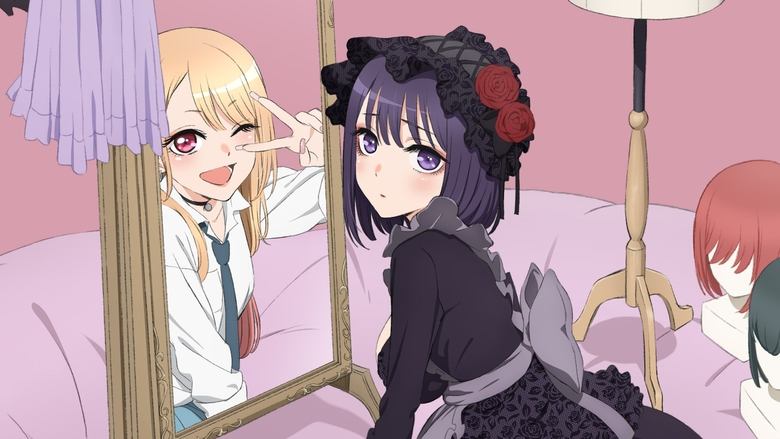
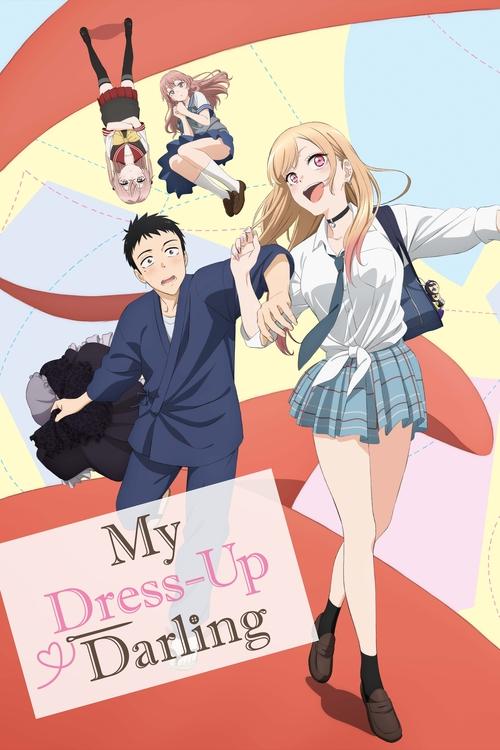
"My Dress-Up Darling" follows Wakana Gojo, a reclusive high school student and aspiring Hina doll craftsman, whose passion has left him socially isolated due to a childhood trauma. His solitary life is turned upside down when he encounters his classmate Marin Kitagawa, a beautiful, popular, and energetic girl who is secretly a passionate otaku with a dream of cosplaying her favorite characters.

Discovering Gojo's exceptional sewing skills, Marin enlists his help to create her costumes. Their unlikely partnership blossoms into a deep friendship as Gojo is drawn out of his shell by Marin's infectious enthusiasm and unwavering acceptance of his hobby. Together, they dive headfirst into the world of cosplay, tackling intricate designs, stressful deadlines, and collaborative photoshoots. Through their shared projects, Gojo begins to find confidence and friendship, while Marin develops deeper feelings for the earnest and dedicated craftsman who is helping make her dreams a reality.
Core Meaning

The core message of "My Dress-Up Darling" is the profound joy and connection found in sharing one's passions without judgment. It champions the idea that hobbies, no matter how niche or unconventional, should be a source of pride, not shame. The series beautifully illustrates that genuine enthusiasm is infectious and can bridge the gap between seemingly opposite worlds and personalities. At its heart, the story is a celebration of self-acceptance, the courage to be authentic, and the transformative power of finding someone who sees and values the real you.

Thematic DNA

Passion and Craftsmanship 35%
Self-Acceptance and Overcoming Insecurity 30%
Challenging Social and Gender Norms 20%
The Nature of Attraction and Intimacy 15%

Passion and Craftsmanship

The series places immense value on the dedication and artistry behind a craft. This is shown through Wakana Gojo's meticulous work on Hina dolls, a skill he has honed for years, and is then translated to the detailed process of creating cosplay costumes. The anime takes time to show the research, material selection, sewing, and problem-solving involved, treating cosplay not as a frivolous hobby but as a serious art form requiring skill and passion. This theme highlights that the joy is as much in the creation process as it is in the final product.

Self-Acceptance and Overcoming Insecurity

Wakana's primary character arc revolves around overcoming the social trauma that made him hide his love for dolls. Marin's non-judgmental and enthusiastic reaction to his hobby is the catalyst for his journey toward self-acceptance. He learns that his skills are valuable and that his passions don't make him strange. The series posits that embracing one's true self is the key to forming genuine connections and finding happiness.

Challenging Social and Gender Norms

The show directly confronts the stereotype that boys shouldn't be interested in dolls or sewing. Wakana's childhood friend shamed him for his interests, leading to his isolation. Marin, conversely, embodies the complete rejection of such norms. She believes people should be free to love what they love, regardless of gender or social standing, a message that is central to the series' philosophy. Her own interests, which range from magical girl anime to erotic video games, defy easy categorization.

The Nature of Attraction and Intimacy

The budding romance between Wakana and Marin is built on mutual respect for each other's passions. Marin is attracted to Wakana's dedication and talent, while Wakana is drawn to Marin's kindness and vibrant energy. Their intimacy grows not through typical romantic tropes, but through the shared vulnerability and collaboration of their cosplay projects, such as the charged moments of taking measurements or seeing a completed costume for the first time. The series explores a relationship founded on shared creative goals and genuine admiration.

Character Analysis

Wakana Gojo

Shoya Ishige

Archetype: The Artisan/The Introvert
Key Trait: Earnest

Motivation

Initially, his sole motivation is to become a master Hina doll craftsman like his grandfather. After meeting Marin, his motivation expands to include making her cosplay dreams a reality. He is driven by a powerful desire to see her happy and to create the most perfect costume possible, pouring all of his dedication and skill into each project.

Character Arc

In Season 1, Wakana begins as a reclusive and gentle giant, haunted by a past rejection that made him hide his passion for Hina dolls. His world is small and centered entirely on his craft. Meeting Marin acts as a catalyst for immense growth. Through the process of making cosplay, he is forced into social situations, learns to share his talent, and for the first time, makes a friend who values him for who he is. By the end of the season, he is more confident, has found a new application for his skills, and has begun to open up to the world, though he remains endearingly shy and oblivious to Marin's romantic feelings.

Marin Kitagawa

Hina Suguta

Archetype: The Enthusiast/The Sun
Key Trait: Passionate

Motivation

Marin's primary motivation is to express her love for her favorite characters through cosplay. She is driven by pure, unadulterated passion for her hobbies. As the series progresses, an equally strong motivation emerges: to spend time with Wakana and make him happy, as she finds herself falling in love with his sincere and dedicated nature.

Character Arc

Marin starts the series as a seemingly one-dimensional 'gyaru'—popular, beautiful, and energetic. However, her character is quickly revealed to be deeply passionate, kind, and completely non-judgmental. Her arc in the first season is one of deepening emotions. While she remains her cheerful, outgoing self, her interactions with Wakana lead her to discover a profound respect and eventually romantic love for him. She moves from simply needing his skills to genuinely cherishing his company and character. Her confession to a sleeping Wakana in the final episode marks the culmination of this emotional journey.

Sajuna Inui (JuJu)

Atsumi Tanezaki

Archetype: The Mentor/The Rival
Key Trait: Dedicated

Motivation

JuJu is motivated by the desire to perfectly embody the characters she cosplays. She has a strong artistic vision and seeks to create high-quality, impactful photoshoots. Her dedication is a source of inspiration for both Marin and Wakana.

Character Arc

JuJu is introduced as a famous and highly dedicated cosplayer whom Marin idolizes. Initially, she appears aloof and intensely serious about her craft, acting as a professional benchmark for Wakana and Marin. Her arc involves revealing the person behind the persona. We learn about her close relationship with her younger sister, Shinju, and see her open up to the idea of group cosplay, eventually respecting Wakana's skill and Marin's enthusiasm. She helps broaden their understanding of the cosplay world.

Shinju Inui

Hina Yomiya

Archetype: The Timid Supporter
Key Trait: Supportive

Motivation

Shinju is motivated by her deep admiration and love for her older sister. She dedicates herself to being the best photographer she can be to support JuJu's cosplay. Her secret motivation is her own dream of participating directly in the hobby she loves watching so much.

Character Arc

Shinju is JuJu's shy, unassuming younger sister and photographer. Despite her introverted nature and insecurities about her height and figure, she harbors her own desire to cosplay. Her arc is about finding the courage to step out from behind the camera and try cosplaying herself. With Wakana's encouragement and help, she cosplays a male character, a transformative moment that boosts her self-confidence and allows her to share in her sister's hobby in a new way.

Symbols & Motifs

Hina Dolls

Meaning:

The Hina dolls symbolize tradition, meticulous artistry, and Wakana's deep-seated passion. They also represent his isolation, as his love for them is what caused him to close himself off from others. His dream of becoming a master craftsman (kashira-shi) is his life's ambition, and his skill in making them is the bridge to his new life with Marin.

Context:

The dolls are present from the very first episode, established as the core of Wakana's identity. His grandfather's workshop is his sanctuary. The detailed process of painting their faces is a craft he strives to master, and this same attention to detail is what makes his cosplay outfits so extraordinary.

Cosplay Costumes

Meaning:

The costumes are symbols of transformation, self-expression, and passion. For Marin, they are a way to physically embody the characters she loves and admires. For Wakana, they become a new medium through which he can express his artistry and connect with another person. Each costume represents a new chapter in their relationship and a step forward in his personal growth.

Context:

Each cosplay project drives the plot of the first season, from the Shizuku-tan outfit from 'Slippery Girls 2' to the Black Lobelia costume for the cosplayer JuJu. The creation process for each costume is shown in detail, marking key moments of development for the characters and their bond.

Wakana's Sewing Machine

Meaning:

The sewing machine is a tool that links Wakana's traditional world with Marin's modern one. It is the practical instrument that allows their collaboration to happen. When his home machine breaks and he uses the one in the school's home economics room, it leads to his fateful encounter with Marin, symbolizing the transition from his isolated hobby to a shared one.

Context:

The sewing machine is featured prominently in early episodes. The initial meeting between Wakana and Marin happens in the school's home-ec room because his machine at home broke. The late-night scenes of him working tirelessly on the machine to finish Marin's first costume underscore his dedication.

Memorable Quotes

好きなものを好きって言えないなんて…そんなの、絶対につまらないよ

— Marin Kitagawa

Context:

This is said in Season 1, Episode 2, "Wanna Hurry Up, and Do It?" Marin says this to Wakana when he is hesitant about her wanting to cosplay a character from an erotic game. Her statement dismisses his concerns about the source material being judged, focusing instead on the purity of liking something.

Meaning:

English: "If you can't say you like the things you like... that's just no fun at all." This quote encapsulates the core philosophy of the entire series. It's Marin's powerful assertion that one should never be ashamed of their passions, and it's this belief that helps Wakana begin to heal from his past trauma.

ごじょー君…好きだよ

— Marin Kitagawa

Context:

This line is spoken at the very end of Season 1, Episode 12, "My Dress-Up Darling." After they attend a summer festival, Marin calls Wakana. As he falls asleep on the phone, she quietly confesses her love, though he doesn't hear it.

Meaning:

English: "Gojo-kun... I love you." This is the culmination of Marin's emotional arc in the first season. It's a moment of pure, unguarded vulnerability that confirms the depth of her feelings for Wakana, transitioning their relationship from a simple friendship to a budding romance, at least from her side.

Episode Highlights

Someone Who Lives in the Exact Opposite World as Me

S1E1

This episode masterfully establishes the two protagonists' contrasting worlds. It introduces Wakana Gojo's passion for Hina dolls and the childhood trauma that led to his isolation. The dynamic entrance of Marin Kitagawa, who literally crashes into his desk, sets the stage for their transformative relationship when she later discovers his sewing skills in the home-ec room.

Significance:

The premiere is crucial for setting up the central premise and the core emotional conflict of the series. It establishes the characters' personalities and motivations and ends with the inciting incident: Marin asking Wakana to help with her cosplay, bridging their two worlds for the first time.

It's Probably Because This Is the Best Boob Bag Here

S1E5

After Wakana pulls an all-nighter to finish the Shizuku-tan costume, Marin tries it on and is overcome with pure joy. This episode features their first official cosplay event. Wakana, normally terrified of crowds, witnesses Marin's happiness and confidence, and for the first time, feels an immense sense of pride and fulfillment in his work being appreciated.

Significance:

This episode is a major turning point for Wakana's character. Seeing the result of his hard work bring so much joy to someone else begins to validate his hobby in his own eyes. It solidifies their partnership and marks the successful completion of their first monumental project together.

Backlighting Is the Best

S1E8

This episode introduces Marin and Wakana to JuJu's younger sister, Shinju Inui, a shy girl who serves as JuJu's photographer. While scouting a location for a group cosplay, Shinju reveals her own desire to cosplay, and Wakana offers his help, leading to a heartwarming and transformative experience for her.

Significance:

The episode expands the central duo's social circle and further develops the theme of sharing passions. It showcases Wakana's growing confidence and kindness as he encourages Shinju, and it highlights the supportive nature of the cosplay community they are building.

My Dress-Up Darling

S1E12

The season finale sees Marin and Wakana's bond deepen as they spend time together during summer vacation. The episode's climax occurs after they attend a summer festival and watch fireworks. Later that night, during a phone call, Marin quietly confesses "I love you" to Wakana after he has fallen asleep.

Significance:

This episode provides a heartfelt conclusion to the first season's arc. It solidifies the emotional stakes by confirming Marin's romantic feelings, creating anticipation for the future of their relationship. The unheard confession is a poignant and classic romance trope that perfectly encapsulates their dynamic: Marin's open heart and Wakana's gentle obliviousness.

Philosophical Questions

What is the relationship between passion and identity?

The series explores how our passions fundamentally shape who we are. For Wakana, his love for Hina dolls is his entire world, defining his skills, his isolation, and his values. For Marin, her fandoms are an integral part of her expressive personality. The show suggests that to deny one's passions is to deny a core part of one's identity. Wakana's journey is about learning to integrate his hidden passion into his social identity, thereby becoming a more whole and confident person.

Can true connection exist between people from 'opposite worlds'?

"My Dress-Up Darling" is built on this very question. Wakana is introverted, traditional, and socially invisible; Marin is extroverted, trendy, and the center of attention. The series argues that these superficial social labels are meaningless in the face of genuine, shared enthusiasm. Their connection is forged in the neutral territory of the home-ec room, based on mutual respect for each other's dedication. It posits that the deepest bonds are not based on similar social standing but on appreciating the passions that drive a person.

Alternative Interpretations

While the majority of viewers and critics interpret "My Dress-Up Darling" as a wholesome romance celebrating hobbies, a significant point of discussion revolves around its use of fan service. One perspective is that the fan service is contextual and serves the narrative—scenes involving revealing outfits or awkward measurements are inherent to the process of cosplay and are used to create comedic tension and highlight Wakana's shyness.

An alternative interpretation, however, is that the series leans too heavily into the male gaze, sexualizing its teenage female characters unnecessarily. Critics of this view argue that some scenes are uncomfortable and that Marin's character, while positive, is also designed as an idealized 'waifu' to appeal to a male demographic. This debate questions whether the show's positive messages about body positivity and self-expression are sometimes undermined by its visual presentation.

Cultural Impact

"My Dress-Up Darling" became a massive breakout hit of the 2022 anime season, earning widespread popularity both in Japan and internationally. Its success was recognized with nominations in multiple categories at the 7th Crunchyroll Anime Awards, including Best New Series and Best Romance.

The series had a significant impact on the cosplay community. It was praised for its respectful and detailed portrayal of the craft, inspiring many real-life cosplayers. The character of Marin Kitagawa, in particular, became a cultural phenomenon and a fan-favorite 'waifu,' leading to an explosion of fan art and cosplays of her. The show's success has been described as taking the niche hobby of cosplay to a global audience.

Critically, the anime was lauded for its high-quality animation by CloverWorks, its charming character dynamics, and its heartfelt story. While some critics pointed out the use of fan service, many argued it was often contextual to the plot (e.g., taking measurements for costumes) and didn't detract from the genuine sweetness of the central relationship. The series' legacy is its wholesome and positive exploration of hobbies and relationships, proving that a story about passion and acceptance can resonate with a huge audience.

Audience Reception

"My Dress-Up Darling" was met with overwhelmingly positive reception from audiences upon its release. It quickly became one of the most popular and highly-rated anime of its season. Fans praised the series for its endearing and wholesome central relationship, the charming and energetic personality of Marin Kitagawa, and the detailed, respectful depiction of cosplay craftsmanship. The chemistry between the two leads was a frequent point of acclaim, with many viewers finding their dynamic both funny and genuinely sweet.

The main point of criticism, echoed by some critics, was its use of fan service. Some viewers found the sexualization of the high school characters to be excessive or uncomfortable, which they felt detracted from the otherwise wholesome story. Despite this, the overall verdict from the audience was extremely favorable, with many eagerly anticipating the announced second season. The show's ability to blend romance, comedy, and a heartfelt message about hobbies resonated strongly with a wide audience.

Interesting Facts

  • The original manga author is Shinichi Fukuda. Before creating the series, Fukuda researched fan reactions and reviews of other works to understand what readers enjoyed, wanting to create a series that would bring people joy.
  • Anime director Keisuke Shinohara stated that he initially thought the story was just 'eye-candy for guys' but quickly came to appreciate the earnestness with which Wakana and Marin approached cosplay and their character growth.
  • The manga, which began serialization in January 2018, officially concluded in March 2025 after 115 chapters.
  • By May 2024, the manga had over 11 million copies in circulation, showcasing its massive popularity.
  • In an interview, director Keisuke Shinohara highlighted Marin Kitagawa as a unique character, noting that her assertiveness and respect for others made her particularly appealing and a type of heroine not often seen before.

⚠️ Spoiler Analysis

Click to reveal detailed analysis with spoilers

Frequently Asked Questions

Explore More About This Movie

Dive deeper into specific aspects of the movie with our detailed analysis pages

Comments (0)

Leave a comment

No comments yet. Be the first to share your thoughts!